

The Zinn Education Project stands in solidarity with those who have denounced Donald Trump’s racism, misogyny, xenophobia, and Islamophobia—as well as his ignorant and deadly proposals about the environment and climate change. We have been encouraged by the young people—in our classrooms and in the streets—who are living the maxim that “people make history.”
We include lessons—some highlighted below—that:
- Show how social movements have made important strides even during dark times.
- Help students explore other moments in history when elites have mobilized to roll back racial and economic progress.
- Highlight examples of “divide and conquer” politics.
- Help students explore aspects of Trump’s agenda—immigration, the environment, Muslims, civil liberties, the press, and economic inequality.
Civil rights organizer Ella Baker said, “We who believe in freedom cannot rest.” The role of teachers is crucial in this freedom struggle. Please check out the lessons and resources below.
JUMP TO: Strides Against All Odds • Roll Back Racial and Economic Progress • “Divide and Conquer” Politics • Environment • Civil Liberties • Immigration • Economic Inequality • Muslims • Press • U.S. Presidents
Lessons and Other Classroom Resources
Strides Against All Odds
Students can draw hope from stories of people organizing even under the most repressive conditions. Here are just a few of countless examples.
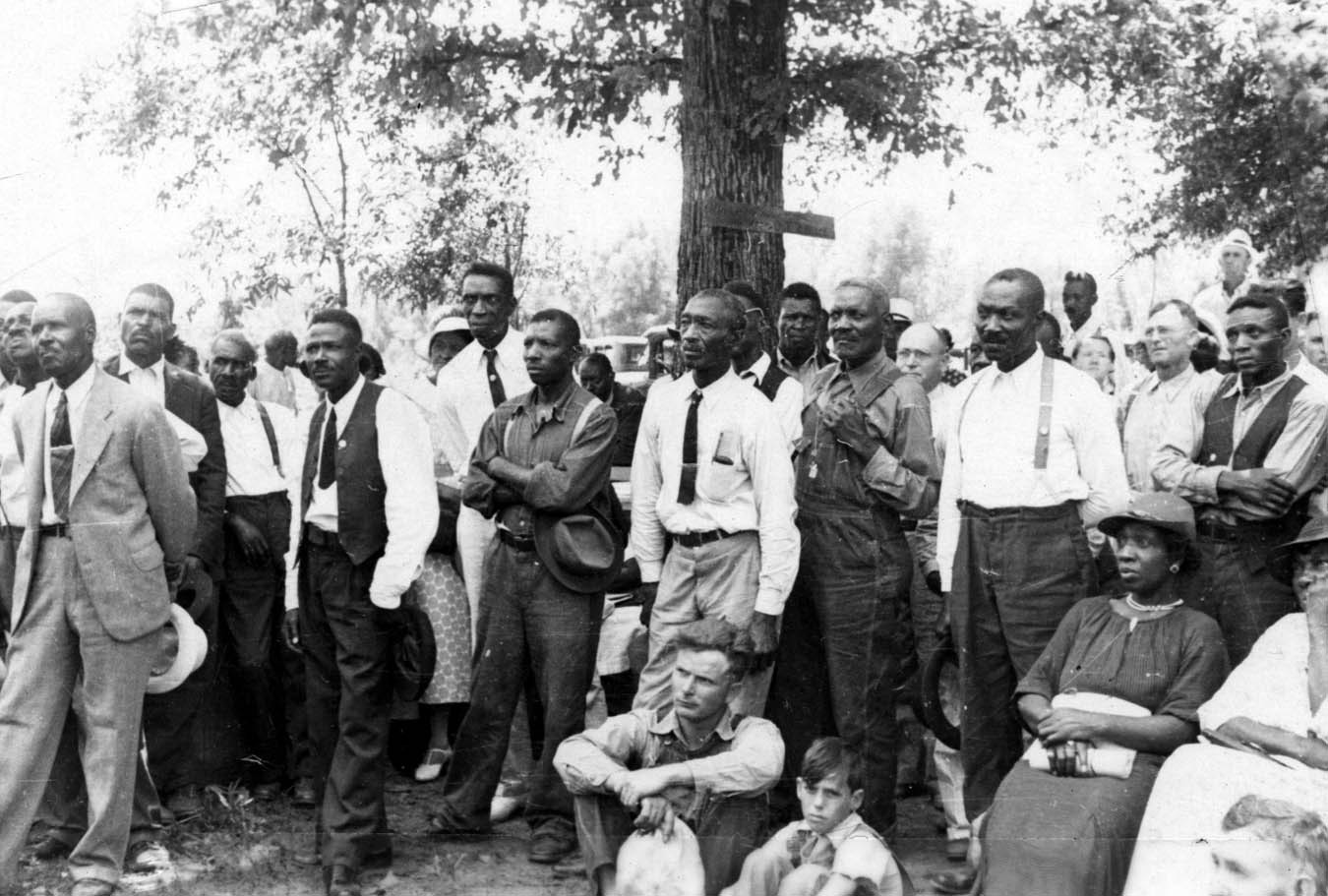 |
Southern Tenant Farmers’ Union: Black and White Unite?Role play on farm labor organizing, with Black and white tenant farmers creating a powerful alliance. By Bill Bigelow and Norm Diamond. Download. |
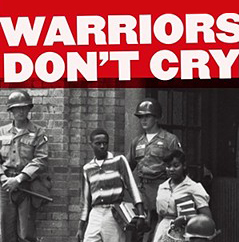 |
Warriors Don’t Cry: Connecting History, Literature, and Our LivesRole play and writing activities for language arts and social studies on the Little Rock Nine. By Linda Christensen. Download. |
 |
Teaching with the Black Panthers’ Ten Point ProgramA study of the Black Panther’s Ten Point Program to help students assess issues in their own communities. By Wayne Au. Download. |
 |
Women in Labor HistoryFrom championing better workplace conditions to cutting back the 12-hour day to demanding equal pay across racial lines, these are just a few of the women in the labor movement. Read more. |
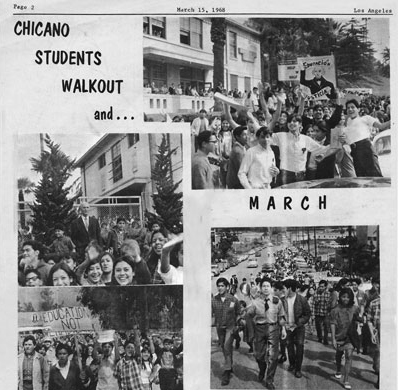 |
Pump Up the Blowouts: Reflections on the 40th Anniversary of the Chicano/a School BlowoutsReflections on teaching students about the 1968 walkouts by Chicano students in California. By Gilda L. Ochoa. Download article. |
 |
When We Fight We Win!: Twenty-First-Century Social Movements and the Activists That Are Transforming Our World21st century leaders and activists, sharing lessons of what makes and what hinders transformative social change. By Greg Jobin Leeds, Dey Hernandez Vazquez, and AgitArte. Learn more. |
Roll Back Racial and Economic Progress
While textbooks portray U.S. history as a steady march of progress, there have been frequent reversals. These resources highlight a few of the many times in U.S. history when advances made by people of color were rolled back. For example, the political and economic gains by African Americans during Reconstruction were met by brutal, terrorist attacks by white supremacists.
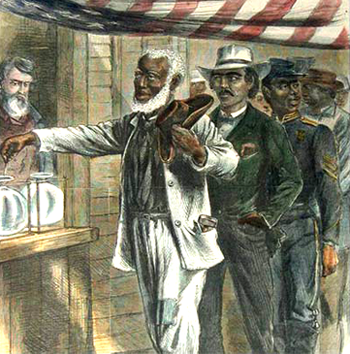 |
Reconstruction Era (1865-1877)After the Civil War, with the protection of the Thirteenth, Fourteenth, and Fifteenth Amendments to the Constitution and the Civil Rights Act of 1866, African Americans were allowed to vote, run for elected office, attend school, acquire land, seek employment, and use public accommodations. These Reconstruction Era advances ended with violent repression by white supremacists. Browse. |
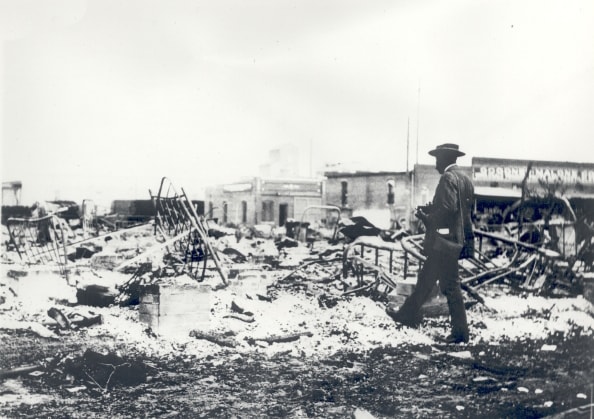 |
Burned Out of Homes and History: Unearthing the Silenced Voices of the Tulsa Race RiotThe thriving community known as Black Wall Street in Tulsa, Oklahoma, was burned to the ground in 1921. This lesson explores how what is known as the “Tulsa Race Riot” (more like a massacre) and many similar events in U.S. history led to patterns of displacement and wealth inequality today. By Linda Christensen. Download. |
 |
Ethnic Studies Banned in TucsonA highly successful Mexican American Studies program in Tucson, Arizona, was banned in 2011. Students and teachers organized to protect the program that demonstrated a dramatic increase in college enrollment by Mexican American students. The film Precious Knowledge documents this struggle. |
 |
Why We Should Teach About the FBI’s War on the Civil Rights MovementCOINTELPRO was a FBI campaign in the 1960s to infiltrate, disrupt, and destroy a wide range of activist groups, with a focus on the Civil Rights Movement, the Young Lords, the American Indian Movement, and the anti-war movement. By Ursula Wolfe-Rocca. Read. |
“Divide and Conquer” Politics
The easiest way to prevent organized demands for improved wages and working conditions is to create divisions. Here are three examples from U.S. history of how the strength of natural alliances among working people was undermined by orchestrated efforts by those in power.
 |
The Color LineA lesson on the countless colonial laws enacted to create division and inequality based on race. This helps students understand the origins of racism in the United States and who benefits. By Bill Bigelow. Download. |
 |
It’s a Mystery—White Workers Against Black WorkersStudents receive clues and discuss some of the factors that contributed to the intensification of racism in the 1920s. By Bill Bigelow and Norm Diamond. Download. |
 |
The Draft Riot MysteryStudents are invited to solve a mystery, using historical clues, about the real story of the New York City Draft Riots of 1863. By Bill Bigelow. Download. |
Issues on Trump’s Agenda
Trump’s agenda will impact every aspect of students’ lives, including those listed here.
Environment
 |
‘Don’t Take Our Voices Away’: A Role Play on the Indigenous Peoples’ Global Summit on Climate ChangeStudents to develop a list of demands to present to the rest of the world at a climate change meeting. By Julie Treick O’Neill and Tim Swinehart. Download. |
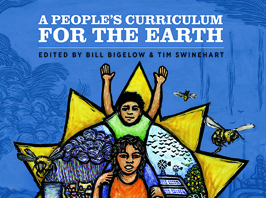 |
A People’s Curriculum for the Earth: Teaching Climate Change and the Environmental CrisisArticles, student readings, and teaching activities to understand climate change and imagine solutions. Edited by Bill Bigelow and Tim Swinehart. Learn more. |
Civil Liberties
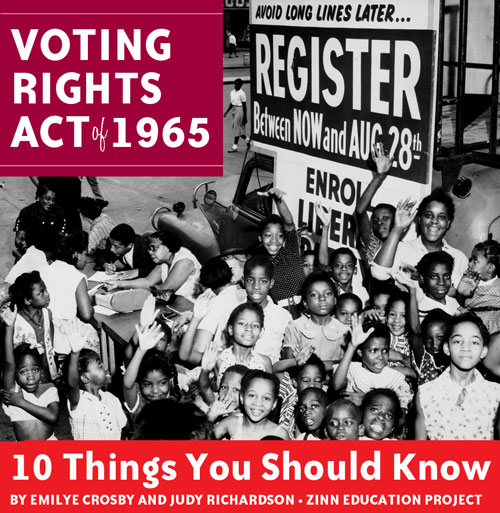 |
The Voting Rights Act: Ten Things You Should KnowKey points in the history of the 1965 Voting Rights Act missing from most textbooks. By Emilye Crosby and Judy Richardson. Read. |
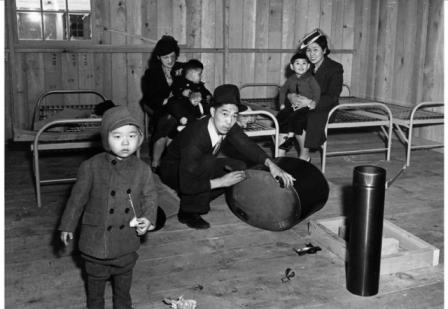 |
Learning About the Unfairgrounds: A 4th-Grade Teacher Introduces Her Students to Executive Order 9066Lessons on Japanese American internment during WWII. By Katie Baydo-Reed. Download |
>> More resources on Racism and Racial Identity
Immigration
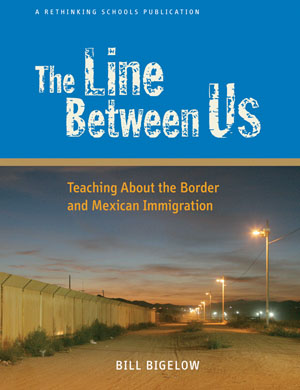 |
The Line Between Us: Teaching About the Border and Mexican ImmigrationLessons for teaching about the history of U.S.–Mexico relations and current border and immigration issues. By Bill Bigelow. Learn more. |
>> More resources on Immigration
Economic Inequality
 |
The Great Depression and the New DealPart I: What Caused the Great Depression? The Widget Boom Game Part II: Who Made the New Deal? The Economic Recovery Conference Role Play. By Adam Sanchez. Read more. |
>> More resources on Economics
Muslims
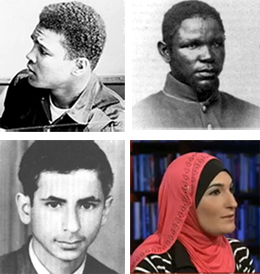 |
A People’s History of Muslims in the United StatesAlthough the dominant media—including our schools’ curriculum—perpetuate stereotypes, history shows Muslims in the Americas have fought for social justice since the 15th century. By Alison Kysia. Read. |
Press
 |
News for All the People: The Epic Story of Race and the American MediaThe history of media in the United States, through the lens of race. By Juan González and Joseph Torres. Learn more. |
Teaching about U.S. Presidents
Here are lessons on past U.S. presidents with relevance to today.
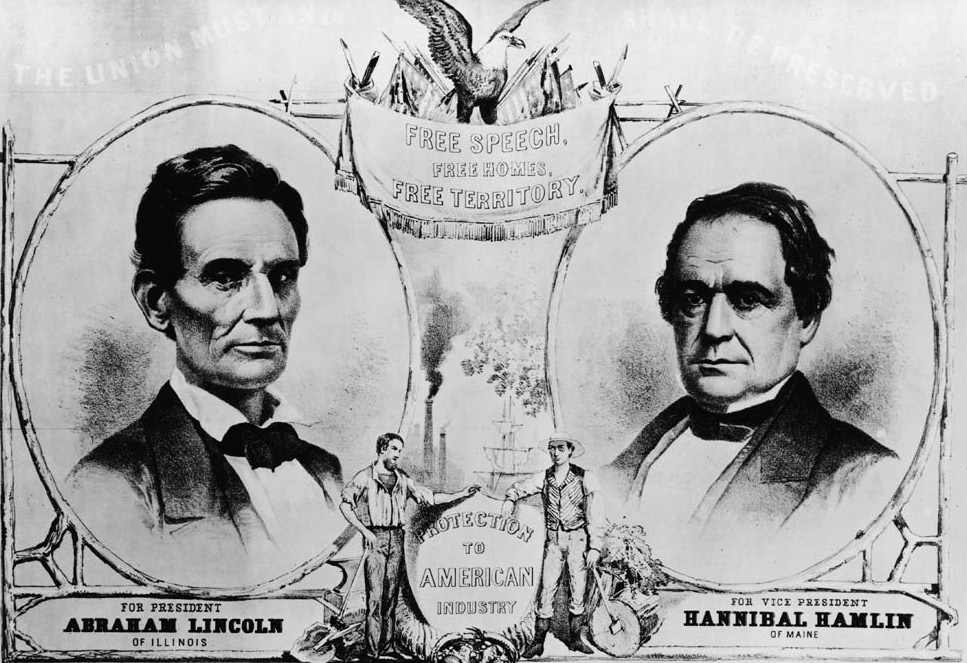 |
The Election of 1860 Role PlayRole play based on the election of 1860 allows students to explore the political debates of the time and the real reasons for the Civil War. By Bill Bigelow. Download. |
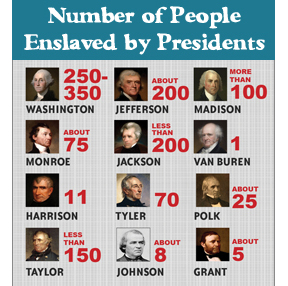 |
Missing from Presidents’ Day: The People They EnslavedThe central role of slavery in U.S. history is often missing in our textbooks, including its with relationship to U.S. presidents. By Clarence Lusane. Read. |
 |
Andrew Jackson Revisited“One of the greatest victories for the people of America since Andrew Jackson,” Rudy Giuliani, former mayor of New York City, said of Donald Trump’s success in the 2016 election. Read more. |
>> More resources on Presidents


Twitter
Google plus
LinkedIn