Black Indians: A Hidden Heritage
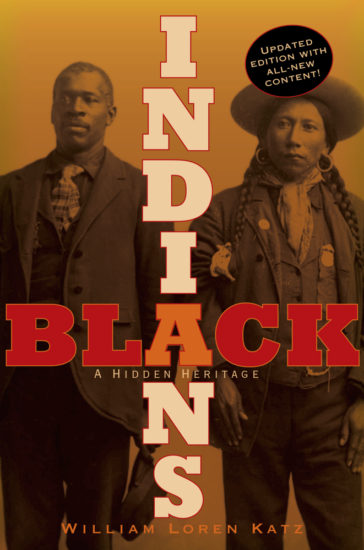
Book – Non-fiction. By William Loren Katz. 2012. 272 pages.
History book for ages 10 to adult that traces relations between Blacks and American Indians since the time of the conquest.
Order book online.
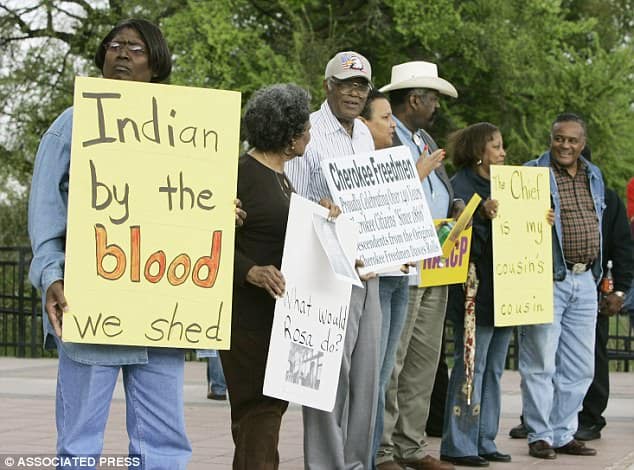
The expanded and updated edition of Black Indians: A Hidden Heritage brings the Native American and African American alliance that for four centuries challenged the European conquest and slavery into the 21st century with additional research and documentary and photographic evidence.
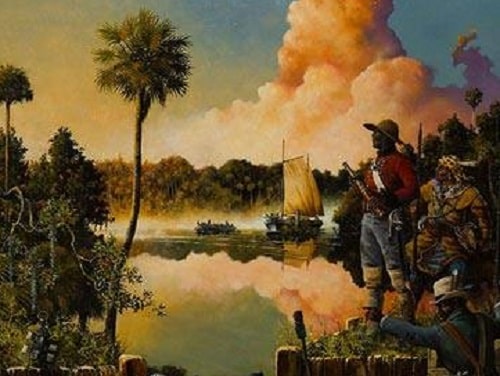
The new edition reveals the story of the African guides and translators of the colonial era who became valued contacts with Indigenous peoples, examines the African and Indian alliance known as the Pueblo revolt of 1680 that ended Spain’s rule of the southwest for a dozen years, introduduces Francisco Menendez and the 1738 Black Indian community that defended its liberty in Florida against British incursions, and describes the Lowry Gang in North Carolina that fought the Civil War Confederacy and then battled the KKK.
This edition also provides new information on how western African American pioneer women often took the lead in aiding Native Americans; the ironic role of the Black “Buffalo Soldiers” sent to fight the great Native American nations in the West, and those who refused.

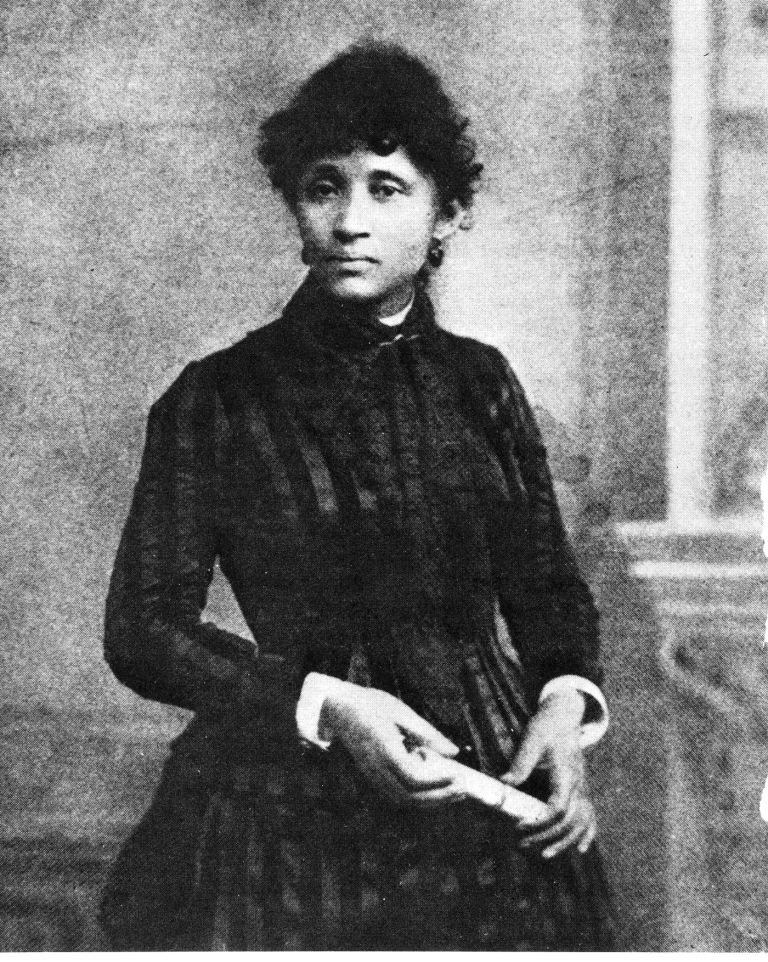
Lucy Gonzales Parsons, of African and Indian heritage from Texas, once enslaved, was a charismatic speaker and fiery writer for economic and racial justice in the U.S. and the world.
Katz introduces readers to Lucy Parsons, a former enslaved Black Indian, and a brilliant, and fiery orator and writer who became a socialist revolutionary; and to militant Black Indian Congressman George Henry White who introduced the first anti-lynching bill in 1900. Readers will hear of both the debates and efforts toward unity started in the 1960s between Dr. Martin Luther King, Dick Gregory, Stokely Carmichael [Kwame Ture], the American Indian Movement, and Black Power Movement, and between political prisoners Leonard Peltier and Mumia Abu Jamal.
Alice Walker called the original edition “usable, nearly lost, invaluable history . . . . A guide to the real America.”
John Hope Franklin said it was “a major contribution, particularly valuable because the subject has been overlooked.”
Howard Zinn said it “digs up stories that have not been told, introduces us to people and events that have been shamefully ignored and does it all in clear, clean prose.”

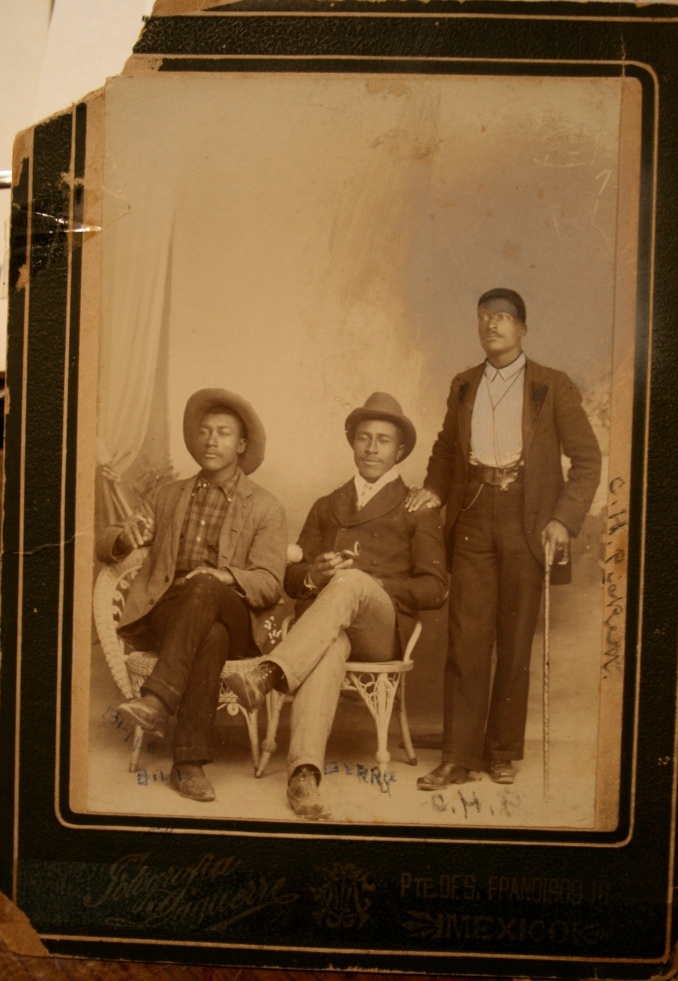
Bill Pickett (left, w/his brothers), a Black Cherokee, was the world's greatest rodeo performer. Photo from Gerald Anderson from the Pickett family album.
Mumia Abu Jamal said “A remarkable book… Perhaps if kids were taught this version of history, the mad dash of imperialism that marked much of the 20th century would not have occurred” and Black Child Magazine said it was “a classic” whose “many rare, antique engravings and photographs help prove the author’s leading points.”
William Loren Katz, author of forty books, also reveals the personal journey that led to the publication of Black Indians and how the book has stirred both heated critical reactions and ancestral memories.
More photographs, books, and articles on this topic at author William L. Katz’s website: WilliamLKatz.com The photos on this page were provided courtesy of the author.
Published by Simon and Schuster.
Post a comment
Explore by Time Period
- Colonization
- Revolution & Constitution
- Early 19th Century
- Civil War Era
- Reconstruction Period
- Industrial Revolution
- Turn of the Century
- World War I
- Prosperity, Depression, & World War II
- Cold War
- People’s Movement
- 1975 – 2000
- 2001 – Present
- 18th Century
- 19th Century
- 20th Century
- All US History
- 21st Century
Explore by Theme
- African American
- Art & Music
- Asian American
- Civil Rights Movements
- Criminal Justice
- Democracy & Citizenship
- Disability
- Economics
- Education
- Environment & Food
- Immigration
- Imperialism
- Individuals in US History
- Labor
- Language Arts
- Latino
- Laws & Citizen Rights
- LGBT
- Media
- Native American
- Organizing
- Pacific Islander
- Racism & Racial Identity
- Science
- Slavery
- Social Class
- Sports
- US Foreign Policy
- Wars & Related Anti-War Movements
- Women's History
- World History/Global Studies
List of Resources
- Articles
- Audio
- Books: Fiction
- Books: Non-Fiction
- Films
- Picture Books
- Posters
- Profiles
- Songs and Poems
- Spanish/Bilingual
- Teaching Activity PDFs
- Teaching Guides
- Websites
Reading Level
Facebook Status
Zinn Education Project
Wednesday, February 22nd at 14:16 Orisanmi Burton, librarian at DCPS McKinley Technology High School, wrote about a Black History Month event at his school that went beyond the traditional narrative: “On Feb. 2 we hosted a panel discussion on youth incarceration and Michelle Alexander's book, The New Jim Crow. Panelists included staff attorney for the DC Public Defender Service Alec Karakatsanis and Andy Cevasco from the Campaign for the Fair Sentencing of Youth. Over 40 students participated in an engaging discussion around mass incarceration, sentencing disparities, youth transfer laws, and strategies for moving forward.” What is your school doing for Black History Month?
The New Jim Crow: Mass Incarceration in the Age of Colorblindness
zinnedproject.org
Book – Non-Fiction. By Michelle Alexander. 2010. 290 pages. A critical analysis of the role the justice system plays in the oppression of African Americans in the United States.
Zinn Education Project
Wednesday, February 22nd at 10:05 Zinn Education Project friends in the D.C. area -- please get your tickets today for a very special event on March 12 called What Kids Aren't Learning: History Under Attack and Why It Matters with noted speakers and hosts: Khalil Muhammad, Jeff Biggers, Enid Lee, Bernard Demczuk, and Renee Poussaint.
What Kids Aren't Learning: History Under Attack and Why It Matters | Teaching For Change
teachingforchange.org
With the recent ban on teaching ethnic studies in Tucson, Arizona, the work of Teaching for Change is more vital than ever. Students and teachers around the country, not just in Arizona, are being denied classes that teach the honest, complex, and diverse narrative that is U.S. history. With history...
Zinn Education Project
Wednesday, February 22nd at 7:20 On this day in 1943, Sophie Scholl, Hans Scholl, and Christoph Probst were executed for their role in the White Rose, a group that urged students to rise up and overthrow the Nazi government. "We will not be silent. We are your bad conscience. The White Rose will not leave you in peace!" -- quote from the 4th leaflet.
History in Pictures - February
On Feb. 22, 1943, Sophie Scholl, Hans Scholl, and Christoph Probst were executed for their role in urging students to rise up and overthrow the Nazi government. They were members of a group called the White Rose, who organized nonviolent resistance to Hitler, and were arrested for printing and distributing anti-Nazi flyers.
Photo: Hans Scholl (left), Sophie Scholl (center), and Christoph Probst (right), leaders of the White Rose resistance organization. Munich, Germany, 1942 (From the United States Holocaust Memorial Museum, George J. Wittenstein.
See trailer for film about the life of Sophie Scholl: http://zeitgeistfilms.com/displaytrailer.php?directoryname=sophiescholl&size=high&extension=mov
Leaflets from the White Rose: http://unitarian-stcatharines.org/pdf-files/whiterose.pdf
History in Pictures features just a few of the many stories that are often left out of the textbooks. The sources for these stories include: This Week in History from Peace Buttons (http://www.peacebuttons.info/E-News/thisweek.htm), Planning to Change the World: A Social Justice Plan Book for Teachers (http://www.justiceplanbook.com/), This Day in Civil Rights History (http://zinnedproject.org/posts/13684), History.com (http://www.history.com/this-day-in-history), 50 American Revolutions You Are Not Supposed to Know (http://zinnedproject.org/posts/11632), A People's History of the United States (http://zinnedproject.org/posts/67), Black Facts Online (http://www.blackfacts.com), Today in Labor History (http://www.unionist.com/big-labor/today-in-labor-history), Primary Source (http://resources.primarysource.org/content.php?pid=184419&sid=1549829), and many more.
You must login to comment.