Teaching Activity. By Bill Bigelow. 6 pages.
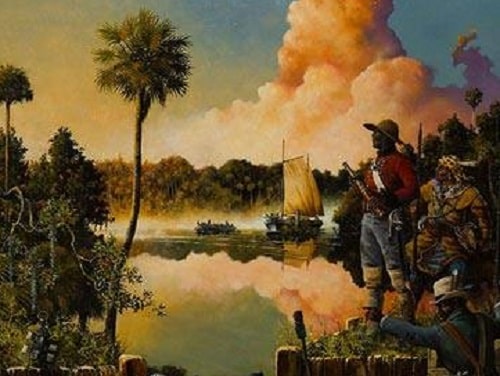
A lesson on the countless colonial laws enacted to create division and inequality based on race. This helps students understand the origins of racism in the United States and who benefits.
Continue reading
Teaching Activity. By Bill Bigelow. 5 pages.
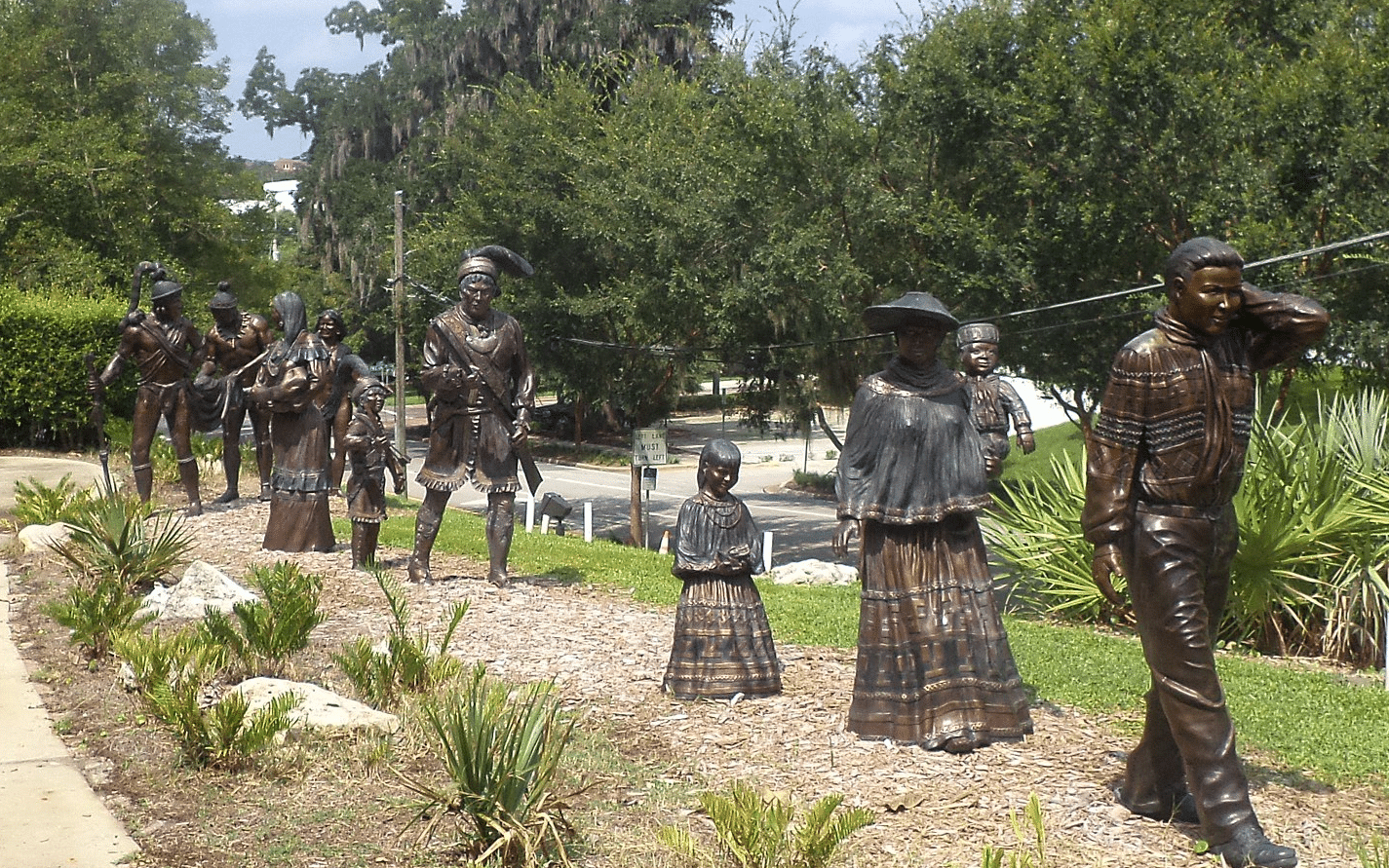
A lesson in which students develop critical literacy skills by responding to Andrew Jackson's speech on "Indian Removal."
Continue reading
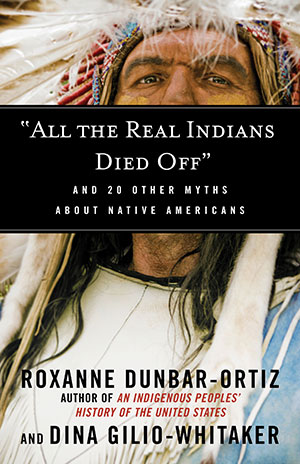
Book — Non-fiction. By Roxanne Dunbar-Ortiz and Dina Gilio-Whitaker. 2016. 224 pages.
Deconstructs persistent myths about American Indians rooted in fear and prejudice — an astute and lively primer of European-Indian relations.
Continue reading
Film. By Upstander Project. 2015. 13 minutes.
Story of forced removal of Native American children in Maine sent to boarding schools.
Continue reading
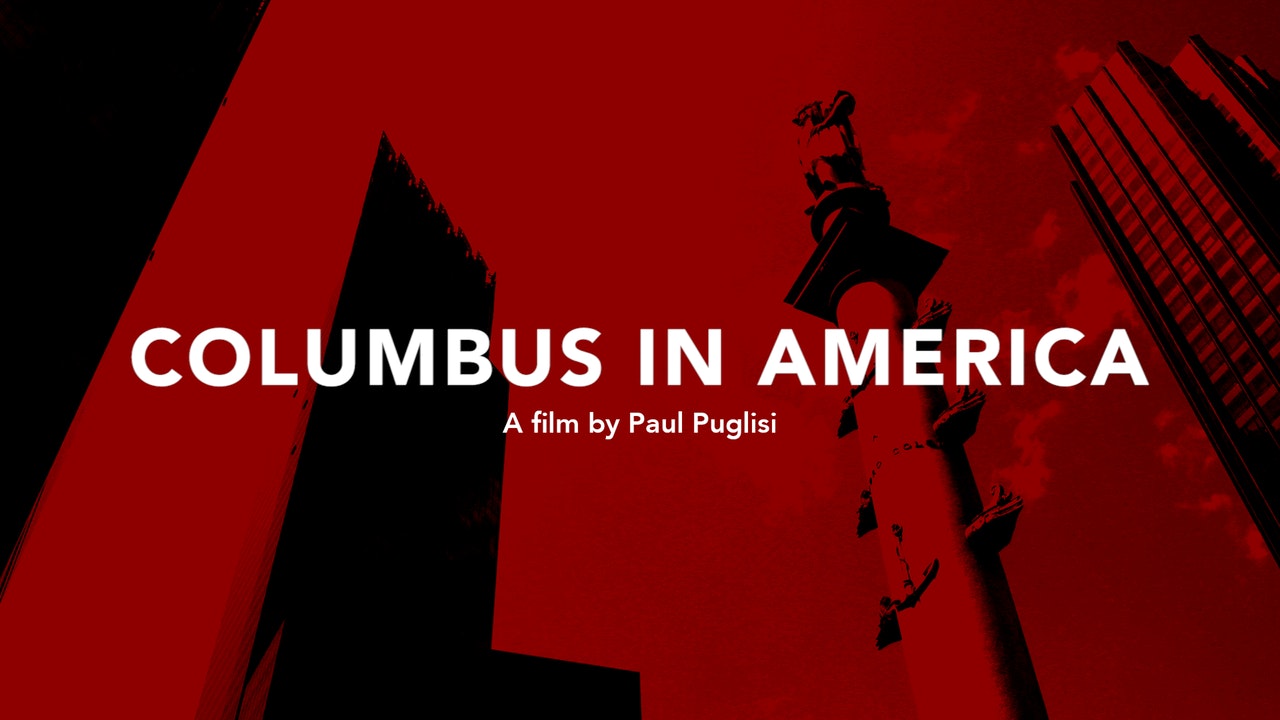
Film. By Paul Puglisi. 2017. 89 minutes.
Documentary on the symbol of Columbus in the United States and the campaign for Indigenous Peoples' Day.
Continue reading
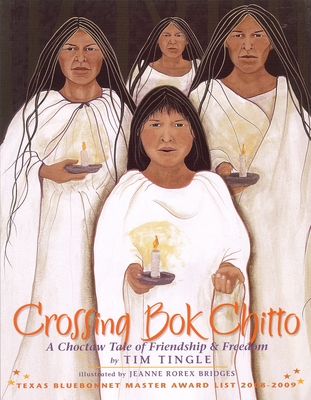
Picture book. By Tim Tingle. 2008. 40 pages.
A picture book that highlights rarely discussed intersections between Native Americans in the South and African Americans in bondage.
Continue reading
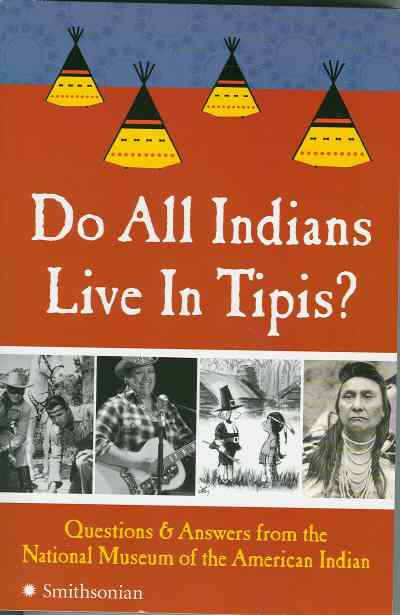
Book — Non-fiction. By National Museum of the American Indian. 2007. 256 pages.
Introduction to Native American history and contemporary culture.
Continue reading
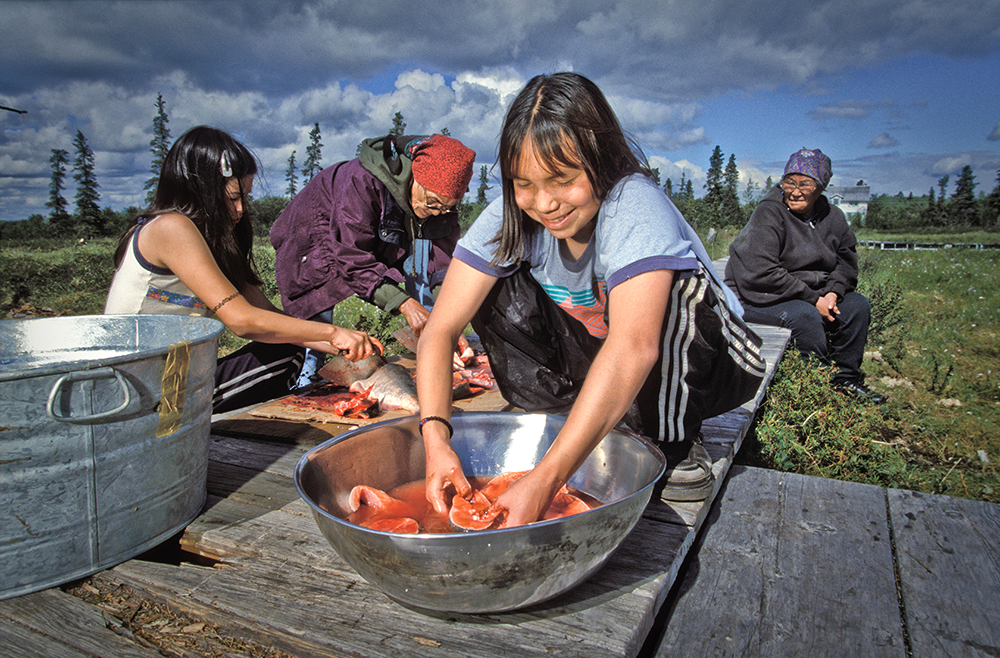
Article. By Jill Howdyshell.
The author describes how climate change is hitting Indigenous communities in Alaska much harder than other places in the world. And yet, administrators still insist that school discussions should focus on student test scores.
Continue reading
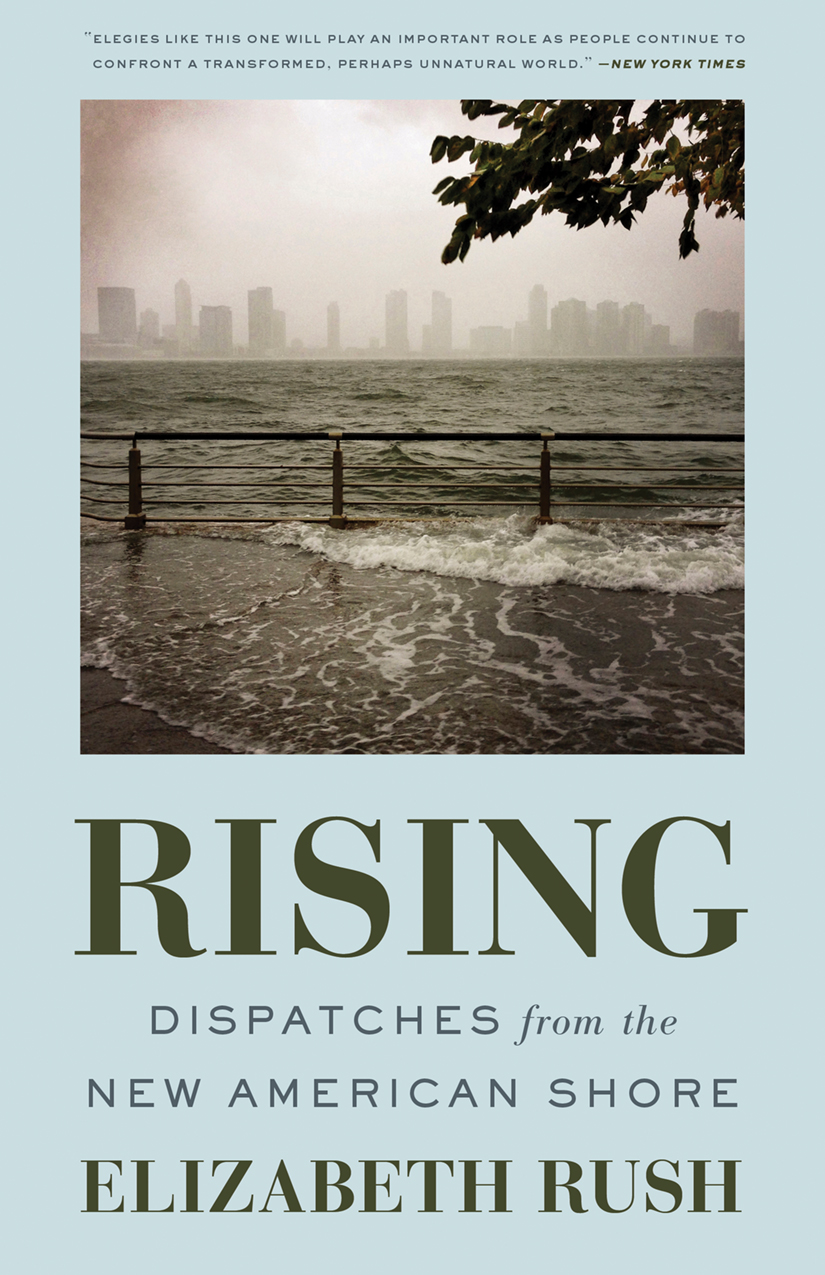
Book — Non-fiction. By Elizabeth Rush. 2019. 328 pages.
A book about the impact of climate change on U.S. communities and societies that privileges the voices of those too often kept at the margins.
Continue reading
Article. By Bill Bigelow. Rethinking Schools, Fall 2018.
Teaching hope instead of despair, teachers invite students to research “climate warriors,” those who “know the truth” and yet are not defeated by it.
Continue reading
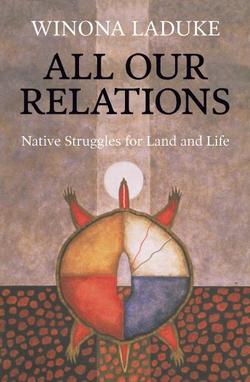
Book — Non-fiction. By Winona LaDuke. 1999.
Native American activists provide testimonies to indigenous efforts to resist oppression and fight both cultural and environmental degradation in the face of U.S. colonialism.
Continue reading
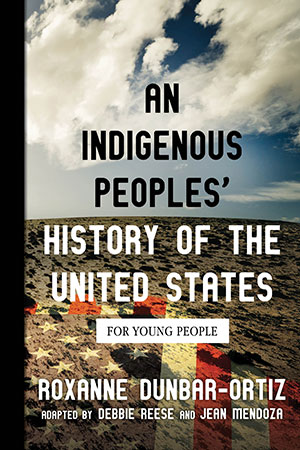
Book — Non-fiction. By Roxanne Dunbar-Ortiz; adapted by Debbie Reese and Jean Mendoza. 2019. 244 pages.
The original academic text is fully adapted by renowned curriculum experts Debbie Reese and Jean Mendoza, for middle-grade and young adult readers.
Continue reading
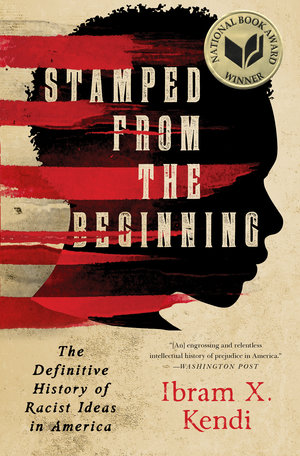
Book — Non-fiction. By Ibram X. Kendi. 2016. 608 pages.
This book chronicles the origins and growth of anti-Black racist ideas, and their power, over the course of U.S. history.
Continue reading
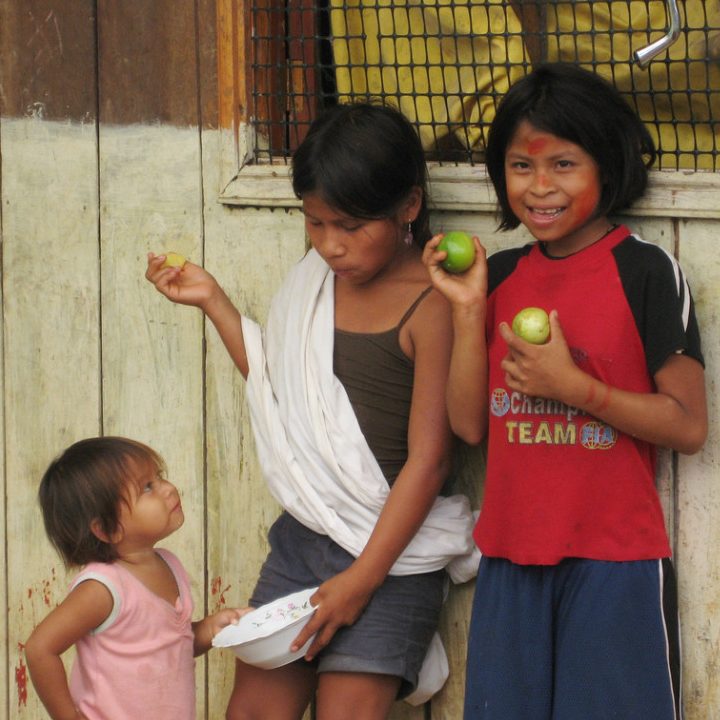
Film. By Christopher Walker. 1996. 52 minutes.
This documentary reveals the funny, heartbreaking, and thrilling story of the battle waged by indigenous people to preserve their way of life in the Amazon, in the face of international capitalism and colonialism.
Continue reading
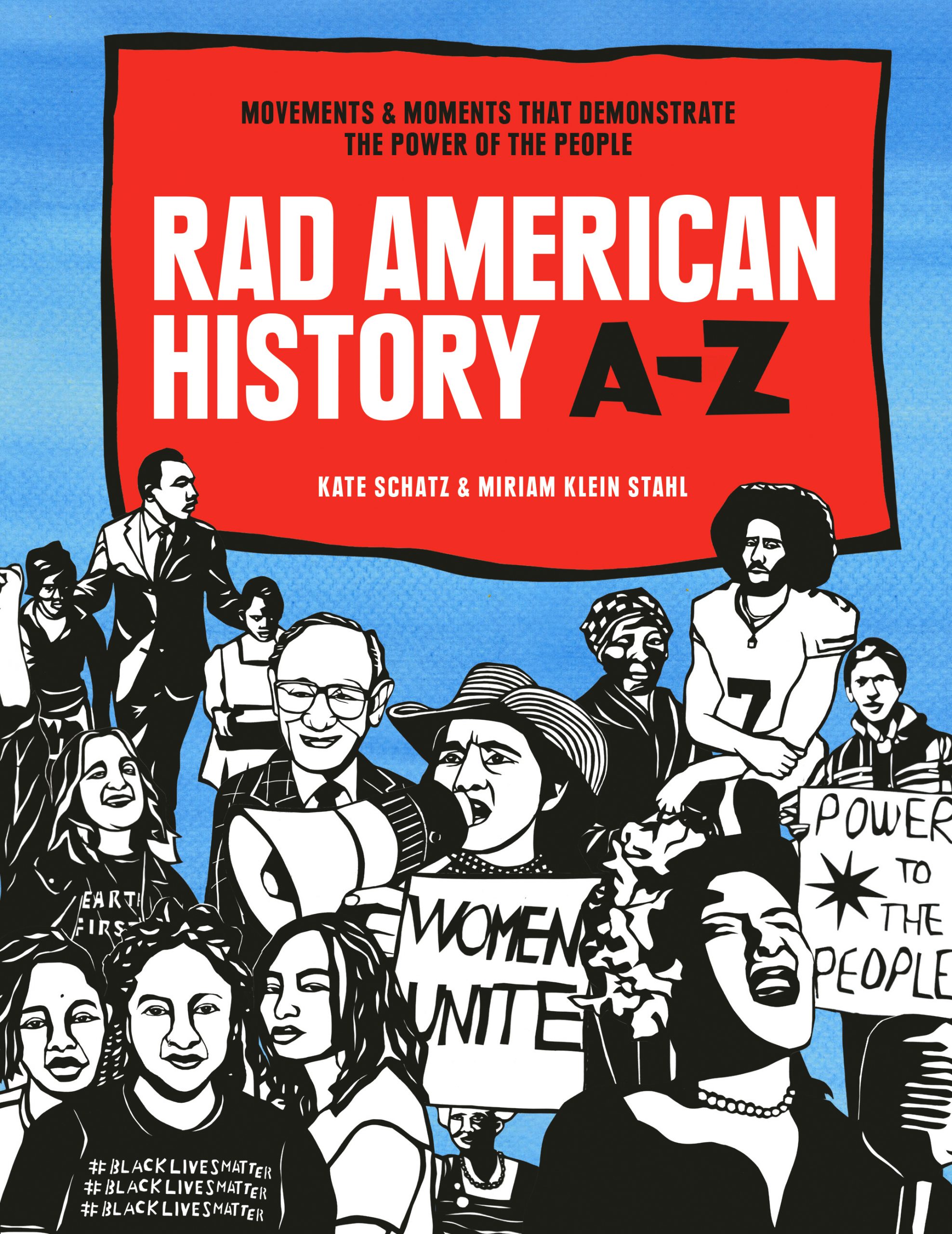
Book — Non-fiction. By Kate Schatz and illustrated by Miriam Klein Stahl. Ten Speed Press. 2020. 176 pages.
Paired with dynamic paper-cut art, readers explore several centuries of U.S. politics, culture, art, activism, and liberation.
Continue reading
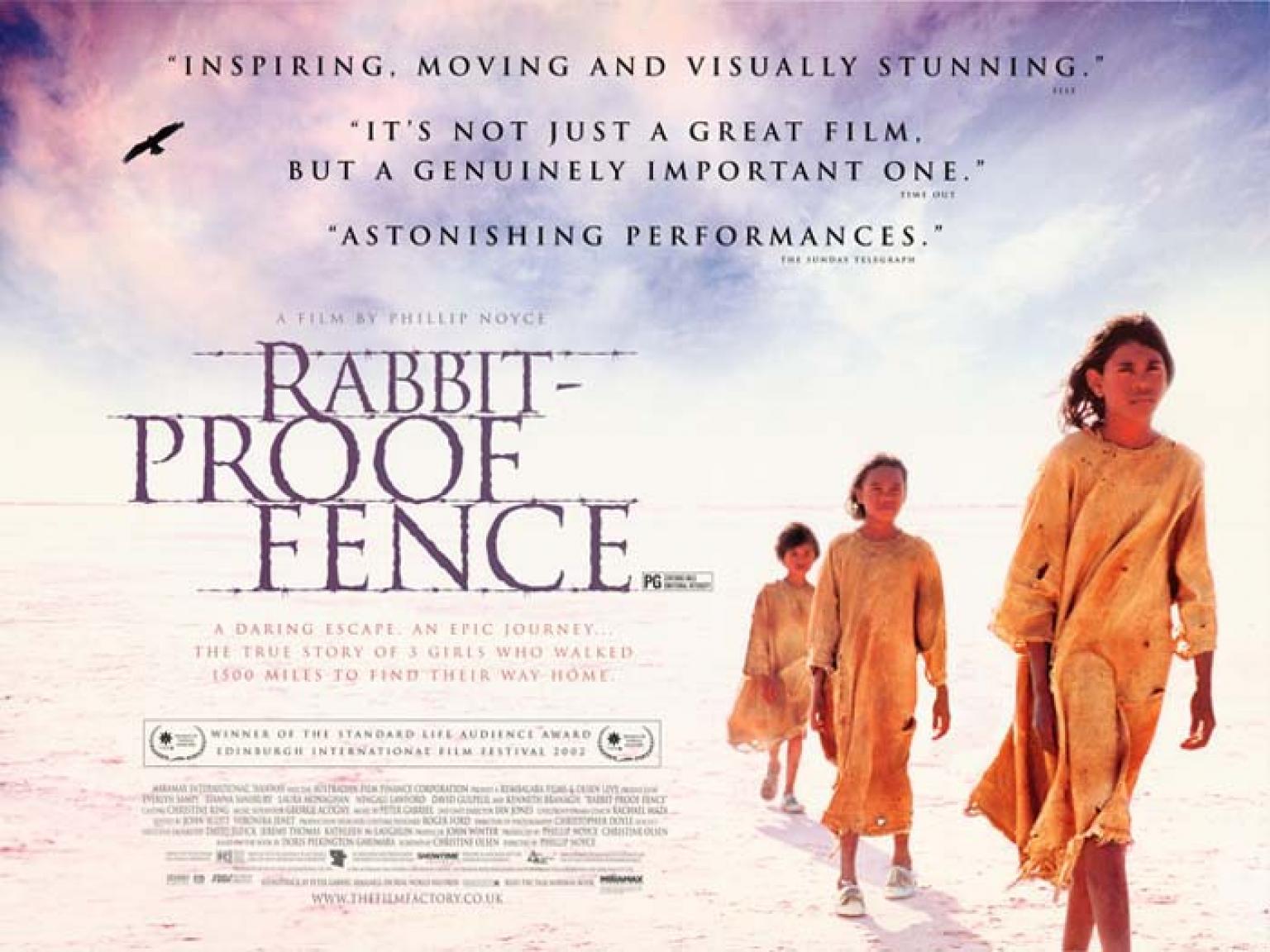
Film. Directed by Phillip Noyce. 2002. 79 minutes.
In 1931, three aboriginal girls escape after being plucked from their homes to be trained as domestic staff and set off on a journey across the Outback.
Continue reading
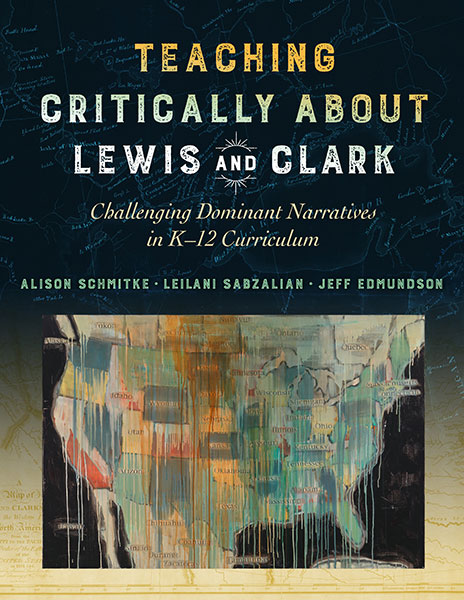
Book — Non-fiction. By Alison Schmitke, Leilani Sabzalian, Jeff Edmundson. 2020. 216 pages.
This much-needed guide unpacks the colonial narrative that dominates most mainstream histories of the Corps of Discovery expedition.
Continue reading
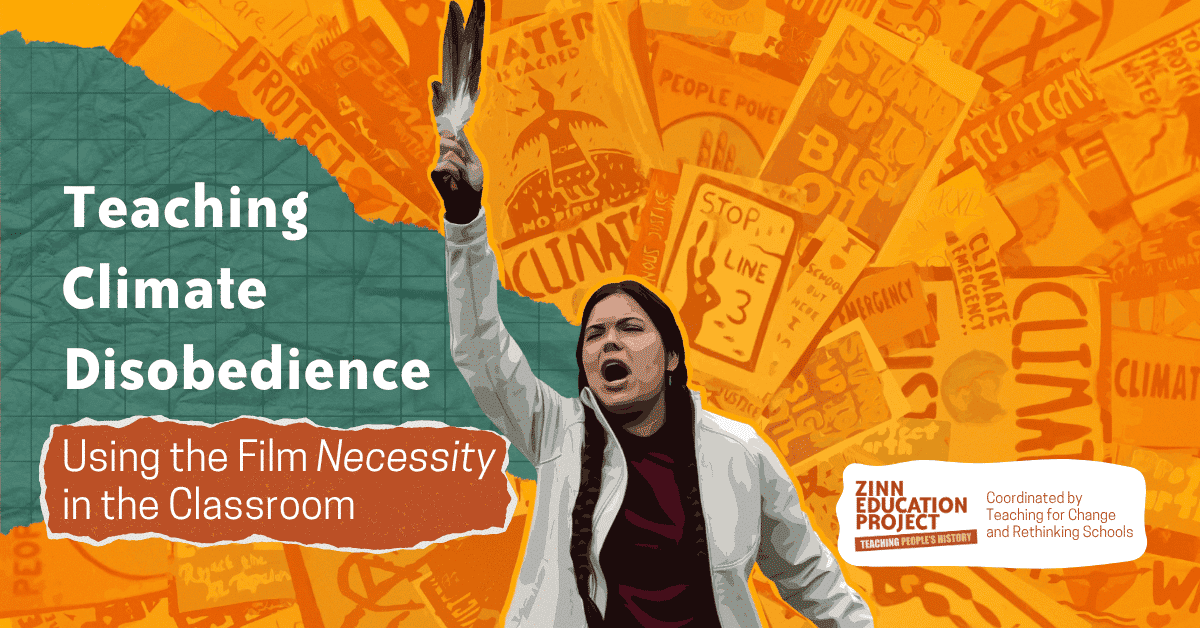
Teaching Activity. By Ursula Wolfe-Rocca.
A lesson about multiple cohorts of climate activists: Indigenous leaders in the Climate Justice Movement, valve turners using civil disobedience to stop the flow of oil, and the legal team that uses the “necessity defense” in the courts.
Continue reading
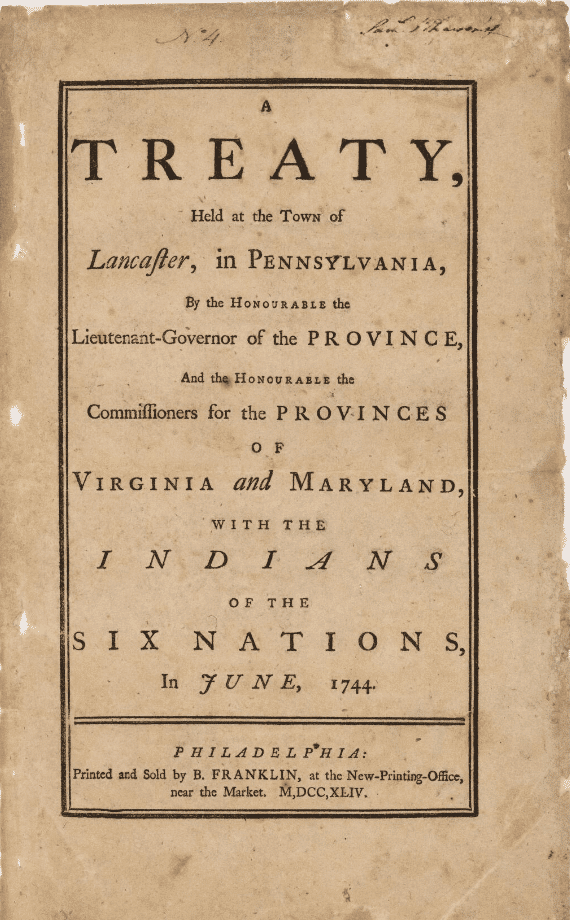
Digital collection. View digitized historic treaties between Indigenous tribes and the U.S. government alongside key historic works that provide context to the agreements made and the histories of shared lands.
Continue reading
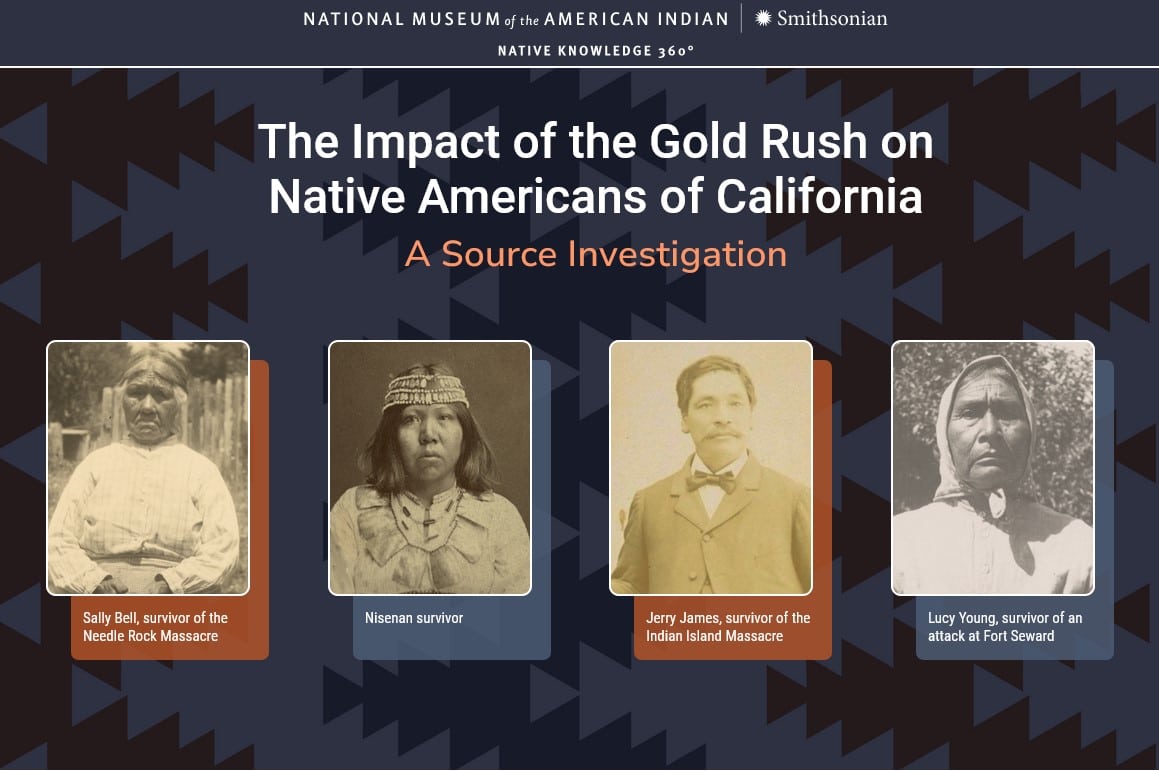
Teaching Activity. Smithsonian’s National Museum of the American Indian Native Knowledge 360° initiative. 9 pages.
Provides primary sources, maps, images, and background history to offer teachers and students insight into the impact of the California gold rush on Native Americans.
Continue reading
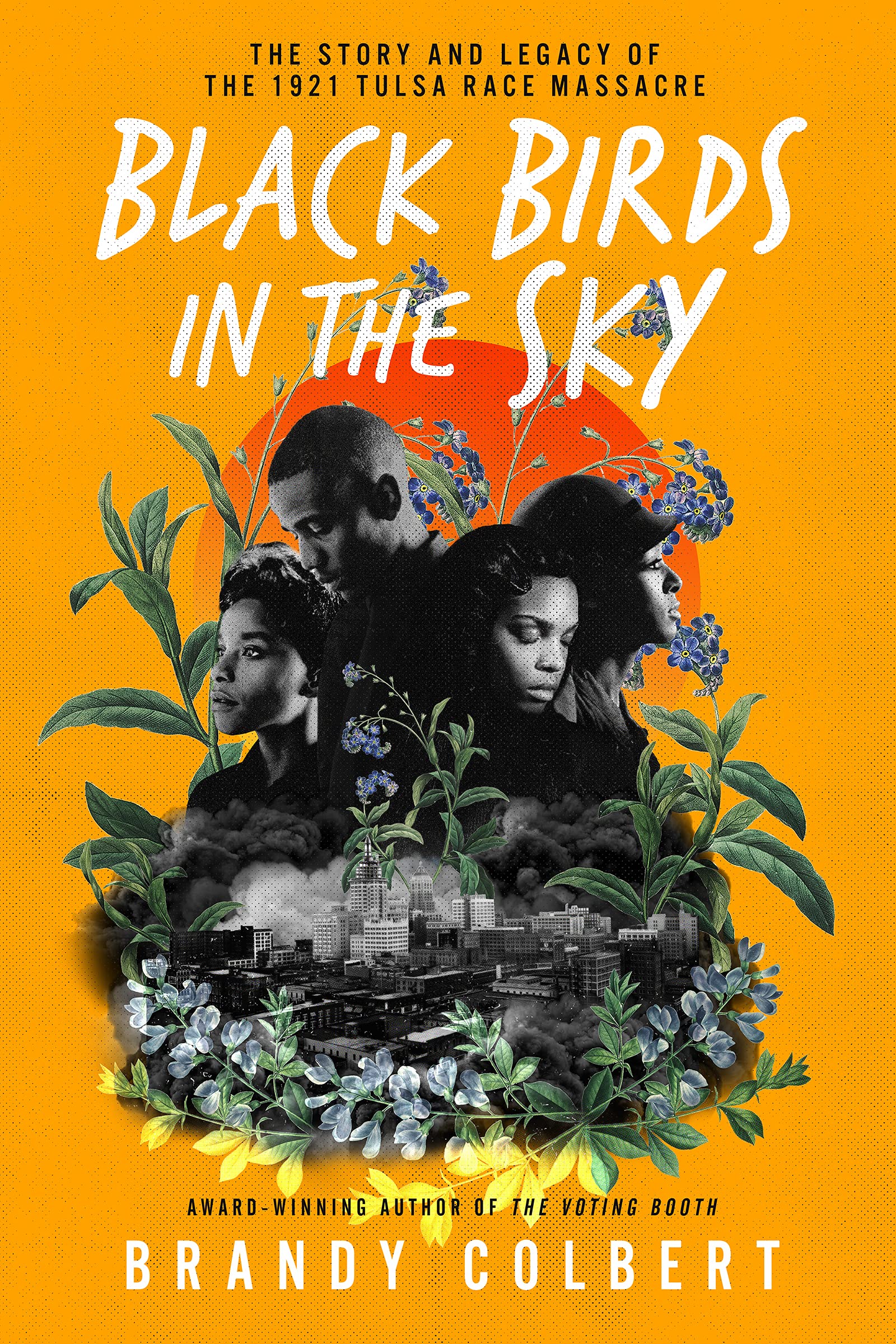
Book — Non-fiction. By Brandy Colbert. 2021. 216 pages.
History of Oklahoma including Trail of Tears, Reconstruction, Black towns, Red Summer, Jim Crow, Black and white newspapers, lynchings, Tulsa Race Massacre, and the ongoing fight for reparations and historical memory.
Continue reading
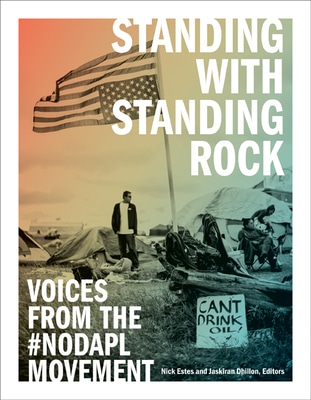
Book — Non-fiction. Edited by Nick Estes and Jaskiran Dhillon. 2019. 448 pages.
Through poetry and prose, essays, photography, interviews, and polemical interventions, the contributors, including leaders of the Standing Rock movement, reflect on Indigenous history and politics and on the movement's significance.
Teaching Activity by Nick Estes (editor)
Continue reading
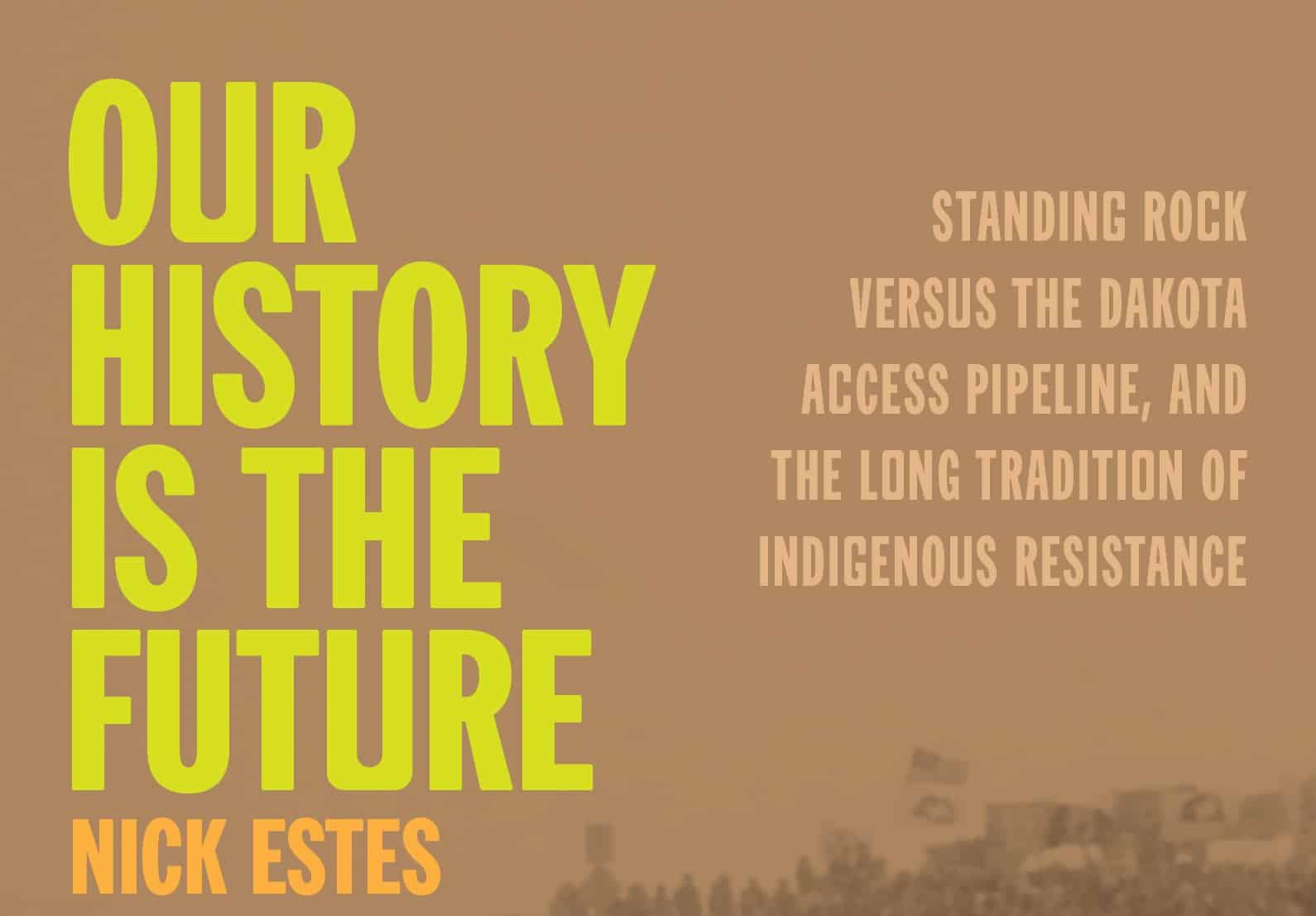
Book — Non-fiction. By Nick Estes. 2024. 328 pages.
In Our History Is the Future, Nick Estes traces traditions of Indigenous resistance that led to the #NoDAPL movement.
Teaching Activity by Nick Estes
Continue reading
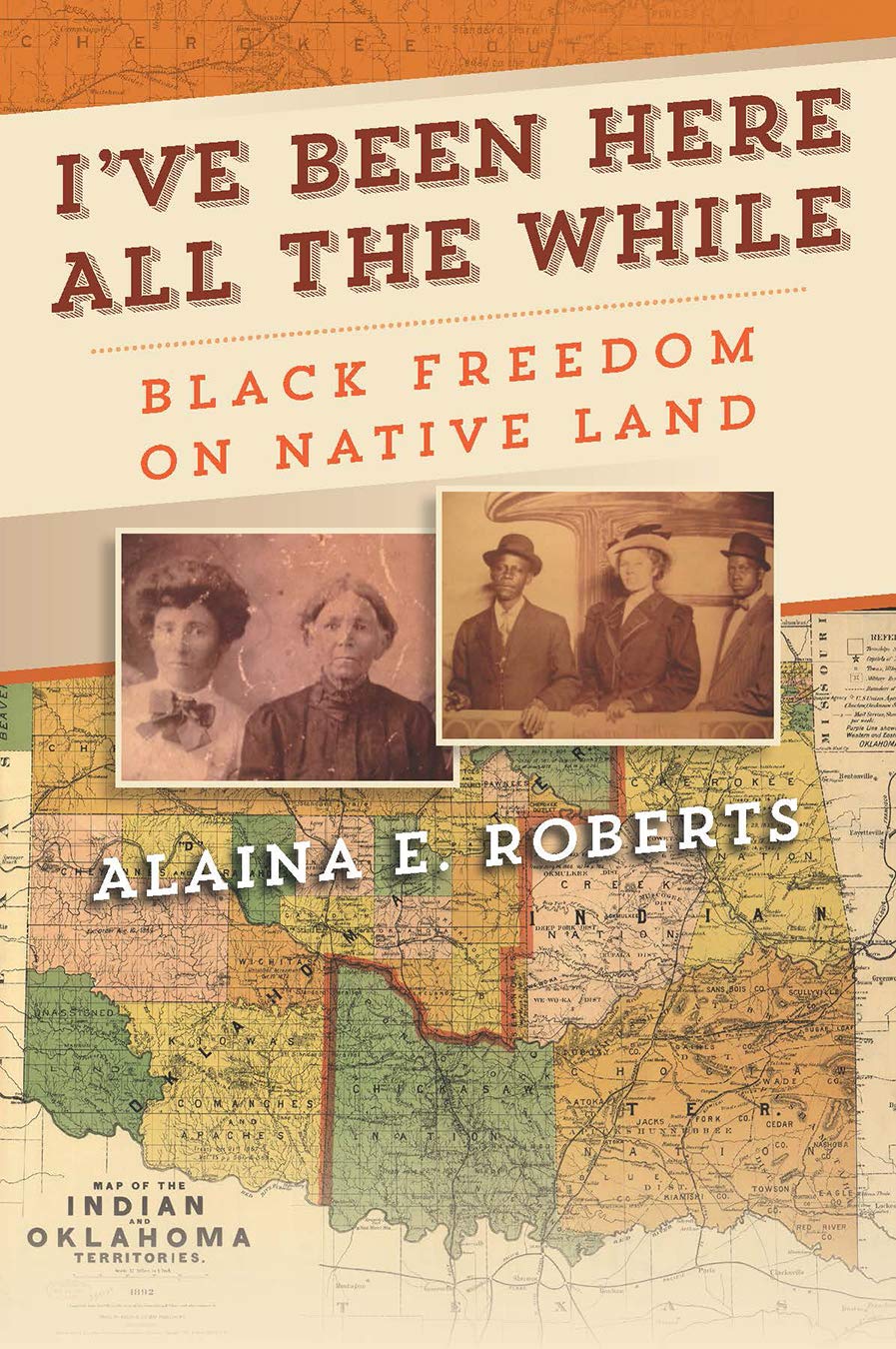
Book - Non-fiction. By Alaina E. Roberts. 224 pages. 2021.
Through chapters that chart cycles of dispossession, land seizure, and settlement in Indian Territory, Alaina E. Roberts connects debates about Black freedom and Native American citizenship to westward expansion onto Native land.
Continue reading
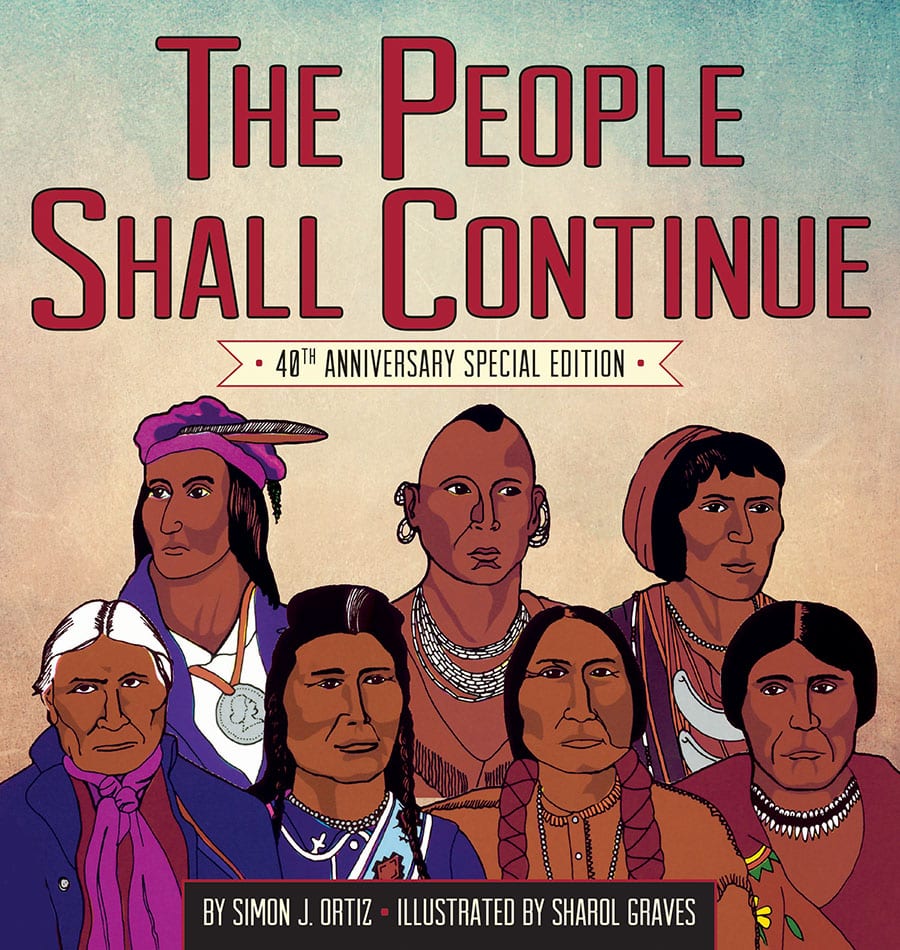
Picture Book. By Simon J. Ortiz, illustrated by Sharol Graves. 2022. 32 pages.
This powerful telling of the history of the Native/Indigenous peoples of North America recounts their story from Creation to the invasion and usurpation of Native lands.
Teaching Activity by By Simon J. Ortiz, Illustrated by Sharol Graves
Continue reading