

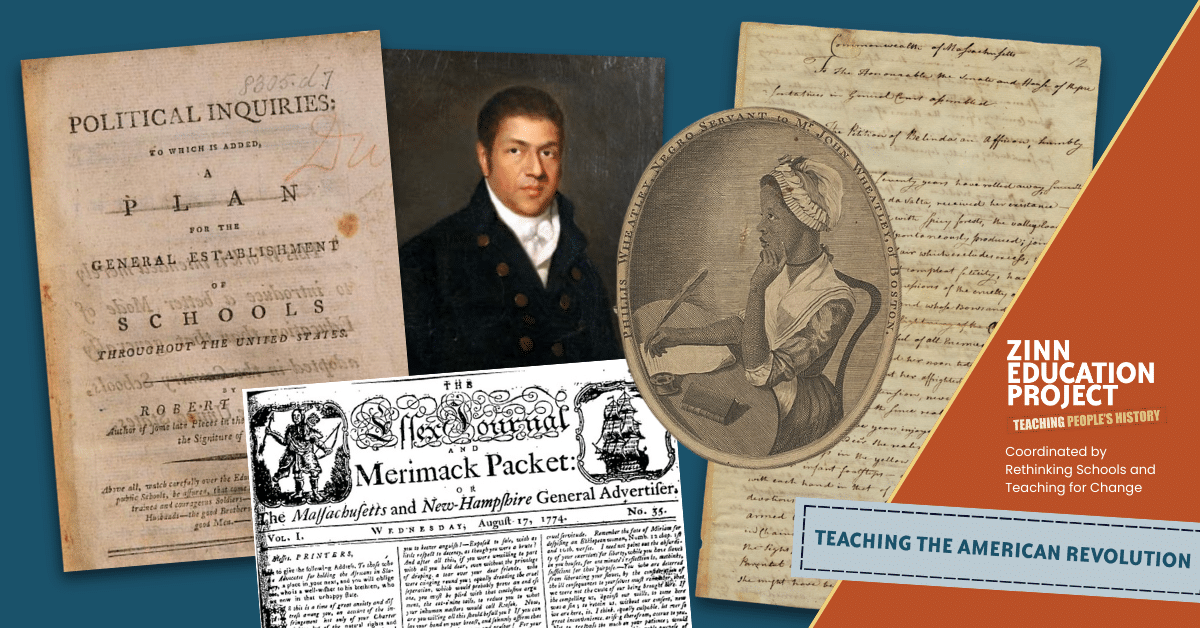
The U.S. Department of Education launched the America 250 Civics Coalition as part of this administration’s plans to celebrate “a new era of American greatness.” The coalition of 40 organizations includes the Heritage Foundation, Hillsdale College, Moms for Liberty, PragerU, and Turning Point USA.
Given the many crises with immigration detention, extreme weather, education censorship, loss of healthcare, genocidal wars, authoritarian rule, and more — it is imperative that we give students tools for an honest study of the American Revolution so that they can shape a more just future.
We offer considerations for framing the American Revolution, followed by resources for teaching outside the textbook.
Sign Up
Let’s make visible the fact that teachers everywhere are teaching truthfully about the American Revolution.
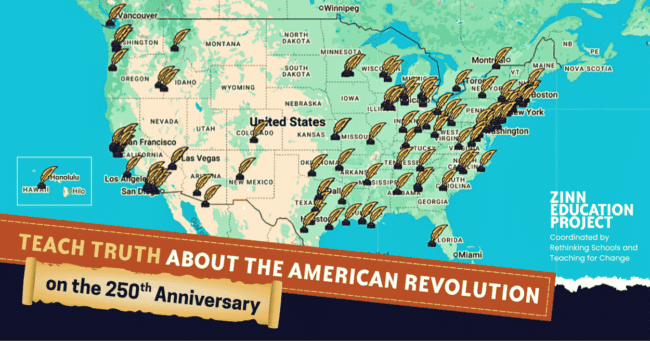
Sign up to participate. We are adding quills to the map to show the cities/states where teachers are participating — but we will NOT share your name, role, or contact info. Help us fill the map so that it reflects participation in all 50 states and territories.
Seven Questions to Rethink 1776
A series of questions to invite inquiry and surface thoughtful discussions about the American Revolution and founding of the United States.
1. Should the American Revolution be considered revolutionary? What does “revolution” mean? What would constitute an actual revolution?
2. How did Black, Native, poor, and colonized peoples envision freedom? How did they use words like “liberty,” “equality,” and “justice”?
3. How did colonists’ invasion of Native lands — and resistance to it — shape the Revolutionary War and the founding of the United States?
4. How did colonists’ enslavement of Black people — and resistance to it — shape the Revolutionary War and the founding of the United States?
5. Which groups fought on either side of the American Revolution? Who benefited, and who didn’t? Why would some groups not support — or actively oppose — the Revolution?
6. How was the Revolutionary War part of an “Age of Revolutions” and colonial battles across the world?
7. What happens to our understanding of “American freedom” when we center the voices of those it excluded? What do popular stories of the American Revolution claim about how history and progress are made? What do they hide? What purposes do they serve?
Curriculum
|
|
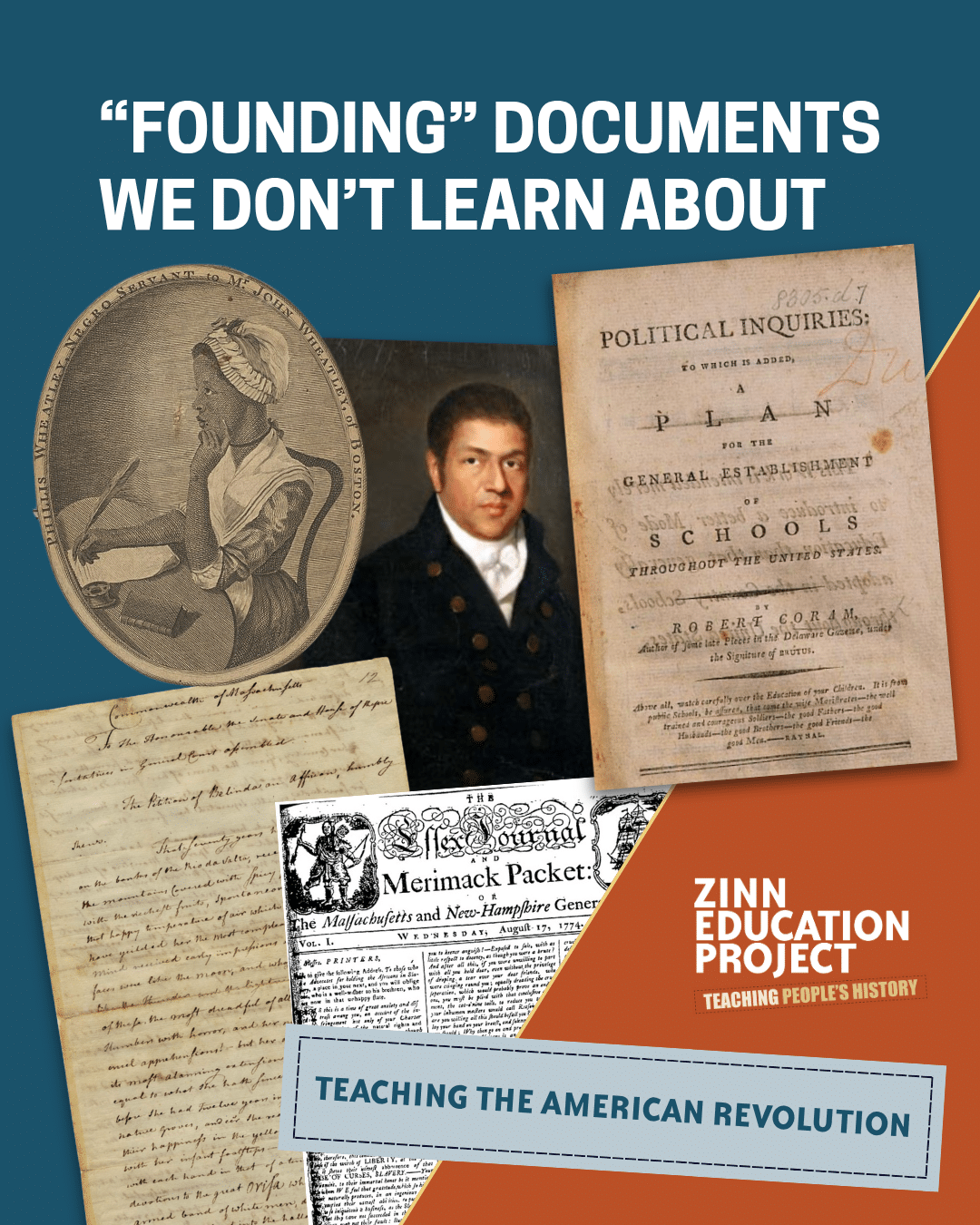
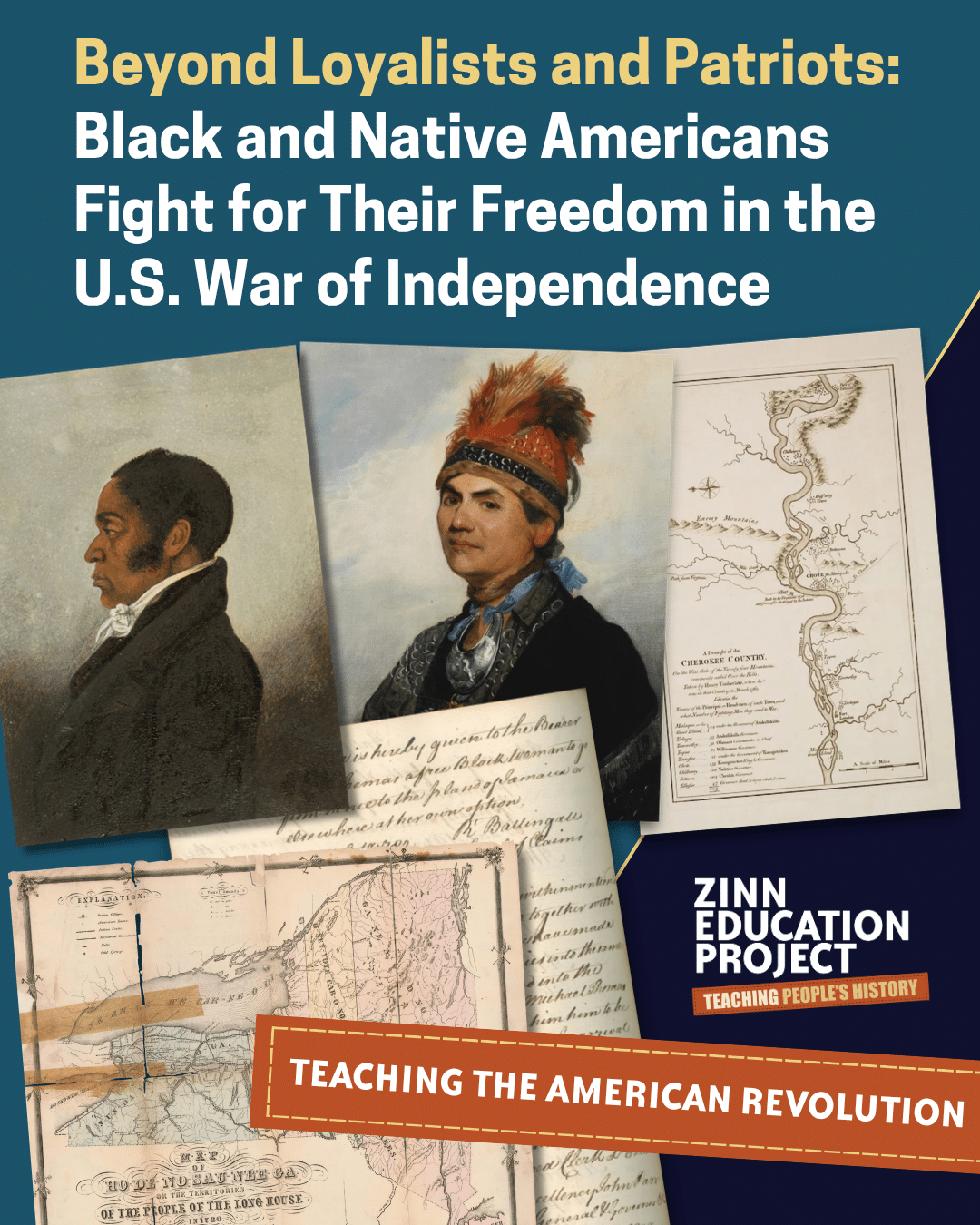
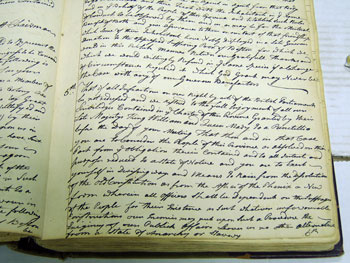
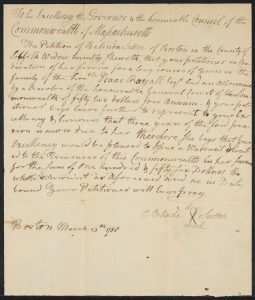
“Founding” Documents We Don’t Learn About by Mimi Eisen Beyond Loyalists and Patriots: Black and Native Americans Fight for Their Freedom in the U.S. War of Independence by Tiferet Ani and Mimi Eisen Race, Class, and the Constitutional Convention by Bill Bigelow A People’s History of the United States discussion questions. See Chapter 4: Tyranny Is Tyranny and Chapter 5: A Kind of Revolution questions for reflection by Bill Bigelow We Refuse discussion questions for the chapter on revolutions. Questions for reflection by Mimi Eisen “Semiquincentennial Blues” – Teaching the 250th Anniversary of the United States through Blues Poetry by Jesse Hagopian American Revolution: Haudenosaunee Perseverance by the National Museum of the American Indian Telling the Stories of Black People Living During the American Revolution by Motor City Educators and The 1619 Project |
K–12 Books
|
|
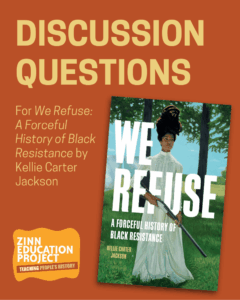
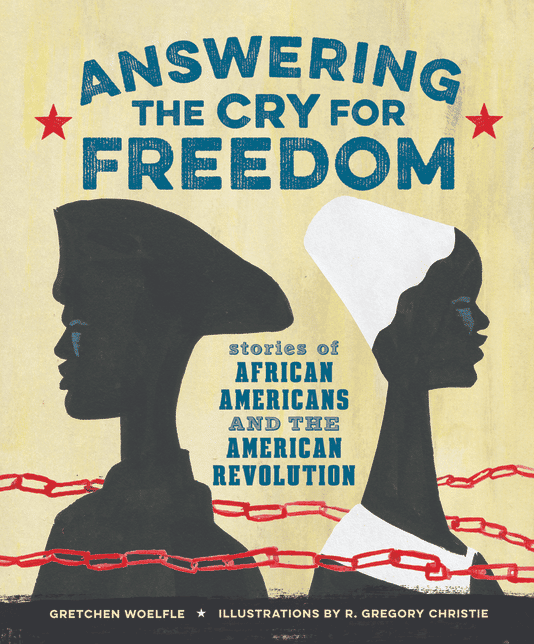
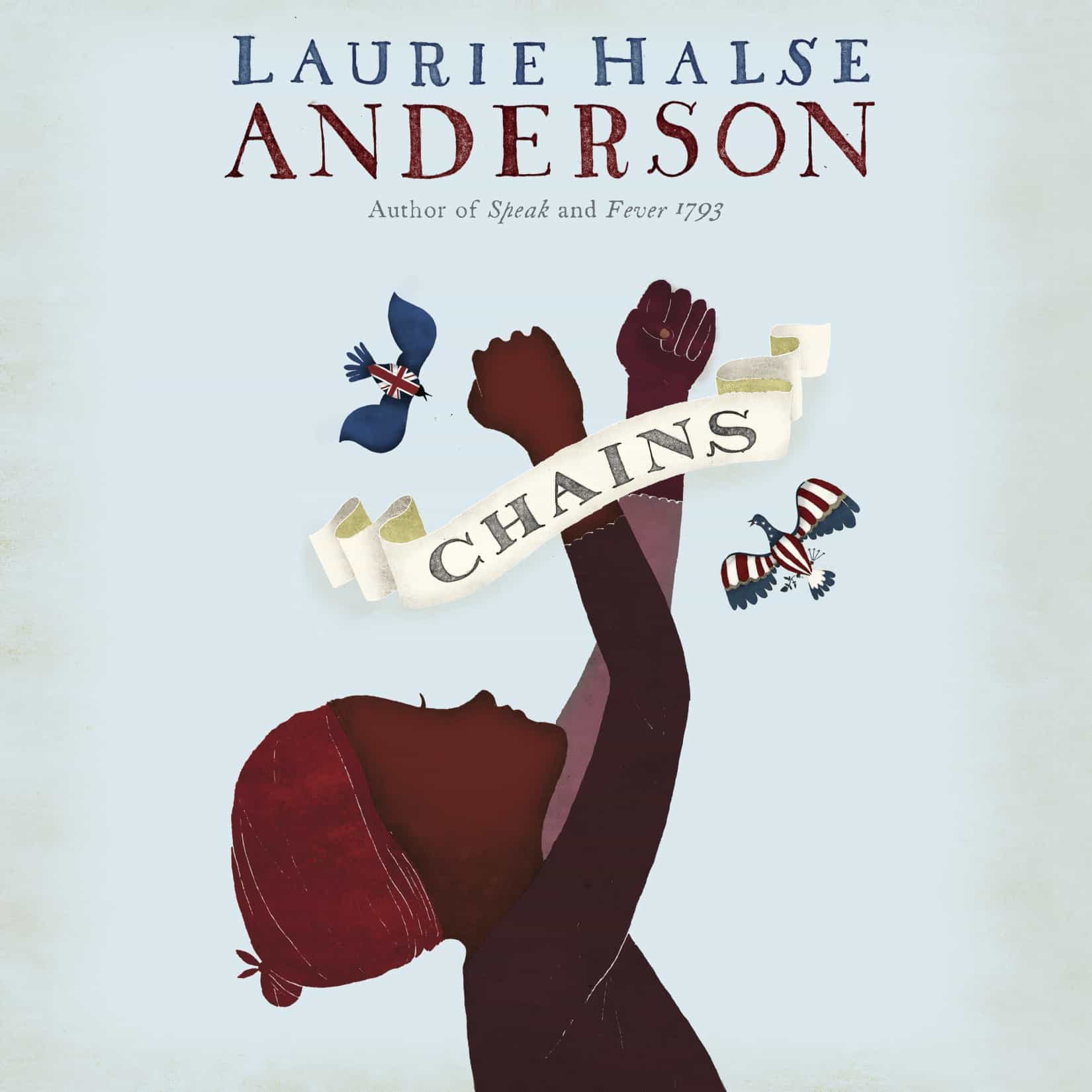
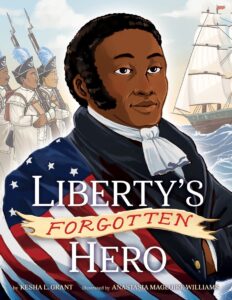
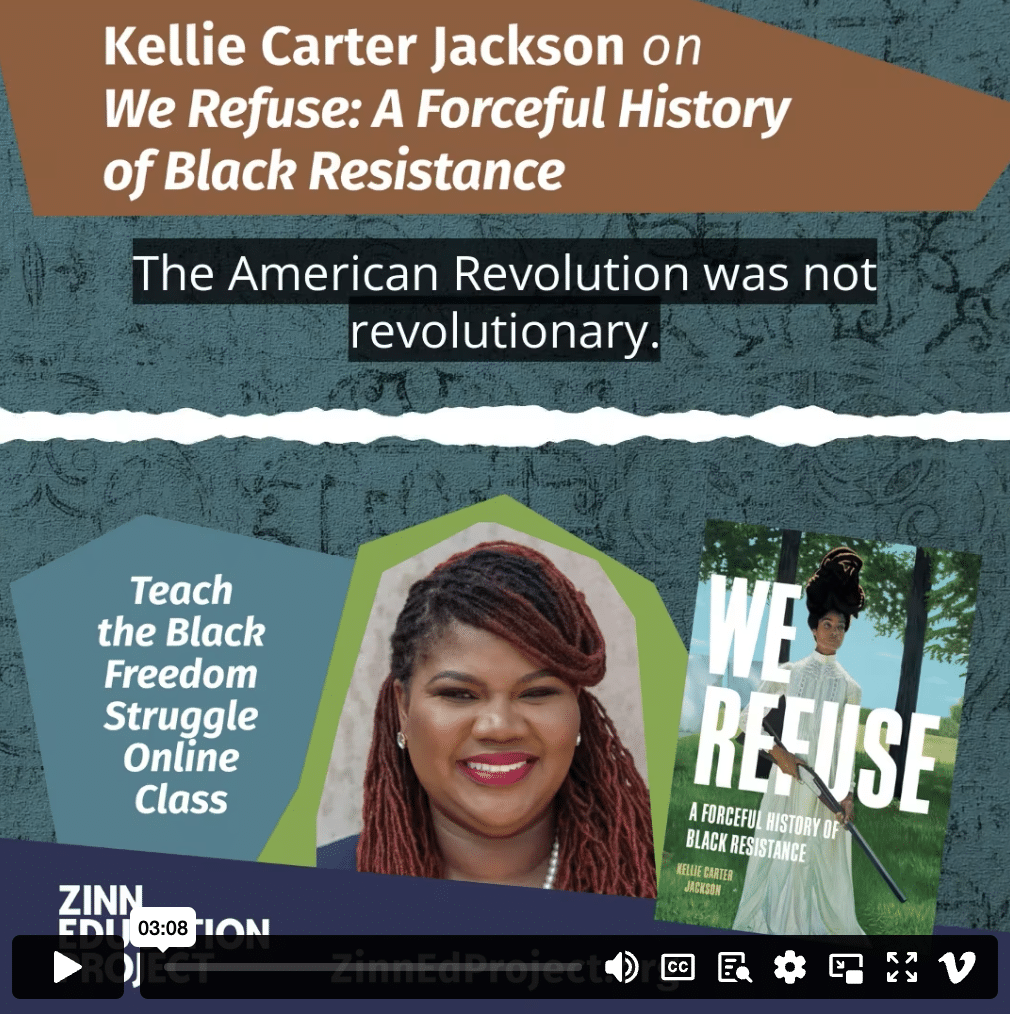
Answering the Cry for Freedom: Stories of African Americans and the American Revolution by Gretchen Woelfle, illustrated by R. Gregory Christie. Profiles of African American, free and enslaved, during the American Revolution for upper elementary to middle school. Chains by Laurie Halse Anderson. Historical fiction based on the life of an enslaved teenager during the Revolutionary War. Liberty’s Forgotten Hero: The Revolutionary Life of James Forten by Kesha L. Grant, with illustrations by Anastasia Magloire Williams. Picture book about James Forten, who served in the American Revolution and then dedicated his life to fighting for the ideals set forth by the Declaration of Independence that “all men are created equal.” Mumbet’s Declaration of Independence by Gretchen Woelfle, illustrated by Alix Delinois. Picture book about true story of Elizabeth Freeman, a woman who challenged the legality of her enslavement. We Refuse: A Forceful History of Black Resistance by Kellie Carter Jackson. A reframing of the past and present of Black resistance — both nonviolent and violent — to white supremacy. See Chapter One: Revolution |
Background Reading
|
|
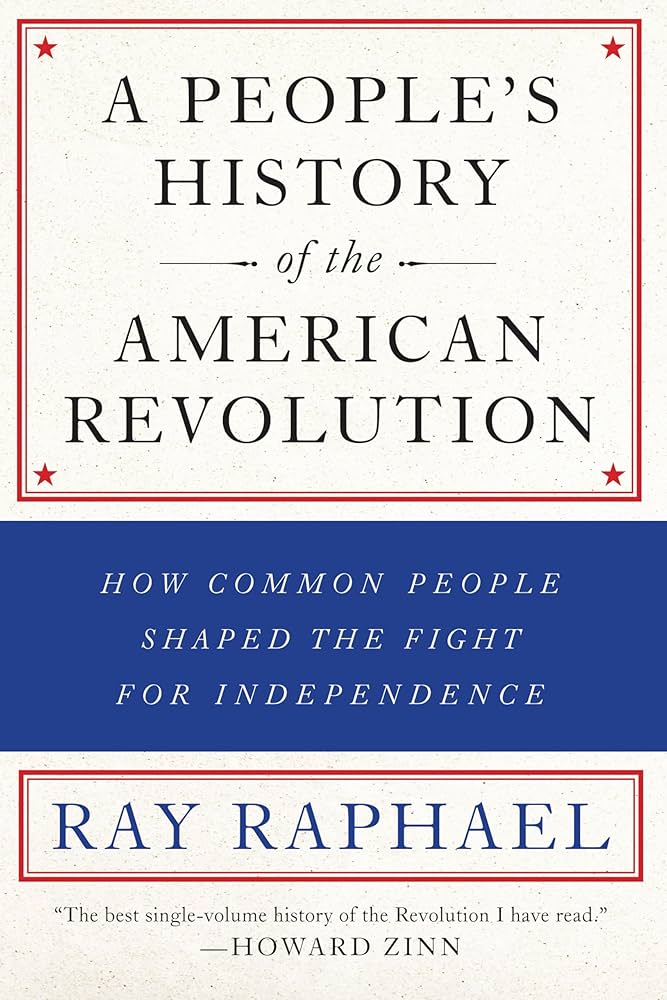
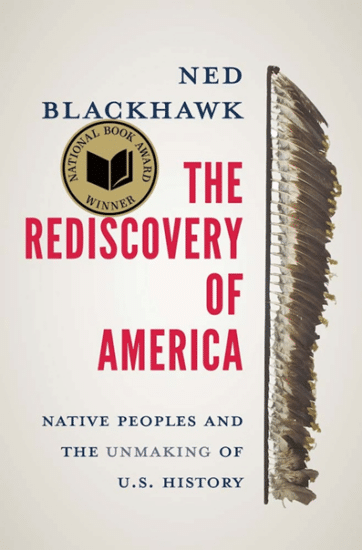
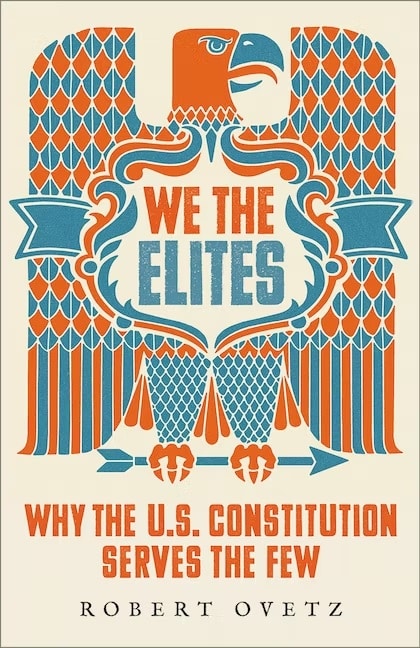
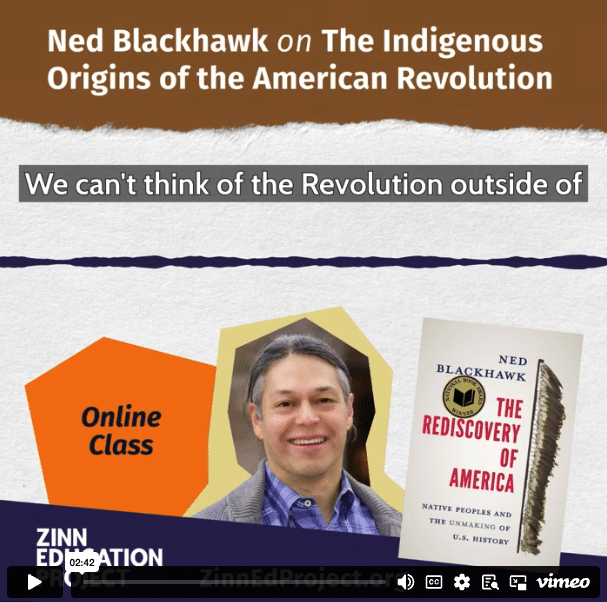
A People’s History of the American Revolution: How Common People Shaped the Fight for Independence by Ray Raphael. A book that uses hundreds of primary sources to tell the more accurate, populist, complicated, and interesting story of the American Revolution. Daniel Shays’s Honorable Rebellion: An American Story by Daniel Bullen. A history of Shays’s Rebellion, where farmers challenged the state’s authority to seize their farms for flagrantly unjust taxes, told from the protesters’ perspective. Founding Myths: Stories That Hide Our Patriotic Past by Ray Raphael. A book on myths and the reasons that they have come to replace the real stories of the Revolutionary period. The Many-Headed Hydra: Sailors, Slaves, Commoners, and the Hidden History of the Revolutionary Atlantic by Peter Linebaugh and Marcus Rediker. A sweeping history of the role of the dispossessed in the making of the modern world. See Introduction and Chapter Seven: A Motley Crew in the American Revolution The Rediscovery of America: Native Peoples and the Unmaking of U.S. History by Ned Blackhawk. A history of the United Stated that explains how “the first shots of the American Revolution were prompted by Indian affairs in the interior.” Revolutionary Founders: Rebels, Radicals, and Reformers in the Making of the Nation edited by Alfred F. Young, Gary Nash, and Ray Raphael. Twenty-two essays by leading historians that reveal the radical impulses at the founding of the American Republic. U.S. History at the 250th: From the Revolution to the History Wars by Catherine Clinton, et al. A collection of conversations that illustrates how U.S history is not just about what happened but who gets to tell the story and the political implications of the narratives we tell. We the Elites: Why the U.S. Constitution Serves the Few by Robert Ovetz. A collection of essays that exposes the U.S. Constitution for what it really is — a rulebook to protect capitalism for the elites. |
Articles
|
|
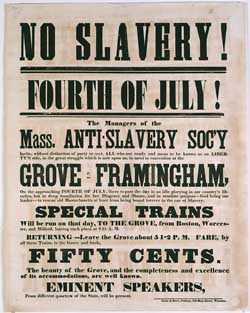
Rethinking the 4th of July by Bill Bigelow (from the Zinn Education Project’s If We Knew Our History series). The Fourth of July’s yahoo of fireworks turns an immensely complicated time in U.S. history into a cartoon of miseducation. As Bigelow explains in this piece from our If We Knew Our History series, there is a lot that complicates the events surrounding the Fourth of July and the Revolutionary War. Re-examining the Revolution by Ray Raphael. Based on his book Founding Myths, Raphael critiques the textbook portrayal of the American Revolution. The textbooks say that “a few special people forged American freedom” which “misrepresents, and even contradicts, the spirit of the American Revolution.” Untold Truths About the American Revolution by Howard Zinn. As he explains, the American Revolution was not a simple affair of all of us against all of them. And who actually gained from it? Not the Native Americans. A People’s Constitution: Some Truths Are Not Self-Evident by Howard Zinn. He writes that “the Constitution, whatever its language and however interpreted by the Supreme Court, does not determine the degree of justice, liberty, or democracy in our society.” U.S. History at 250 Series published by the Organization of American Historians includes articles on Indigenous North America, revolutions of the late-18th century, and more. |
Interviews and Podcasts
|
|
The Indigenous Origins of the American Revolution class with Ned Blackhawk, hosted by the Zinn Education Project The Counter-Revolution of 1776: Origins of the United States of America Democracy Now! interview with Gerald Horne The Land That Never Has Been Yet podcast series by Scene on Radio, produced by John Biewen with co-host Chenjerai Kumanyika. See “Episode 1: Rich Man’s Revolt” and “Episode 2: ‘The Excess of Democracy'” U.S. Constitution podcast series by The Dig, hosted by Daniel Denvir in conversation with Aziz Rana. We Refuse: A Forceful History of Black Resistance class with Kellie Carter Jackson (from the Zinn Education Project’s Teach the Black Freedom Struggle series) |
Poster
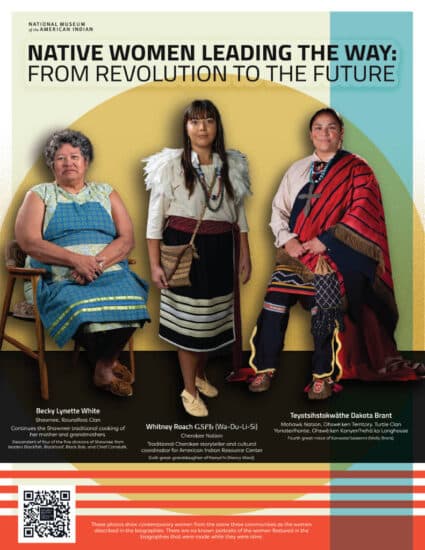
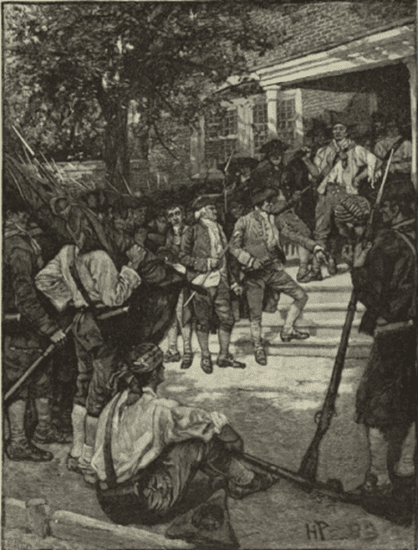
This teaching poster from the Smithsonian’s National Museum of the American Indian focuses on three Native American women whose actions were historically significant during the American Revolution. VideosThese are short, classroom-friendly films and film clips. American Revolution episode in the Crash Course series on Black American History by Clint Smith People v. Job Shattuck 1975 National Geographic Society film The Purpose of Checks and Balances by Robert Ovetz Robert Ovetz, author of We the Elites: Why the U.S. Constitution Serves the Few, explains how the U.S. political system was designed to constrain political democracy and prevent economic democracy. |
|
Resource Compilations for the Semiquincentennial
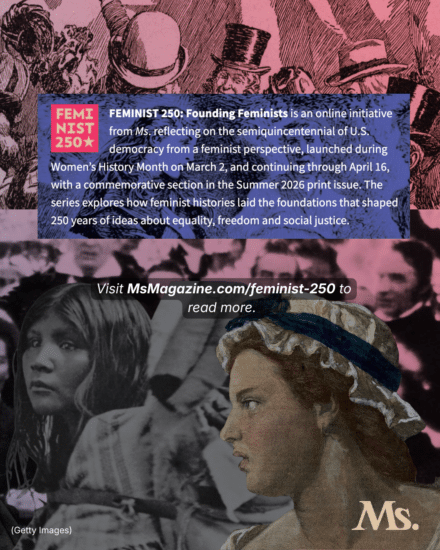
Ms. Magazine: Feminist 250 is an online initiative reflecting on the U.S. Semiquincentennial from a feminist perspective. The series is guest-edited by Janell Hobson.

Kinfolk Ourchives: A People’s History of America’s 250th is an initiative that highlights the contradictions and sheds light on the histories and contemporary people who resisted imperialism, racial capitalism, sexism, and other forms of domination.
This Day In History
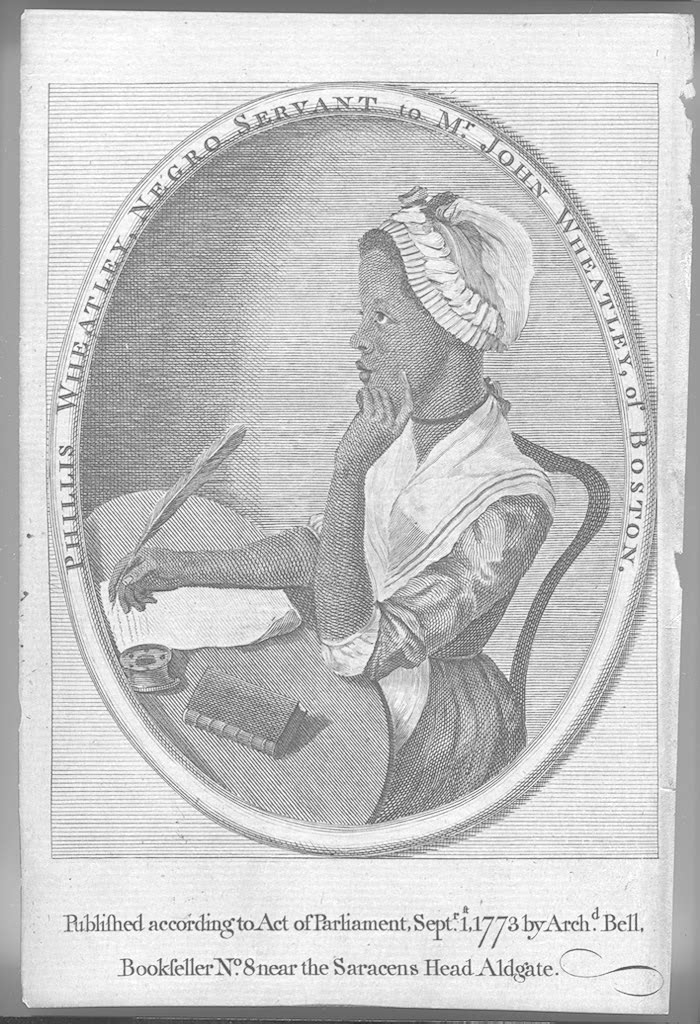
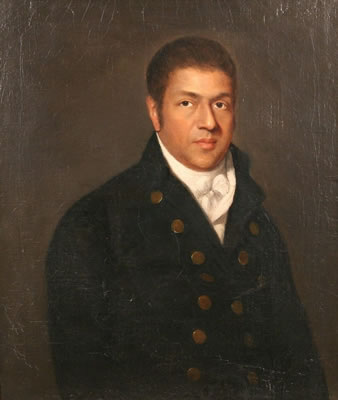
The dates below come from our This Day in People’s History collection, which contains hundreds of entries all searchable by date, state, theme, and keywords.
Frequently Asked Questions
To prepare for media interviews and anyone else with questions, we developed a list of FAQs and suggested responses. Find more guidance on our Teach Truth Media Guide. Let us know if you use these FAQs and if you have suggested edits or additions.
Share Your Story
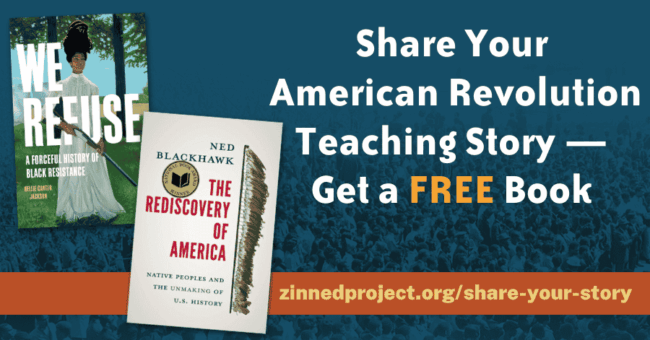
We can offer you a copy of The Rediscovery of America: Native Peoples and The Unmaking of U.S. History by Ned Blackhawk or We Refuse: A Forceful History of Black Resistance by Kellie Carter Jackson in appreciation for teaching stories about using any of the lessons we list in the curriculum section above.
Both books provide readings on the American Revolution and the Constitution. Share your story and indicate your book preference on the form.


Twitter
Google plus
LinkedIn