Teaching Activity. By Tiferet Ani and Mimi Eisen. 2026. 27 pages.
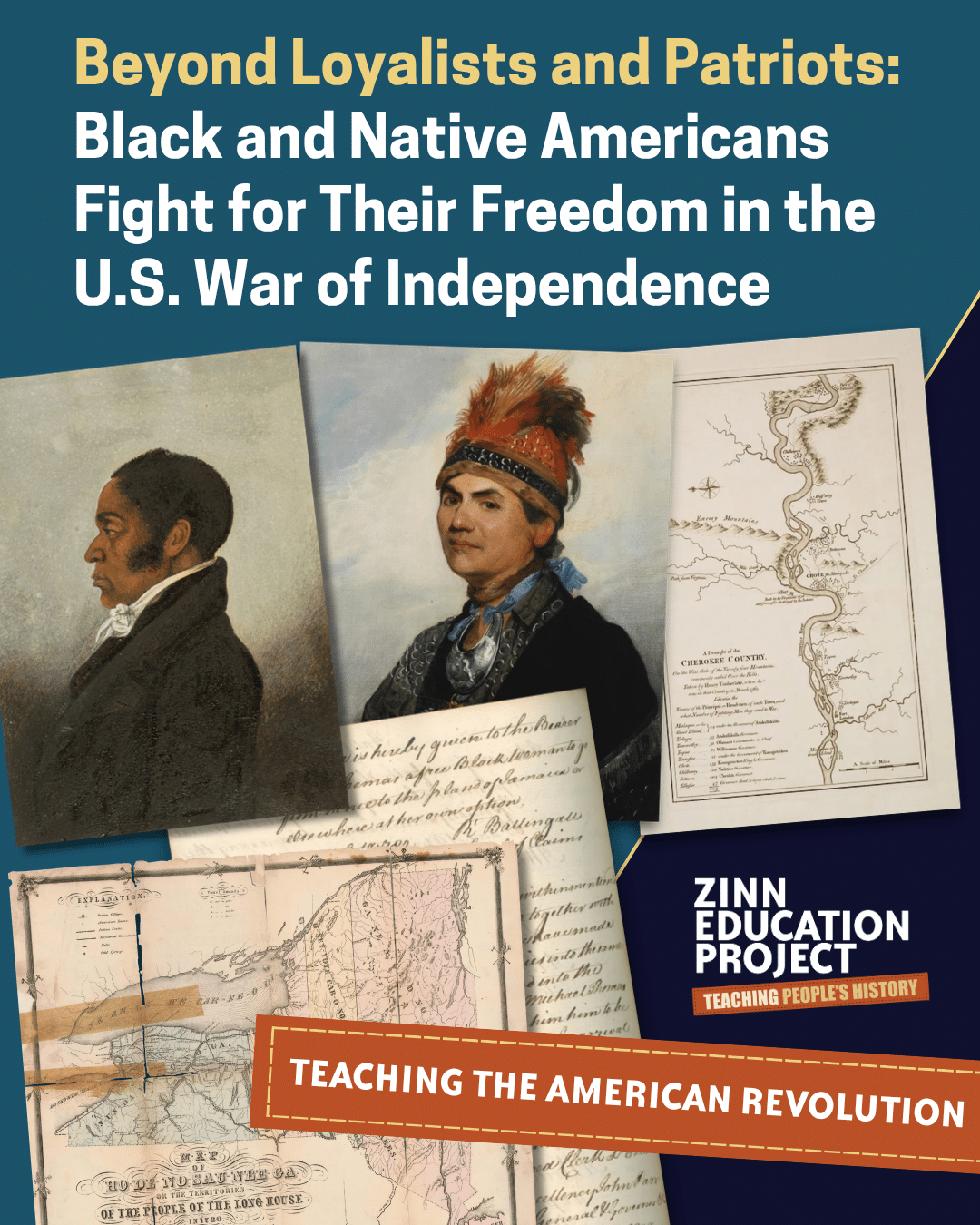
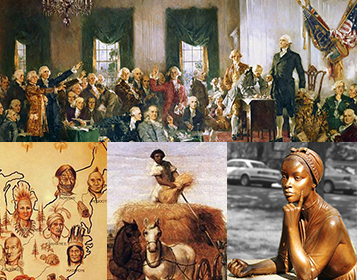
In this mixer lesson, students surface choices and outcomes navigated by an array of Black and Indigenous people in the American Revolution to examine what freedom meant to those excluded from it at the U.S. founding.
Continue reading
Teaching Activity. By Erin Green. 2025. Rethinking Schools.
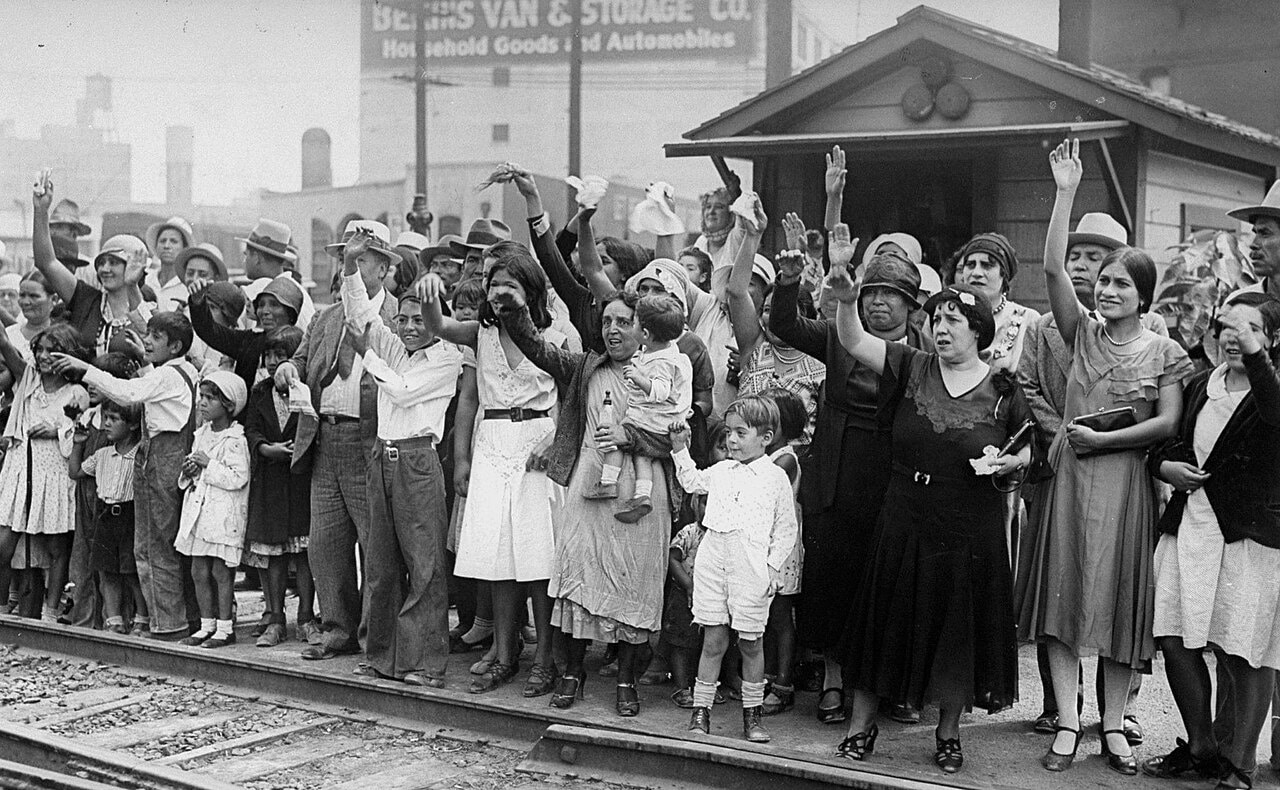
A 5th-grade teacher engages students in a unit on the forced deportation of 2 million Mexicans and Mexican Americans from the United States during the Great Depression.
Continue reading
Teaching Activity. By Jesse Hagopian. 2026. 24 pages.
Students are invited to explore competing explanations for U.S. intervention in Venezuela and then develop their own hypothesis.
Continue reading
Teaching Activity. By Jeanne Theoharis and Jessica Lovaas. 2026. 10 pages.
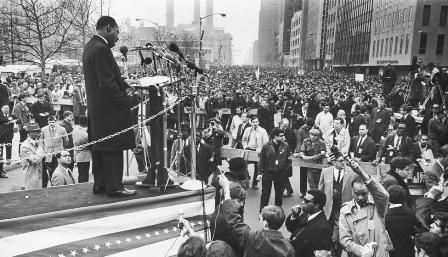
Reading, discussion questions, and activity about Martin Luther King's activism in New York on labor rights, police brutality, housing, and education. The reading is from a chapter in King of the North: Martin Luther King’s Freedom Struggle Outside of the South.
Continue reading
Teaching Activity. By Jesse Hagopian. 40 pages.
A lesson to help students consider not just what the Constitution says, but what it leaves out.
Continue reading
Teaching Activity. By Nicolle Fefferman. Rethinking Schools. 2025. 7 pages.
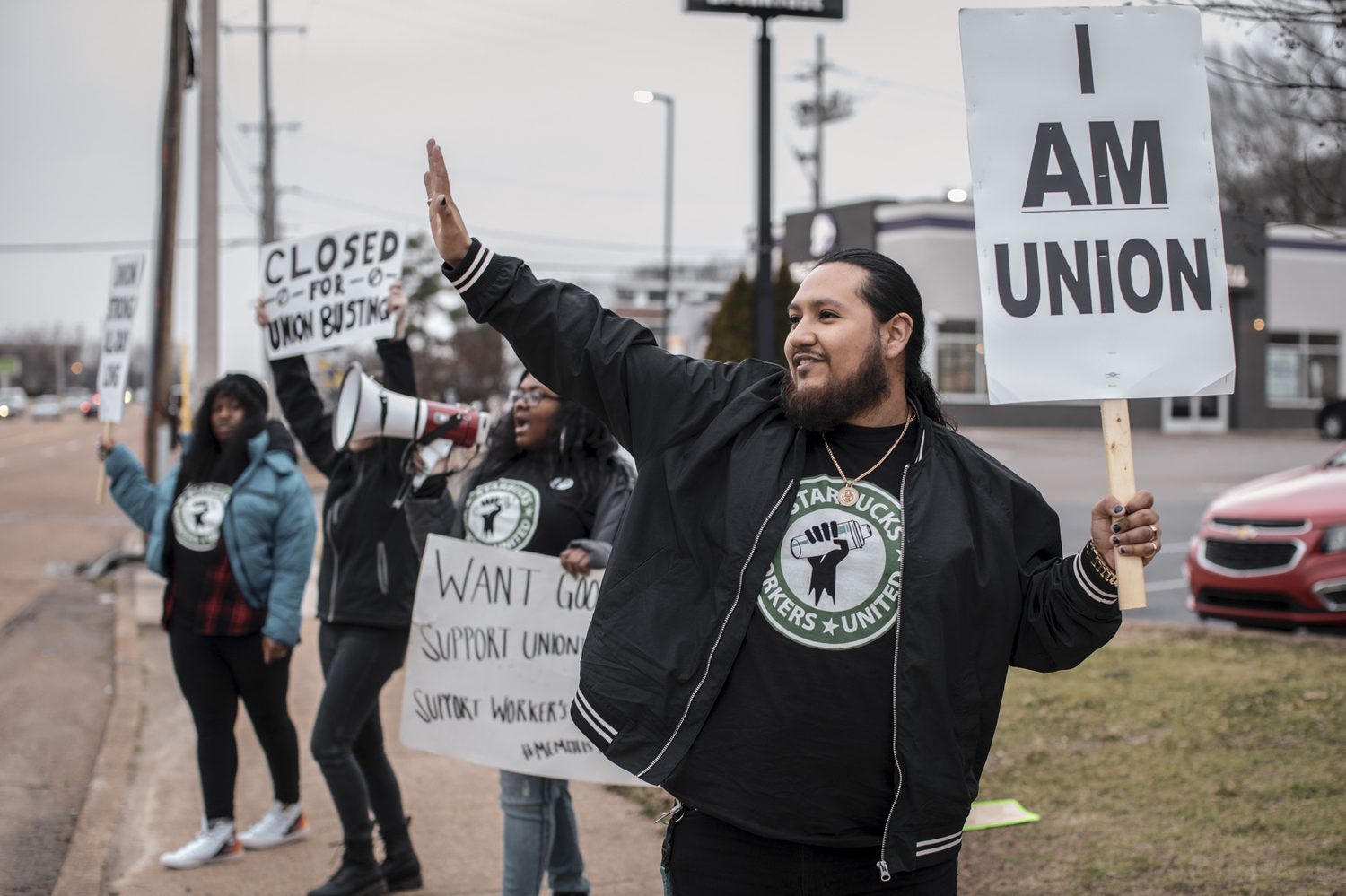
The director of the Young Workers Education Project and a Prentiss Charney Fellow describes a high school simulation based on recent Starbucks workers’ organizing.
Continue reading
Teaching Activity. By Mimi Eisen. 2025. 51 pages.
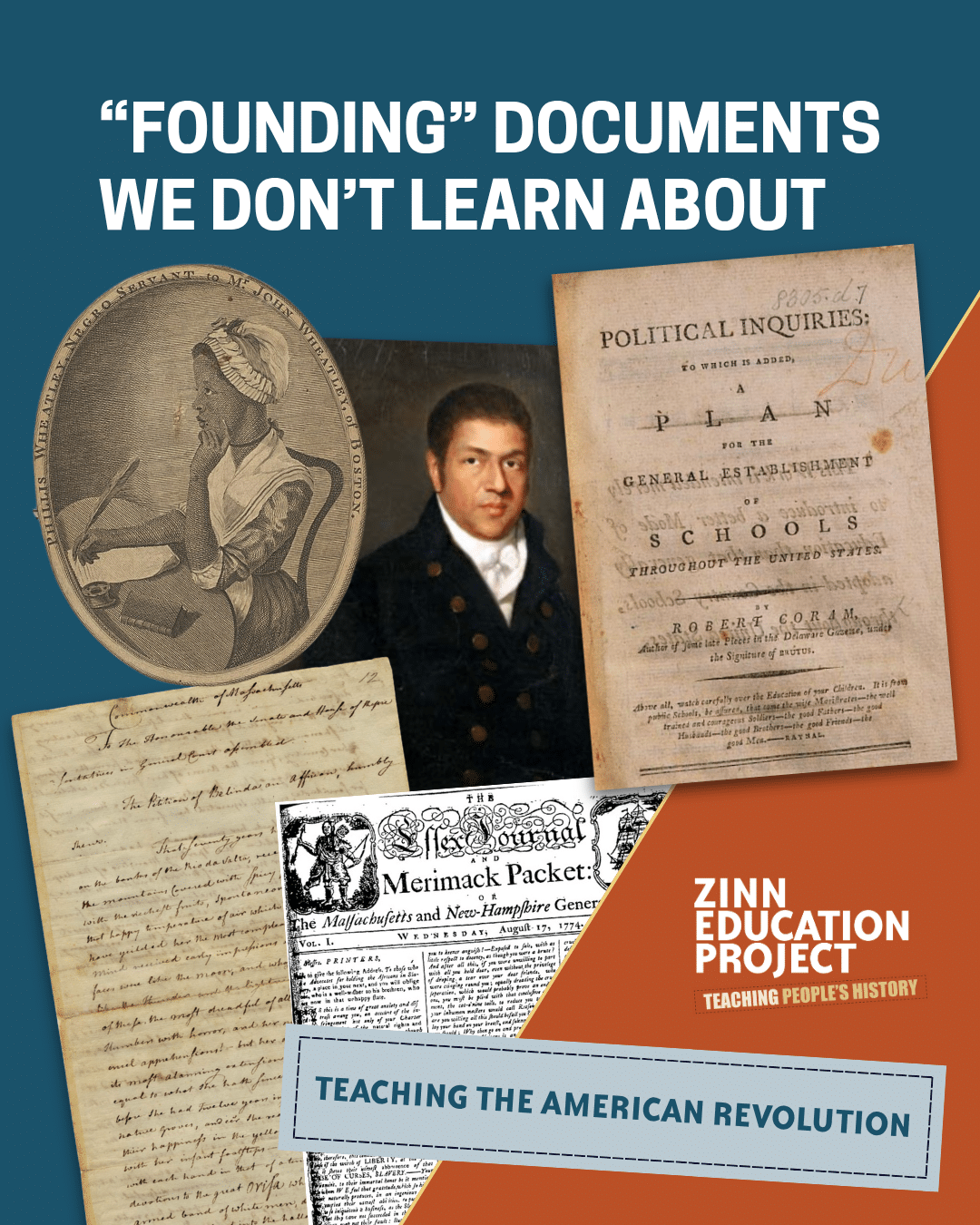
A set of primary source documents and teaching activities reveal a profound cast of voices from the era of the American Revolution. None of them are “Founding Fathers.”
Continue reading
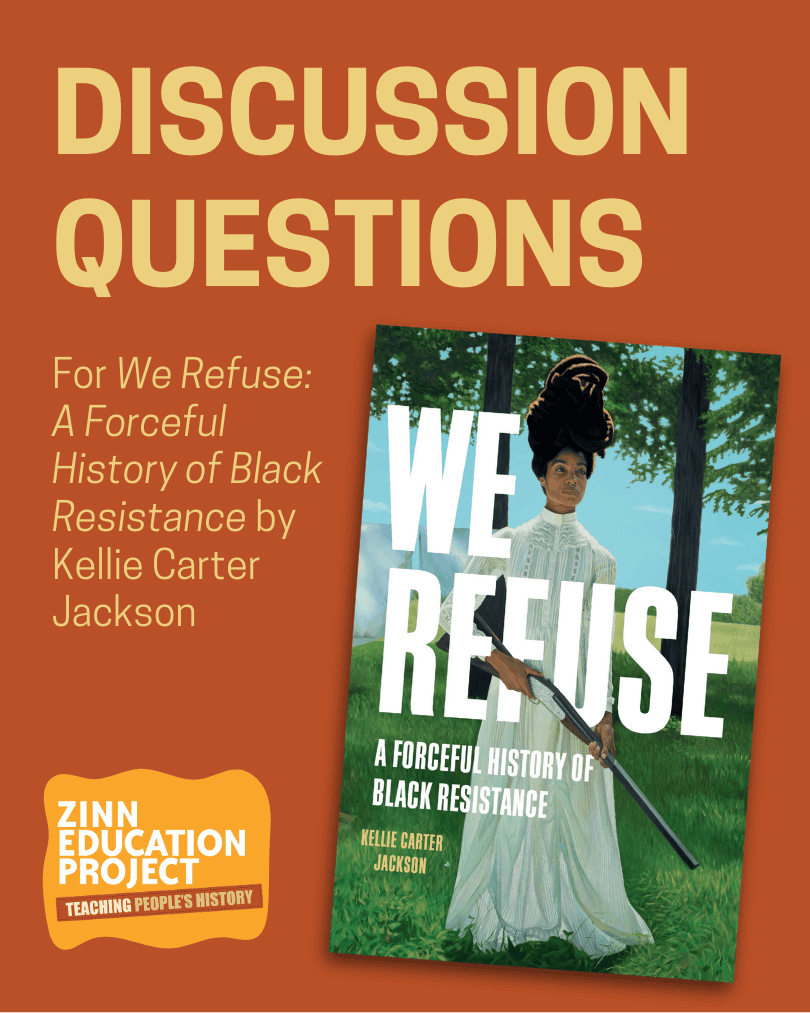
Questions to accompany Chapter One: Revolution of We Refuse: A Forceful History of Black Resistance by Kellie Carter Jackson.
Continue reading
Teaching Activity. By Suzanna Kassouf. 2023. Rethinking Schools.
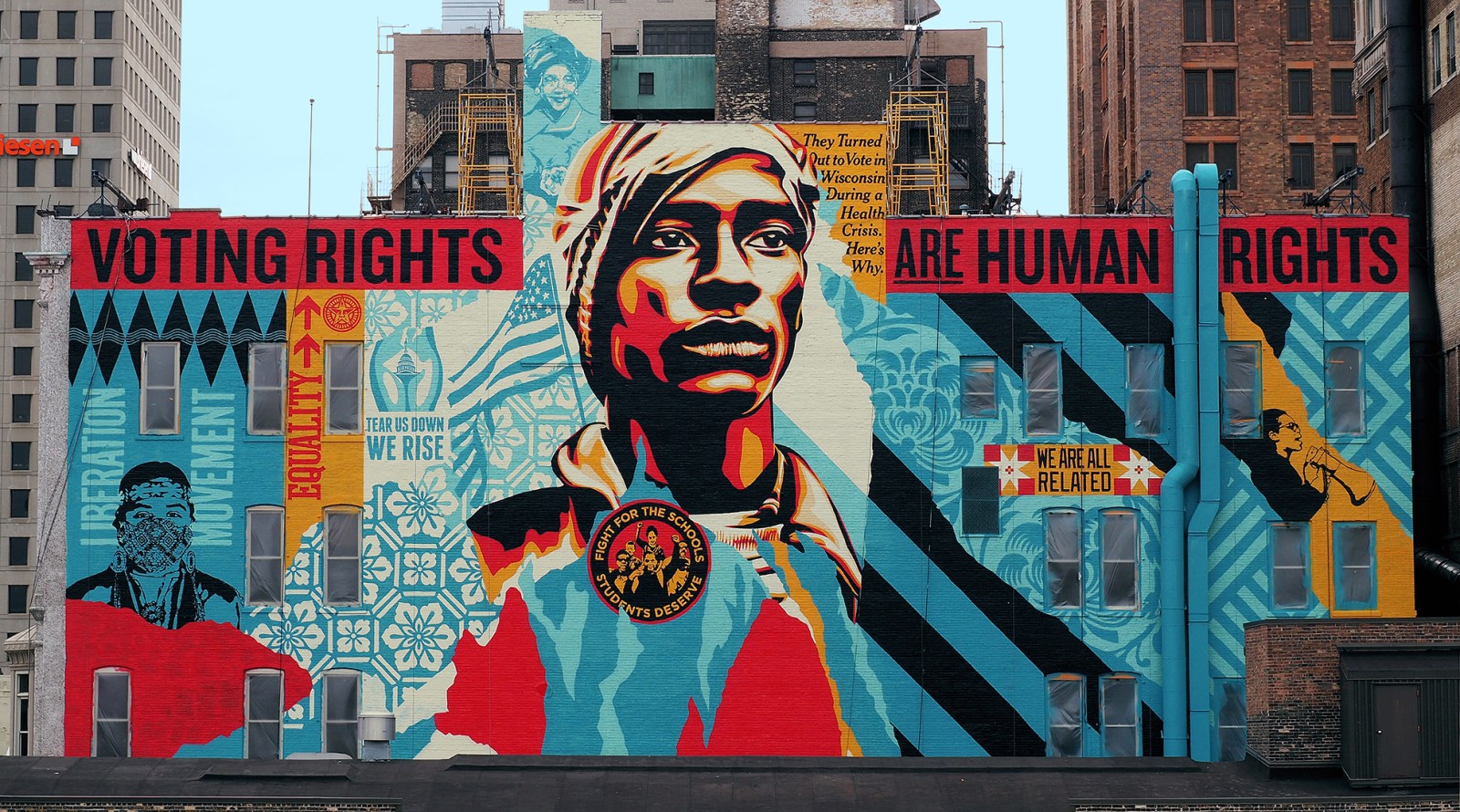
To imagine a better future, high school students role-play activists at a visioning conference and then create murals.
Continue reading
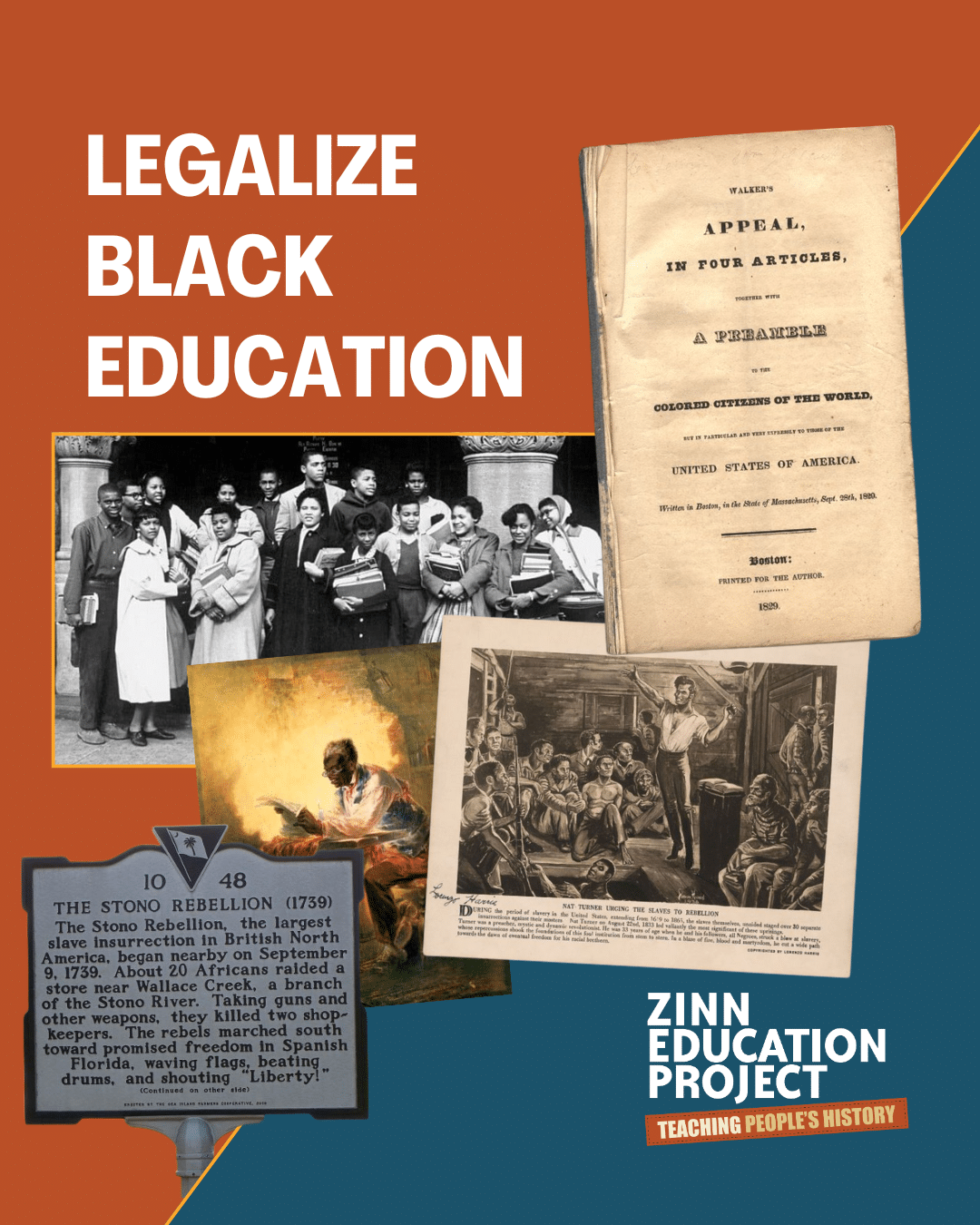
Teaching Activity. By Jesse Hagopian. 2025. 40 pages.
This lesson explores major examples of laws passed to suppress Black education in the wake of major victories for the Black Freedom Struggle, highlighting the historical context and motivations behind these legislative efforts.
Continue reading
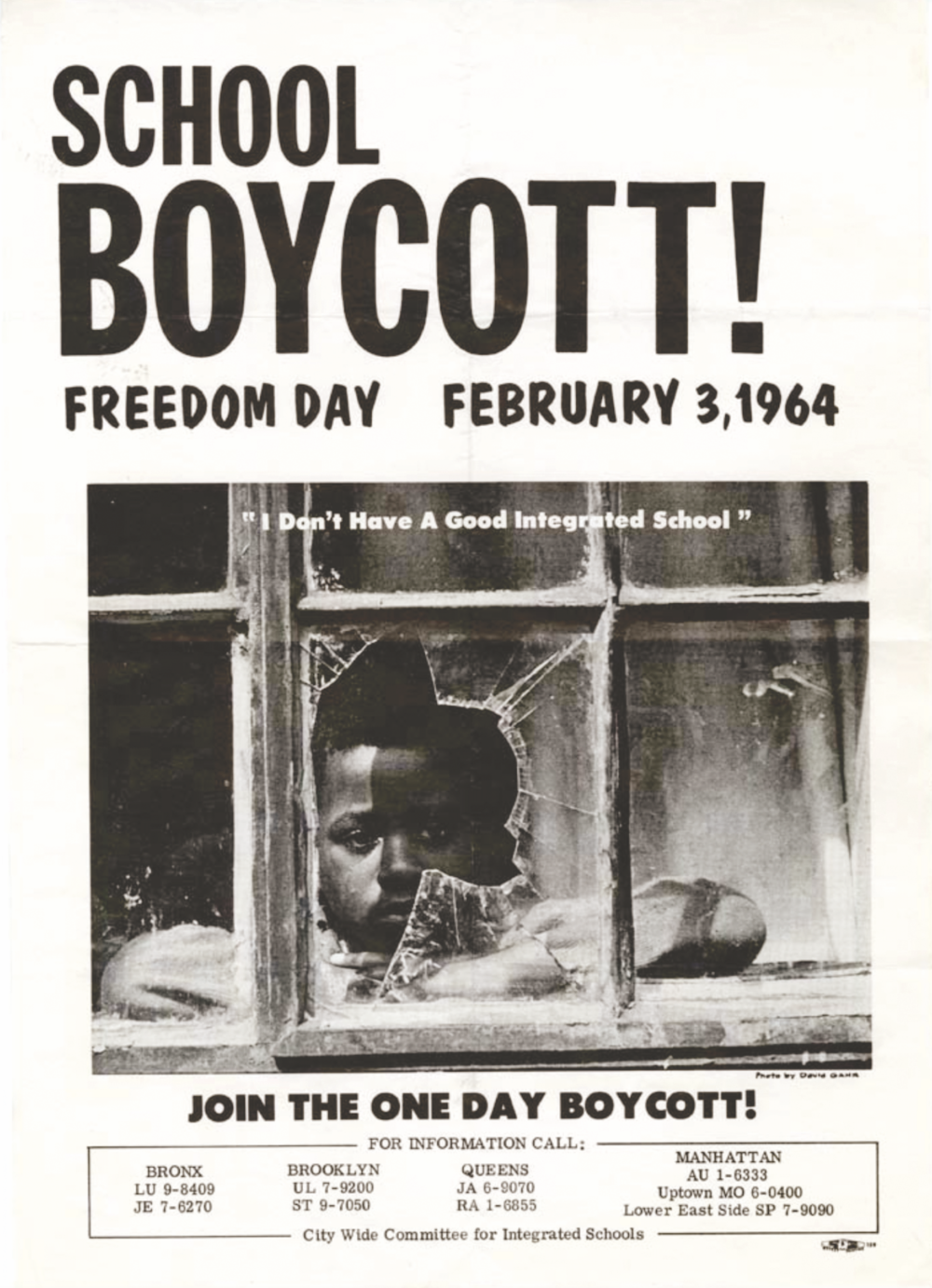
Teaching Activity. By Adam Sanchez. Rethinking Schools.
This lesson and accompanying article teach about the largest civil rights protest of the 1960s was in New York City, when hundreds of thousands of students stayed home to protest school segregation.
Continue reading
Teaching Activity. By Nick Palazzolo. Rethinking Schools. 2025. 74 pages.
A dilemma-based, problem-solving lesson on the history of the fight for queer liberation in the United States.
Continue reading
Teaching Activity. By Matt Vriesman. 60 pages.
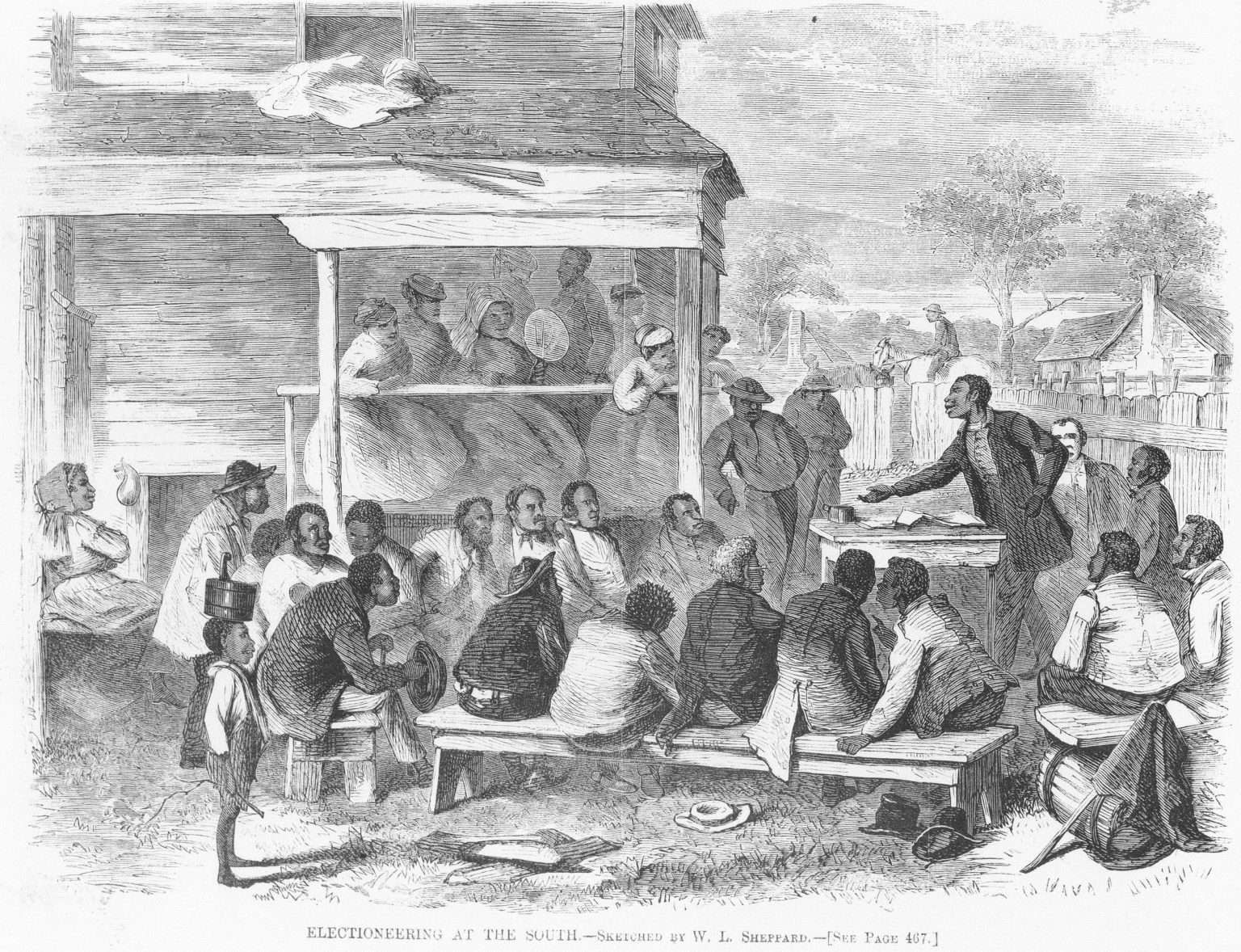
A three-day lesson that engages students in historiography, primary sources, pop-up debates, and blackout poetry to explore the profound hopes, losses, and legacies of Reconstruction.
Continue reading
Teaching Activity. By Bill Bigelow. 2025. 36 pages.
This is a unit with three lessons. The first invites students to think critically about key issues that confronted the framers of the Constitution — examining the perspectives not only of the elites attending the actual Constitutional Convention, but also of enslaved African Americans, poor white farmers, and white workers. The other two lessons are: The Constitutional Convention: Who Really Won? — with students exploring whose interests the Constitution advanced — and Federalist Paper #10: Suppressing “Wicked Projects,” a critical reading activity on James Madison's seminal defense of the Constitution.
Continue reading
Teaching Activity. By Jesse Hagopian. 2025. 19 pages.
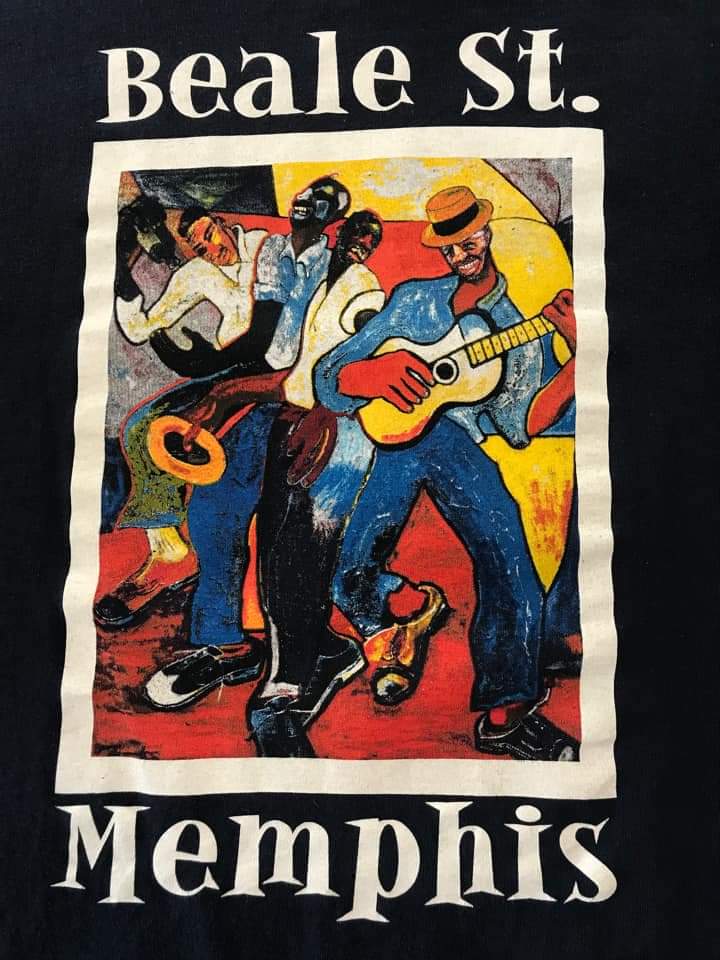
A lesson for the 250th anniversary of the U.S. founding exploring the blues as both a cultural art form and a vehicle for political resistance.
Continue reading
Teaching Activity. By Hannah Gann, Nick Palazzolo, Keziah Ridgeway, and Adam Sanchez. Rethinking Schools. 2024. 23 pages.
This lesson highlights the complexity and diversity of thought as Civil Rights and Black Power leaders and organizations developed their views on Palestine-Israel.
Continue reading
Teaching Activity. By Gretchen Kraig-Turner. 2024. Rethinking Schools.
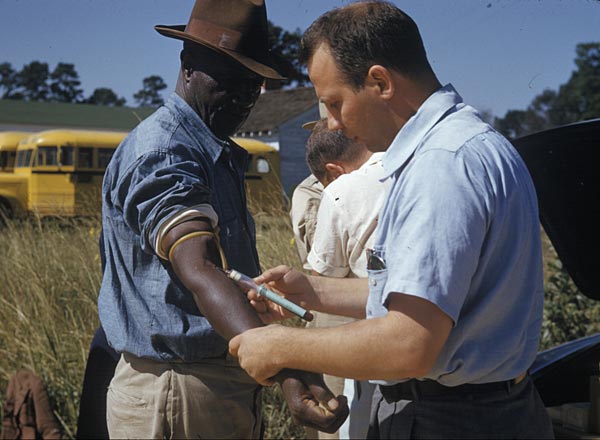
A high school science teacher revises her lesson on the USPHS Untreated Syphilis Study at Tuskegee to center resistance.
Continue reading
Teaching Activity. By Adam Sanchez. Rethinking Schools.
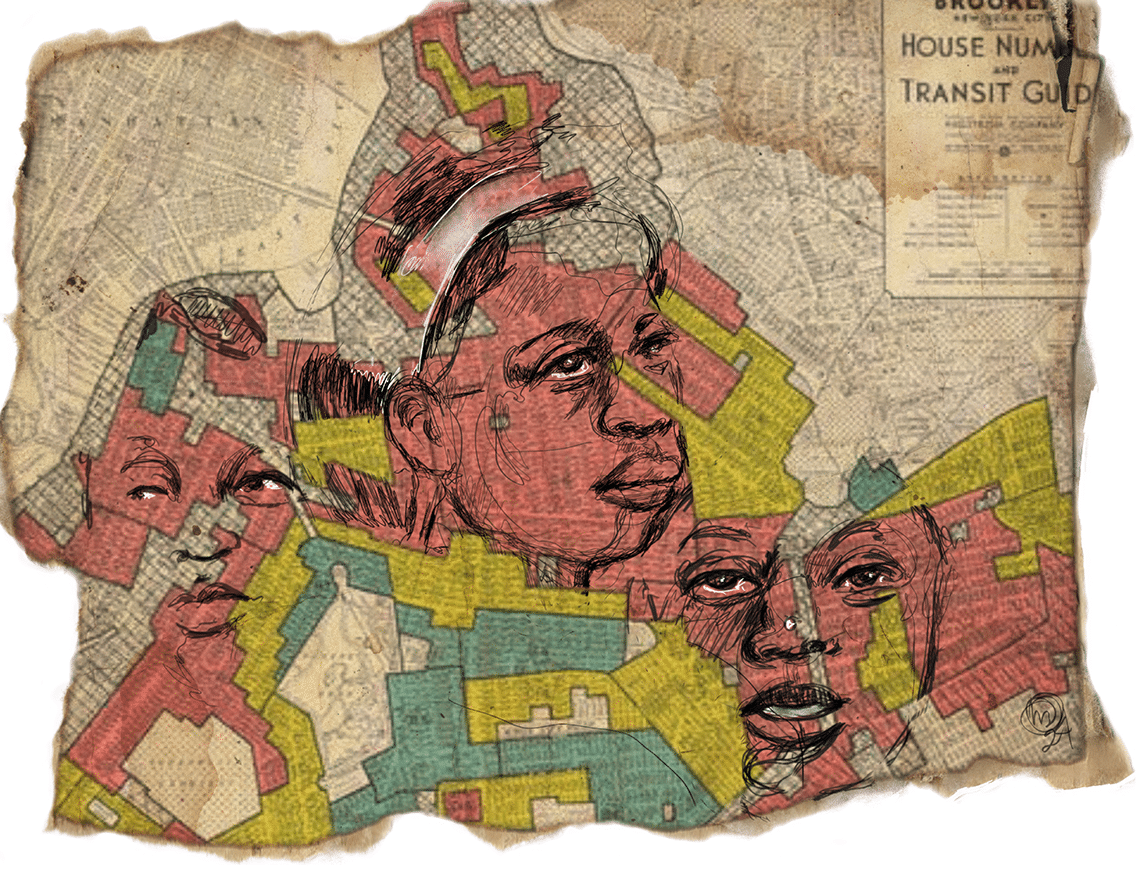
A high school social studies teacher describes a classroom simulation where students experience the effects of decades of racist federal housing policies.
Continue reading
Teaching Activity. By Bill Bigelow. 2024. 33 pages.
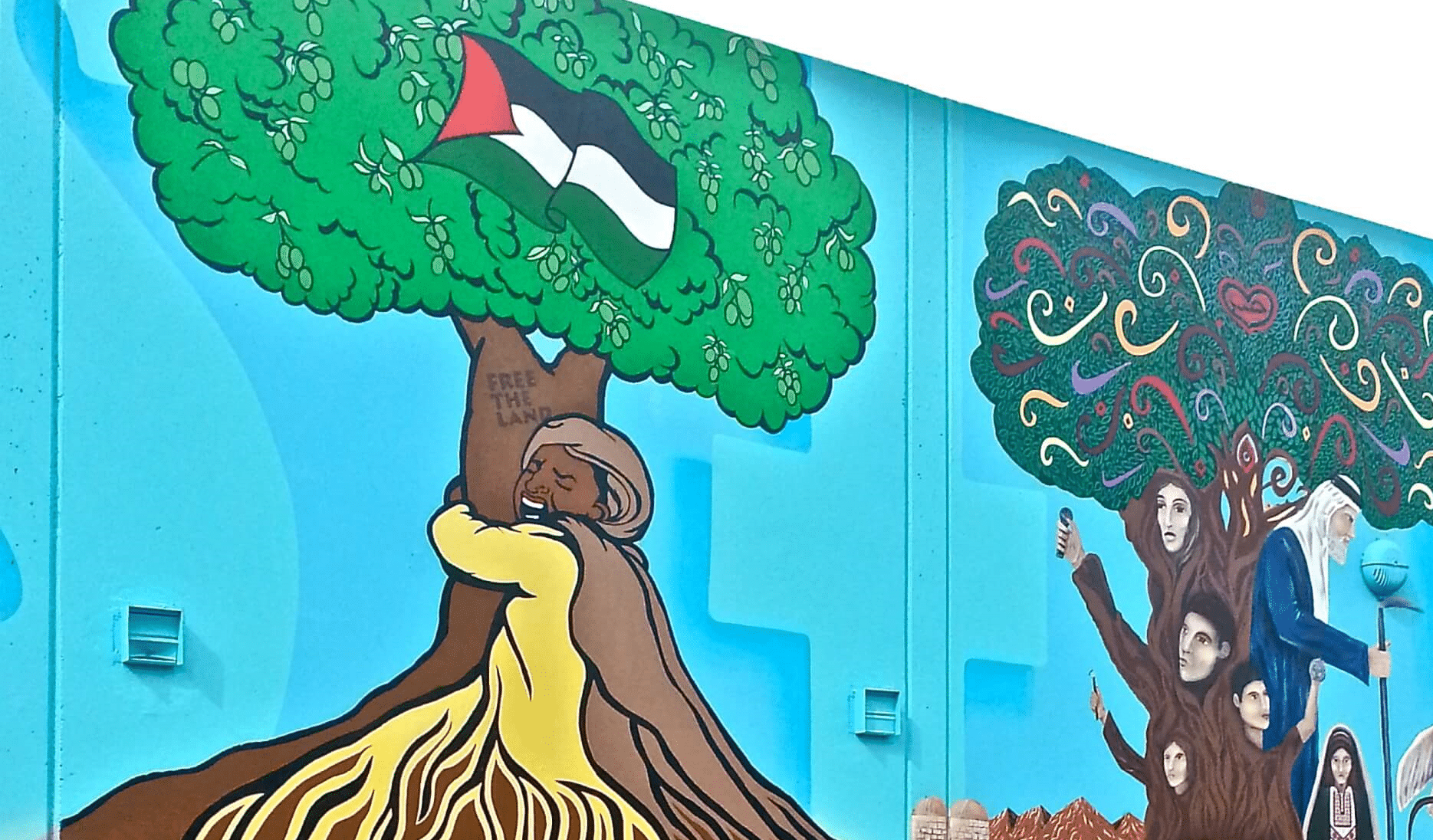
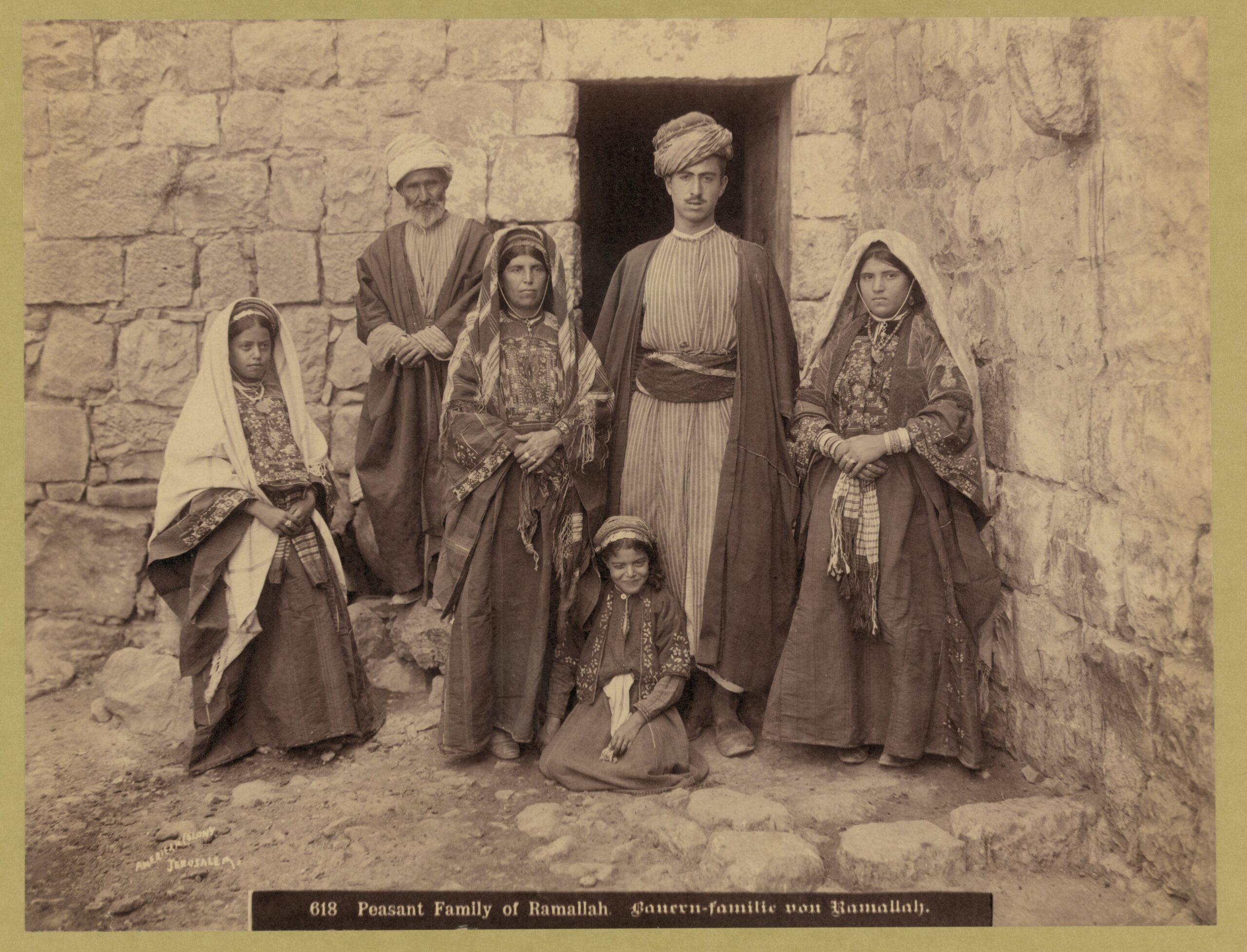
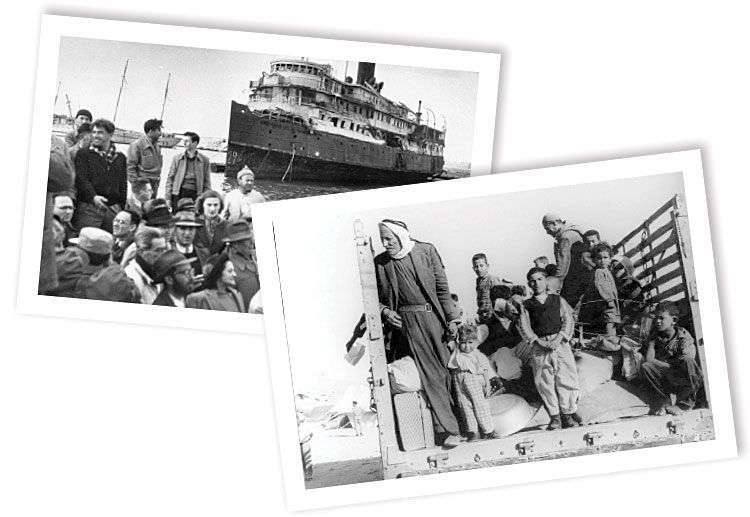
A mixer/mystery activity on Zionism, anti-Zionism, peasant resistance, the Great War, the British Mandate, and more.
Continue reading
Teaching Activity. By Ursula Wolfe-Rocca.
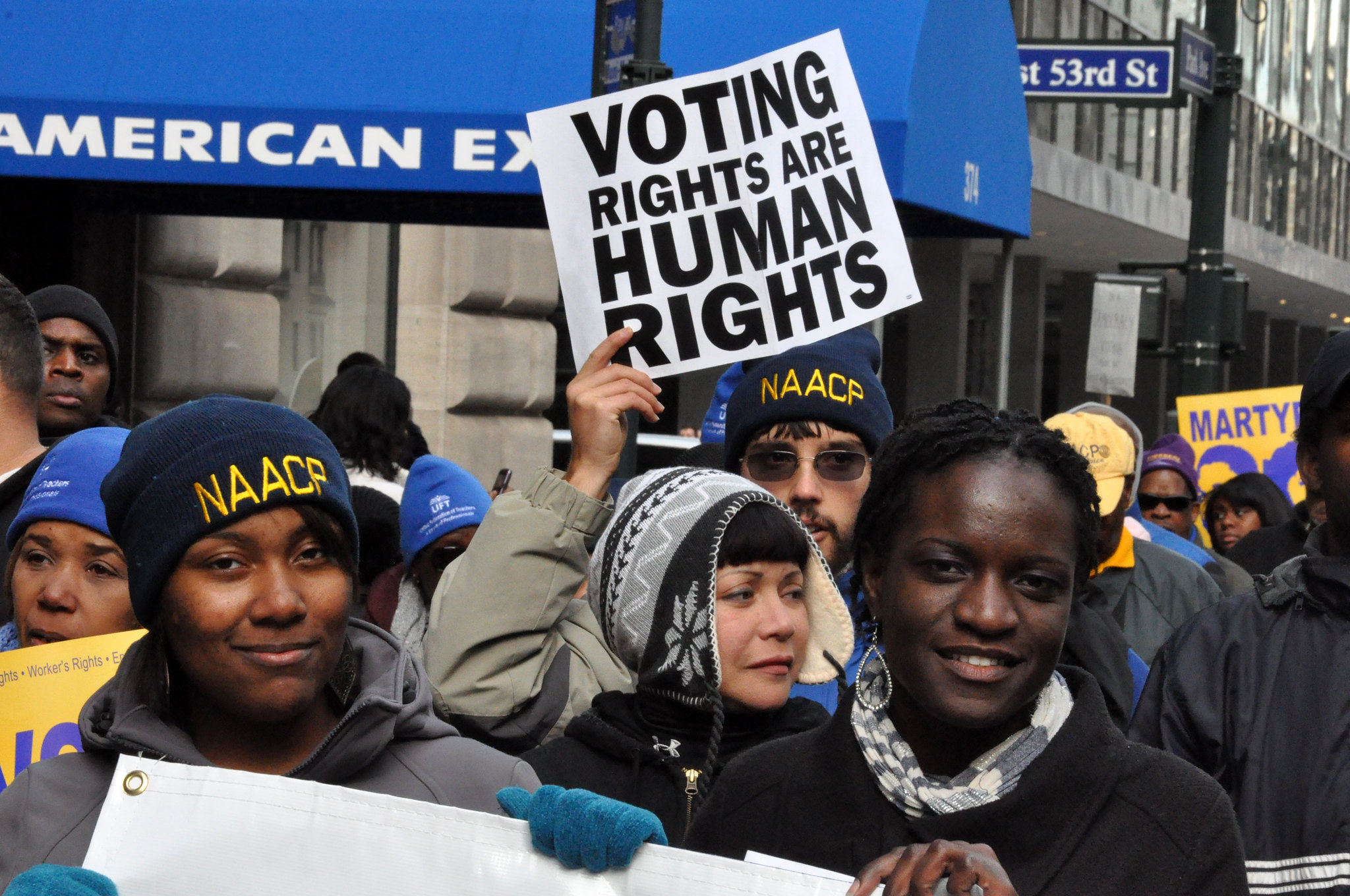
Unit with three lessons on voting rights, including the history of the struggle against voter suppression in the United States.
Continue reading
Teaching Activity. By Ursula Wolfe-Rocca, Bill Bigelow, and Andrew Duden. Article by Ursula Wolfe-Rocca. Rethinking Schools. 15 pages.
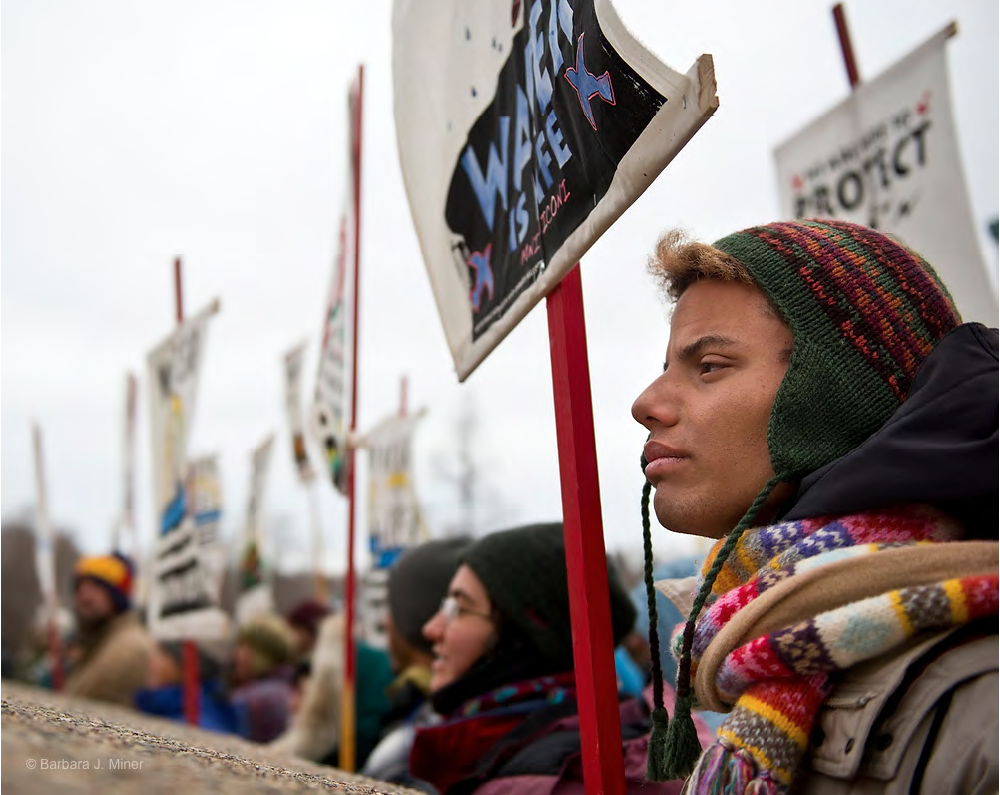
A role play helps students recognize the issues at stake in the historic struggle of the Standing Rock Sioux to block construction of the Dakota Access oil pipeline.
Continue reading
Teaching Activity. By Bill Bigelow. Rethinking Schools. 7 pages.
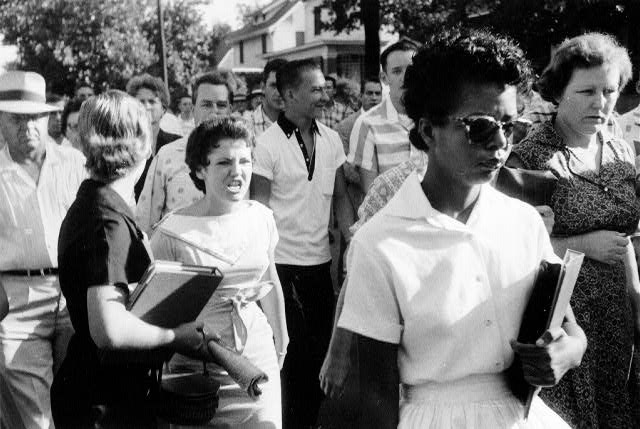
A companion lesson to the Eyes on the Prize segment on school desegregation.
Continue reading
Teaching Activity. By Bill Bigelow. 10 pages.
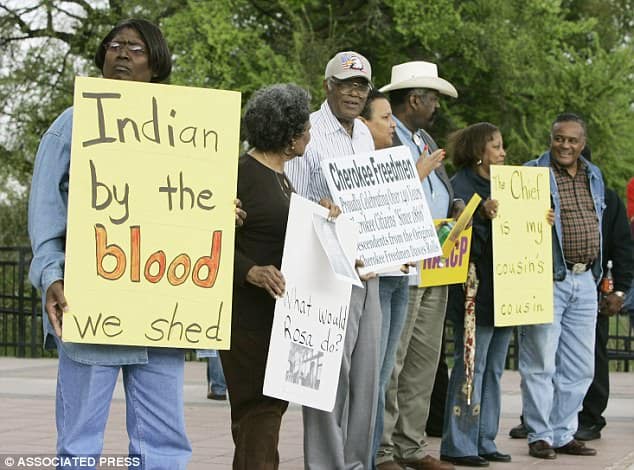
What led up to the Trail of Tears? In this lesson, students learn about the decision to remove the Cherokee and Seminole people from their lands.
Continue reading
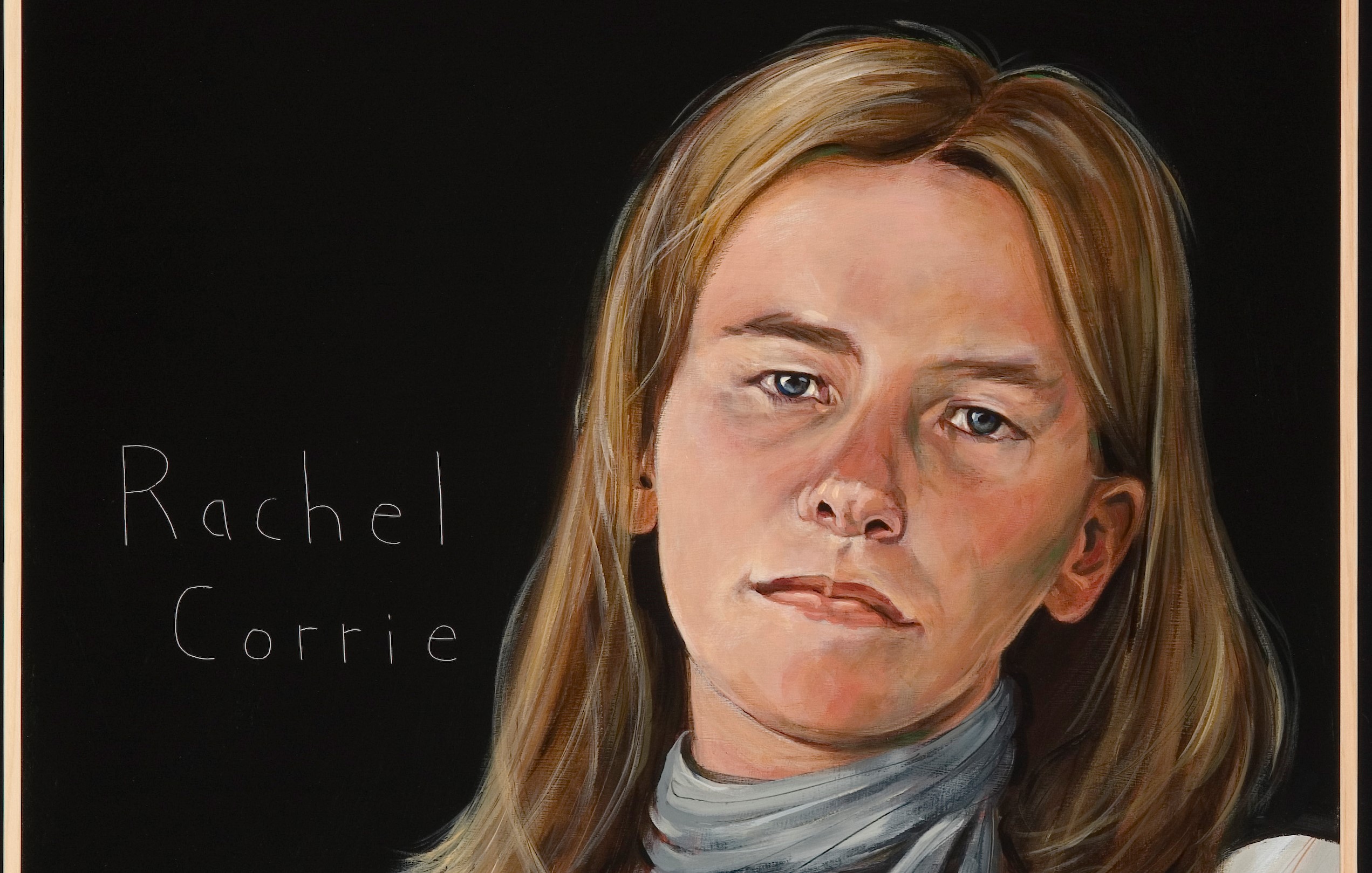
Letters to her family from 23-year-old U.S. peace activist Rachel Corrie, who was killed in 2003 while trying to prevent the Israeli army from destroying homes in the Gaza Strip. Followed by questions by Bill Bigelow for classroom discussion.
Continue reading
Teaching Activity. By Samia Shoman. Rethinking Schools. 2014.
A social studies teacher uses conflicting narratives to engage students in studying the history of Palestine and Israel, focusing on the events of 1948.
Continue reading