

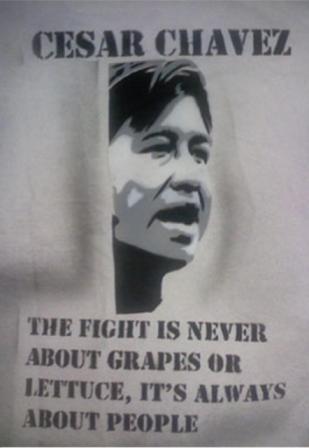
Stenciling Dissent: A Student Project Draws on the Language of the Streets
Teaching Activity. By Andrew Reed. Rethinking Schools. 5 pages.
Teaching activity connects students to history of art as a means of protest and gives them opportunity and skills to create their own stencil with a powerful message.
Continue reading
Teaching activity connects students to history of art as a means of protest and gives them opportunity and skills to create their own stencil with a powerful message.
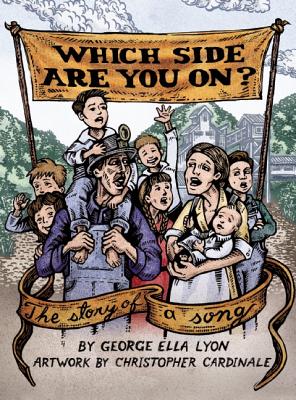
Which Side Are You On?: The Story of a Song
Picture book. By George Ella Lyon. Artwork by Christopher Cardinale. 2011. 40 pages.
This children's book tells the story of a classic union song written in 1931 and the harsh conditions under which it was written.
Continue reading
This children's book tells the story of a classic union song written in 1931 and the harsh conditions under which it was written.
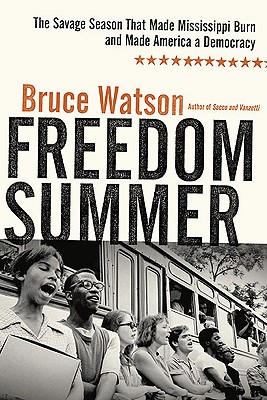
Freedom Summer
Book — Non-fiction. By Bruce Watson. 2010. 384 pages.
A history of Freedom Summer, the pivotal period of the Civil Rights Movement in 1964 Mississippi.
Continue reading
A history of Freedom Summer, the pivotal period of the Civil Rights Movement in 1964 Mississippi.

Howard Zinn: You Can’t Be Neutral on a Moving Train
Film. By Deb Ellis and Denis Mueller. 2010. 78 minutes.
Documentary on life and work of Howard Zinn.
Continue reading
Documentary on life and work of Howard Zinn.
A People’s History of the United States: 1492 – Present
Book — Non-fiction. By Howard Zinn. 2005, with a new introduction by Anthony Arnove in 2015. 784 pages.
Howard Zinn's groundbreaking work on U.S. history. This book details lives and facts rarely included in textbooks—an indispensable teacher and student resource.
Continue reading
Howard Zinn's groundbreaking work on U.S. history. This book details lives and facts rarely included in textbooks—an indispensable teacher and student resource.
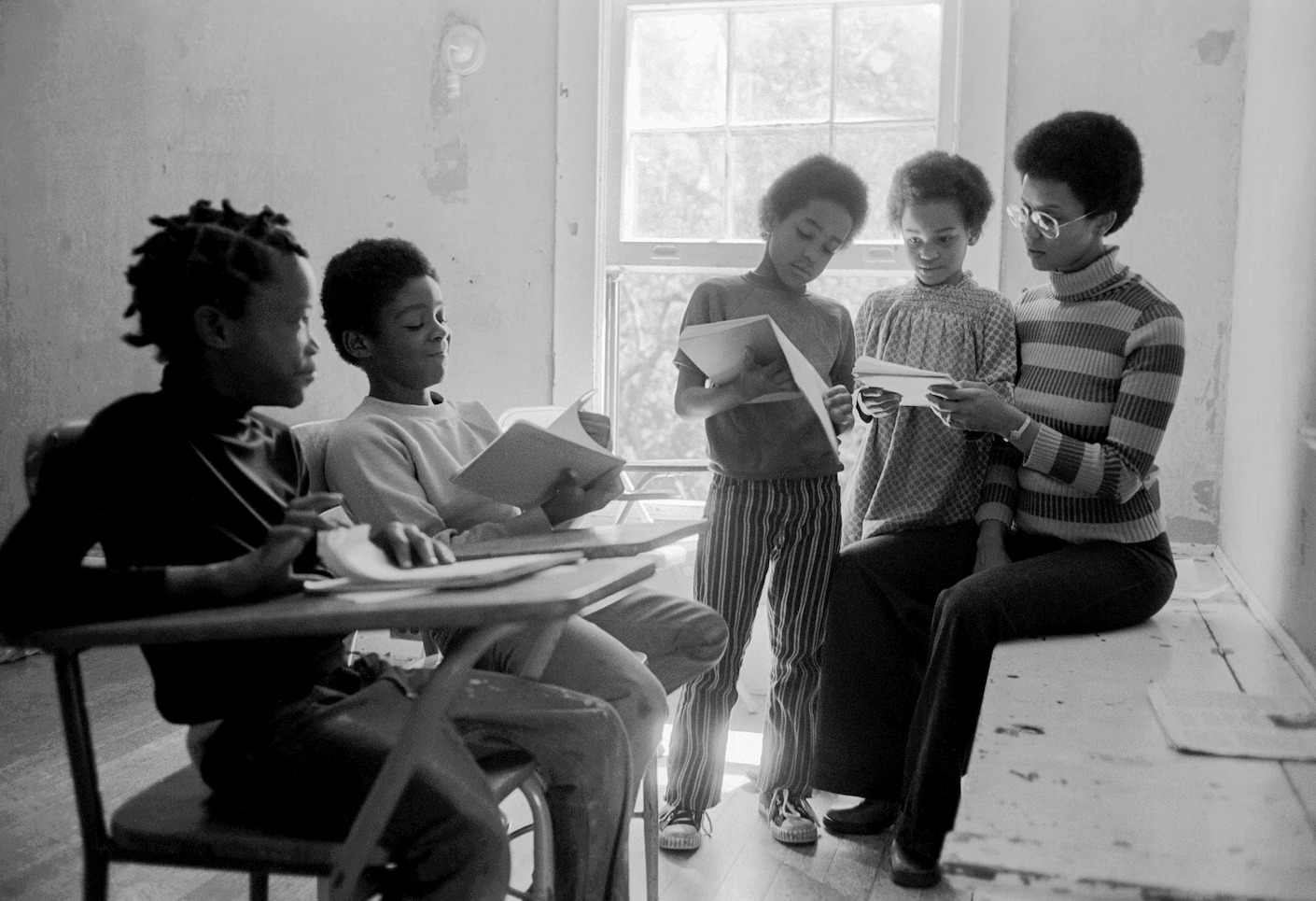
‘What We Want, What We Believe’: Teaching with the Black Panthers’ 10-Point Program
Teaching Activity. By Wayne Au. Rethinking Schools. 7 pages.
How students can use the Black Panther Party's 10-Point Program to assess issues in their own communities and to develop 10-Point Programs of their own. Available in Spanish.
Continue reading
How students can use the Black Panther Party's 10-Point Program to assess issues in their own communities and to develop 10-Point Programs of their own. Available in Spanish.
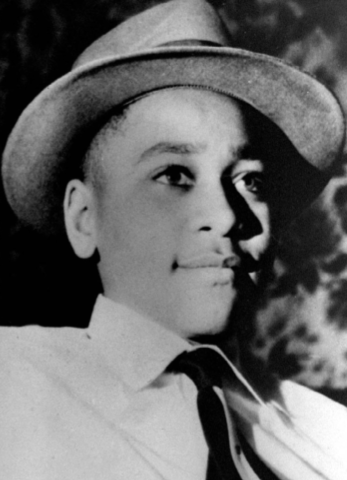
‘We Had Set Ourselves Free’: Lessons on the Civil Rights Movement
Teaching Activity. By Doug Sherman. Rethinking Schools. 4 pages.
The author describes how he uses biographies and film to introduce students to the role of people involved in the Civil Rights Movement beyond the familiar heroes. He emphasizes the role and experiences of young people in the Movement.
Continue reading
The author describes how he uses biographies and film to introduce students to the role of people involved in the Civil Rights Movement beyond the familiar heroes. He emphasizes the role and experiences of young people in the Movement.
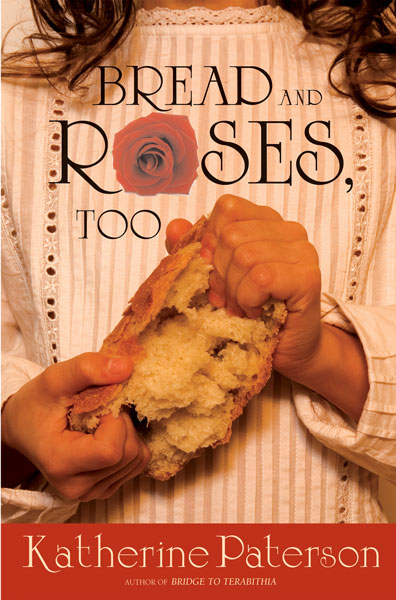
Bread and Roses, Too
Book — Fiction. By Katherine Paterson. 2006. 275 pages.
Moving young adult historical-fiction novel based on a major strike in Lawrence, Mass., in 1912.
Continue reading
Moving young adult historical-fiction novel based on a major strike in Lawrence, Mass., in 1912.
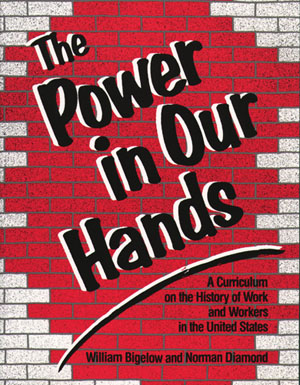
The Power in Our Hands: A Curriculum on the History of Work and Workers in the United States
Teaching Guide. By Bill Bigelow and Norm Diamond. 1988. 184 pages.
Role plays and writing activities project high school students into real-life situations to explore the history and contemporary reality of employment (and unemployment) in the U.S.
Continue reading
Role plays and writing activities project high school students into real-life situations to explore the history and contemporary reality of employment (and unemployment) in the U.S.
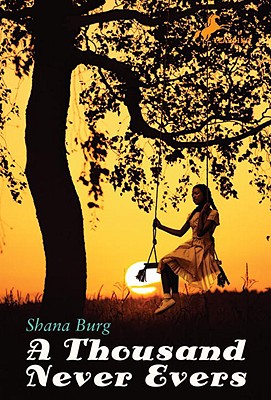
A Thousand Never Evers
Book — Fiction. By Shana Burg. 2008. 320 pages.
Set in 1963 Mississippi, this historical fiction introduces middle/high school readers to the life at that time through the experiences of a 12-year-old.
Continue reading
Set in 1963 Mississippi, this historical fiction introduces middle/high school readers to the life at that time through the experiences of a 12-year-old.