“We Had Set Ourselves Free”: Lessons on the Civil Rights Movement
Teaching Activity PDF. By Doug Sherman. 4 pages.
The author describes how he uses biographies and film to introduce students to the role of people involved in the Civil Rights Movement beyond the familiar heroes. He emphasizes the role and experiences of young people in the Movement.
Download PDF.
The Civil Rights Movement lies at the margins of my memory. For today’s high school students, it is a generation or more distant. In spite of good intentions, when the new year brings the anniversary of the Rev. Martin Luther King Jr.’s birthday and Black History Month, school activities often reduce the Civil Rights Movement to a scenario of ‘heroic leader and brave followers.’
Less often explored is the experience of those whose everyday lives intersected with the struggle, and who responded with the kind of life-changing decisions that formed the heart of the movement.
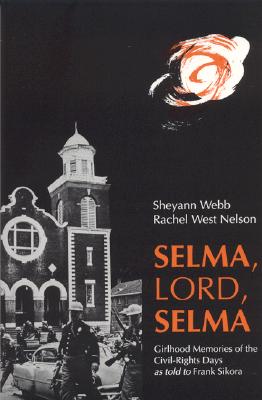
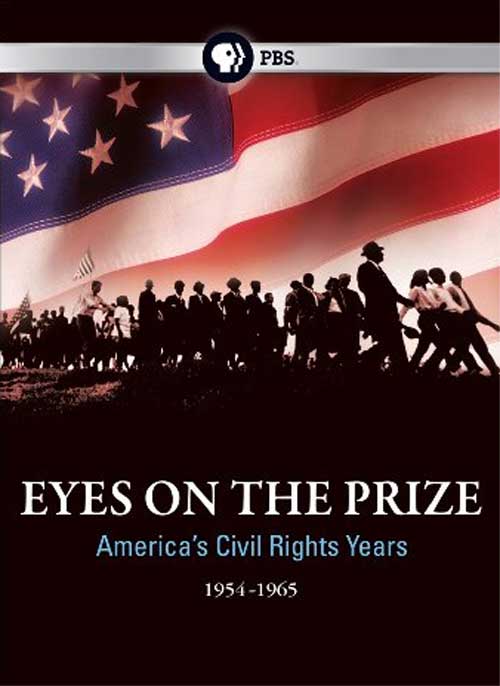
This article by Doug Sherman describes his use of first person narratives such as Selma, Lord, Selma and films such as Eyes on the Prize to teach the often untold stories of the Civil Rights Movement.
Published by Rethinking Schools.
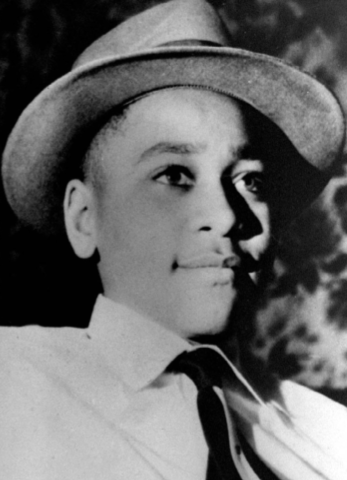
Key words: civil rights movement, Emmett Till, Mississippi, Coming of Age in Mississippi, Anne Moody, Selma, Lord, Selma, Rachel West Nelson, Sheyann Webb
Post a comment
Explore by Time Period
- Colonization
- Revolution & Constitution
- Early 19th Century
- Civil War Era
- Reconstruction Period
- Industrial Revolution
- Turn of the Century
- World War I
- Prosperity, Depression, & World War II
- Cold War
- People’s Movement
- 1975 – 2000
- 2001 – Present
- 18th Century
- 19th Century
- 20th Century
- All US History
- 21st Century
Explore by Theme
- African American
- Art & Music
- Asian American
- Civil Rights Movements
- Criminal Justice
- Democracy & Citizenship
- Disability
- Economics
- Education
- Environment & Food
- Immigration
- Imperialism
- Individuals in US History
- Labor
- Language Arts
- Latino
- Laws & Citizen Rights
- LGBT
- Media
- Native American
- Organizing
- Pacific Islander
- Racism & Racial Identity
- Science
- Slavery
- Social Class
- Sports
- US Foreign Policy
- Wars & Related Anti-War Movements
- Women's History
- World History/Global Studies
List of Resources
- Articles
- Audio
- Books: Fiction
- Books: Non-Fiction
- Films
- Picture Books
- Posters
- Profiles
- Songs and Poems
- Spanish/Bilingual
- Teaching Activity PDFs
- Teaching Guides
- Websites
Reading Level
Facebook Status
Zinn Education Project
Saturday, February 4th at 7:12 Today is the birthday of Rosa Louise McCauley Parks (Feb. 4, 1913 – Oct. 24, 2005). Below is a key article by Herbert Kohl from Rethinking Schools that challenges the myths prevalent in children's books and textbooks about Rosa Parks. Here is a link to more resources about Parks and the Montgomery Bus Boycott: http://zinnedproject.org/posts/tag/rosaparks
The Politics of Children’s Literature: What’s Wrong with the Rosa Parks Myth
zinnedproject.org
Aritcle. By Herbert Kohl. 6 pages. A critical analysis that challenges the myths in children’s books about Rosa Parks and the Montgomery Bus Boycott.
Zinn Education Project
Saturday, February 4th at 0:40 via ColorLines Magazine People have taken to Twitter to talk about the histories they wish they'd learned about in high school. Use: #WishiLearnedinHS
Pay Attention! Ethnic Studies #WishiLearnedinHS Curriculum Hits Twitter - COLORLINES
colorlines.com
Educational policies start trending on Twitter.
Zinn Education Project
Friday, February 3rd at 7:25 On this day in 1944, U.S. forces invaded and took control of the Marshall Islands. Who was living there? What is the status of the islands today? The Insular Empire: America in the Marianas is a powerful film on the U.S. colonies in the western Pacific.
Suggestion: ask your students - "Does the U.S. have colonies?" Let us know how they respond.
The Insular Empire: America in the Mariana Islands
zinnedproject.org
The Insular Empire is a one-hour PBS documentary about America’s colonies in the western Pacific. Six thousand miles west of California, the Mariana Islands include the U.S. Territory of Guam and the U.S. Commonwealth of the Northern Mariana Islands (or CNMI). Although most Americans don’t believe t...

You must login to comment.