
The Black Upsurge Against Racial Segregation
Teaching Activity PDF. By Tasha Boettcher. 17 pages.
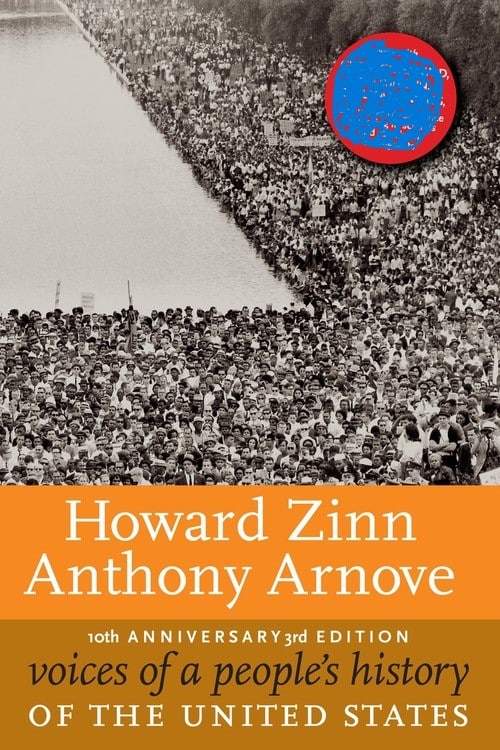
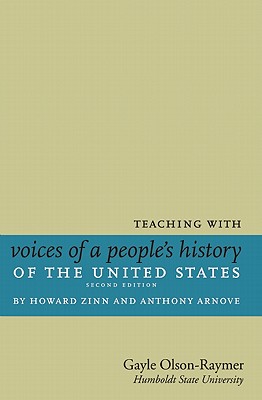
Questions and teaching ideas for Chapter 17 of Voices of a People’s History of the United States on the long Civil Rights Movement in America.
Download PDF.
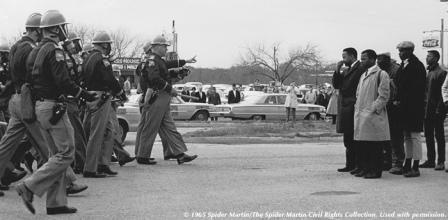
In her classic protest song of the 1960s, Janis Joplin sang, “Freedom’s just another word for nothing left to lose.” In 1950, about two percent of all African Americans in the southern states were registered to vote, black children attended schools with few of the basic amenities needed to create a true learning environment, and all southern blacks were forced to use separate and unequal public facilities; indeed, they had “nothing left to lose.” In was in these circumstances that the Civil Rights Movement began.
Any classroom discussion of the Civil Rights Movement must either begin or end with the question, “Is the movement over?” It is important that students understand that the effects of the civil-rights movement can still be seen today in socio-economic segregation and racism — and that various people in American society are still fighting for their civil rights. The best way to begin that conversation is through the voices of those who can convey the conviction, the exhaustion, the frustration, and the passion of the movement as it unfolded in the 1950s and eventually exploded in the 1960s. In so doing, our students learn to recognize the roots of current problems in the United States.
Reprinted from Teaching with Voices of a People’s History of the United States.
Published by Seven Stories Press.
Keywords: Langston Hughes, Anne Moody, John Lewis, Malcolm X, Martha Honey, Fannie Lou Hamer, Rita Schwerner, Alice Walker, Sandra A. West, Martin Luther King, Jr., Scottsboro Boys,
Post a comment
Explore by Time Period
- Colonization
- Revolution & Constitution
- Early 19th Century
- Civil War Era
- Reconstruction Period
- Industrial Revolution
- Turn of the Century
- World War I
- Prosperity, Depression, & World War II
- Cold War
- People’s Movement
- 1975 – 2000
- 2001 – Present
- 18th Century
- 19th Century
- 20th Century
- All US History
- 21st Century
Explore by Theme
- African American
- Art & Music
- Asian American
- Civil Rights Movements
- Criminal Justice
- Democracy & Citizenship
- Disability
- Economics
- Education
- Environment & Food
- Immigration
- Imperialism
- Individuals in US History
- Labor
- Language Arts
- Latino
- Laws & Citizen Rights
- LGBT
- Media
- Native American
- Organizing
- Pacific Islander
- Racism & Racial Identity
- Science
- Slavery
- Social Class
- Sports
- US Foreign Policy
- Wars & Related Anti-War Movements
- Women's History
- World History/Global Studies
List of Resources
- Articles
- Audio
- Books: Fiction
- Books: Non-Fiction
- Films
- Picture Books
- Posters
- Profiles
- Songs and Poems
- Spanish/Bilingual
- Teaching Activity PDFs
- Teaching Guides
- Websites
Reading Level
Facebook Status
Zinn Education Project
Sunday, February 5th at 19:12 Thanks to Independent Lens | PBS you can see the film "Daisy Bates: First Lady of Little Rock" for free online through 2/16. Along with the film, you can use the free downloadable lesson by Linda Christensen on the Little Rock Nine: http://zinnedproject.org/posts/1447
Daisy Bates: First Lady of Little Rock
zinnedproject.org
Film. Directed by Sharon LaCruise. 2011. Documentary on the life of Daisy Bates, best know for her role with the Little Rock Nine.
Zinn Education Project
Saturday, February 4th at 7:12 Today is the birthday of Rosa Louise McCauley Parks (Feb. 4, 1913 – Oct. 24, 2005). Below is a key article by Herbert Kohl from Rethinking Schools that challenges the myths prevalent in children's books and textbooks about Rosa Parks. Here is a link to more resources about Parks and the Montgomery Bus Boycott: http://zinnedproject.org/posts/tag/rosaparks
The Politics of Children’s Literature: What’s Wrong with the Rosa Parks Myth
zinnedproject.org
Aritcle. By Herbert Kohl. 6 pages. A critical analysis that challenges the myths in children’s books about Rosa Parks and the Montgomery Bus Boycott.
Zinn Education Project
Saturday, February 4th at 0:40 via ColorLines Magazine People have taken to Twitter to talk about the histories they wish they'd learned about in high school. Use: #WishiLearnedinHS
Pay Attention! Ethnic Studies #WishiLearnedinHS Curriculum Hits Twitter - COLORLINES
colorlines.com
Educational policies start trending on Twitter.

You must login to comment.