

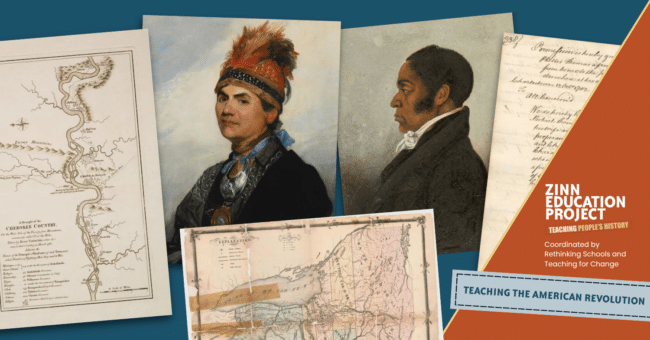
The Declaration of Independence may be the most widely celebrated document in all of U.S. history. The quotes that most people know — that “all men are created equal” with rights to “life, liberty, and the pursuit of happiness” — are regularly cited as proof that the United States was built on a cornerstone of freedom and justice for all. And the founding fairy tales that infect countless textbooks, museums, and monuments paint the American Revolution as a righteous struggle of colonists in eastern seaports to unshackle themselves from British tyranny. But the culminating grievance of the Declaration tells another story. It takes aim at Black and Native Americans, defending the entrenchment of slavery and settler colonialism in the new United States.
The final grievance says of the British Crown: “He has excited domestic insurrections among us, and has endeavored to bring on the inhabitants of our frontiers, the merciless Indian savages, whose known rule of warfare is an undistinguished destruction of all ages, sexes and conditions.” Here, in accusing King George III of inciting enslaved and Indigenous people to rise up against colonists, the Declaration’s signers condemned Black and Native Americans’ freedom and sovereignty. The so-called liberty championed in the Declaration rested on what sociologist Eve L. Ewing describes as the “original sins” of bondage, displacement, and genocide — “cornerstones that irrevocably shaped the social fabric of this nation.”
We created this mixer activity, “Beyond Loyalists and Patriots: Black and Native Americans Fight for Their Freedom in the U.S. War of Independence,” to help students examine these causes and varied impacts of the American Revolution on voices often stifled or erased from its commemorations. For most people, neutrality in the U.S. War of Independence was not an option, and they joined the side that seemed more likely to improve their lives. In the lesson, students surface choices and outcomes navigated by an array of Black and Indigenous people in the Revolutionary period. Through conversation, they explore what freedom meant to those excluded from it at the U.S. founding.
Roles for this lesson include:
- Alexander McGillivray (Hoboi-Hili-Miko), Muscogee Creek
- Boston King
- Buckongahelas, Delaware/Lenape
- Deborah Squash
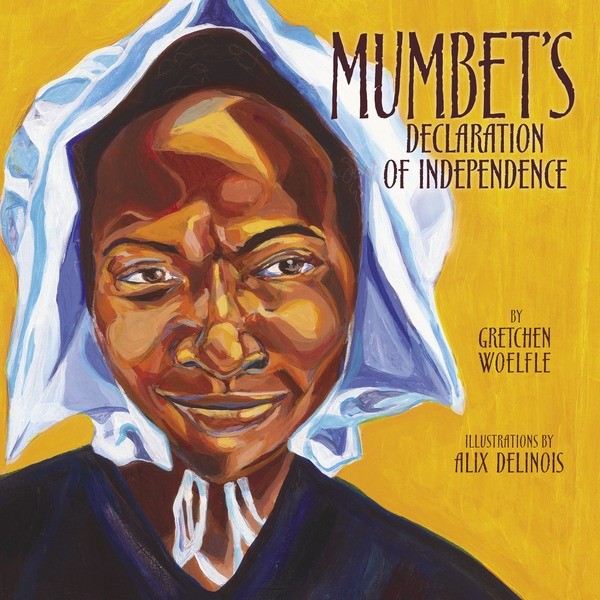
- Elizabeth (Mum Bett) Freeman
- Hokolesqua (Cornstalk), Shawnee
- James Armistead (Lafayette)
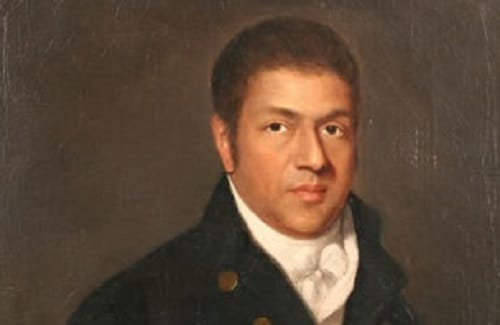
- James Forten
- John Marrant
- Konwatsi’tsiaienni (Molly/Mary Brant) & Thayendanegea (Joseph Brant), Mohawk
- Lemuel Haynes
- Nanye’hi (Nancy Ward), Cherokee
- Nonhelema, Shawnee
- Onitositah (Old Tassel, or Corn Tassel), Cherokee
- Paul Cuffe, Wampanoag
- Peggy Gwynn
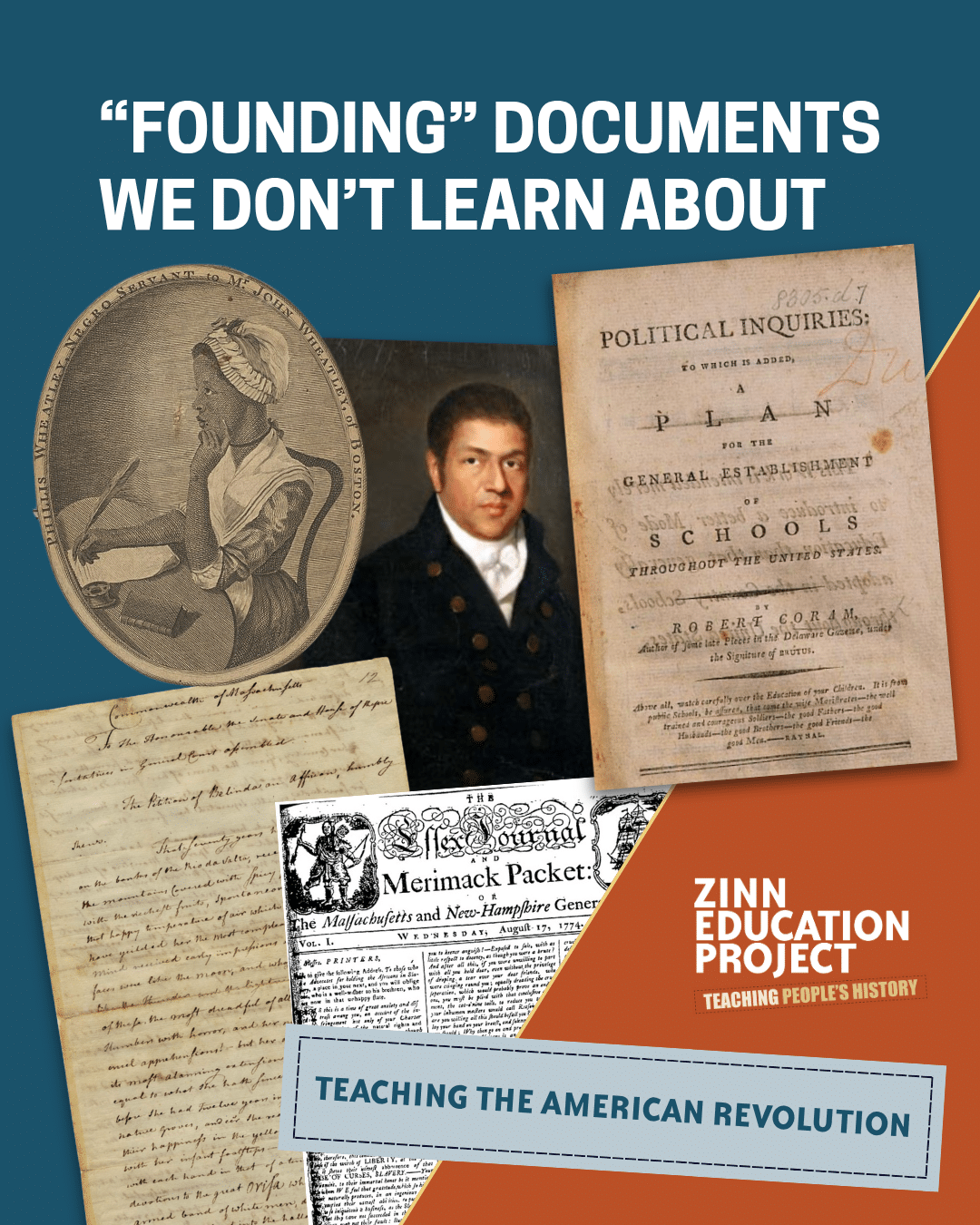
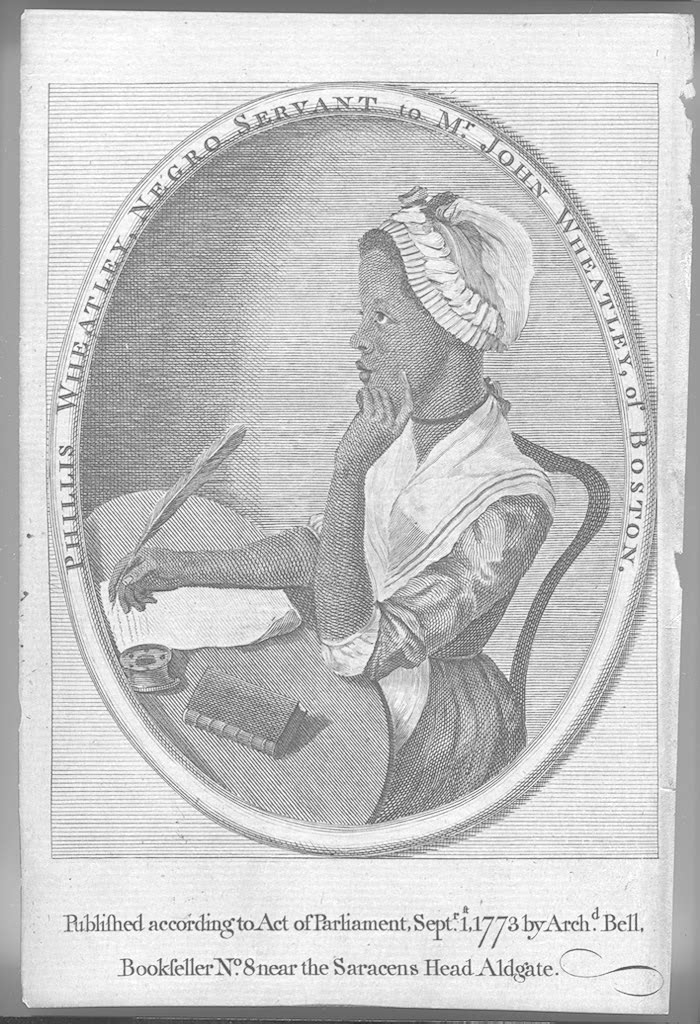
- Phillis Wheatley
- Tyonajanegen (Two Kettles Together), Oneida
- White Eyes (Koquethagechton), Delaware/Lenape
Continue reading and access lesson from “Download to Read in Full” button.
Classroom Story
I was blown away with the Beyond Loyalists and Patriots lesson. I engaged two classes in the mixer activity, along with the thoughtful questions afterwards. It was a treat to see students engage in the biographies and then share those stories with their fellow classmates. In reflection, several students were grateful to experience the voices of people who are often forgotten when we discuss the founding of this nation.
I am truly impressed with the way that this lesson challenges prior knowledge that is often deemed the only way to imagine the shaping of our nation. Thank you for sharing these opportunities with the next crop of voters for our nation!
This is my first year teaching Government and I felt challenged even more so due to teaching a dual enrollment course. After completing this lesson, I noticed a shift in my students — a general ease, but recognition that the only voices provided to the story are not the full story. I strive to offer a classroom that is not only providing a holistic framework, but also honors stories of people and voices that are often forgotten. I appreciate the Zinn Education Project’s continuing commitment to educate the generations to come.


Twitter
Google plus
LinkedIn