

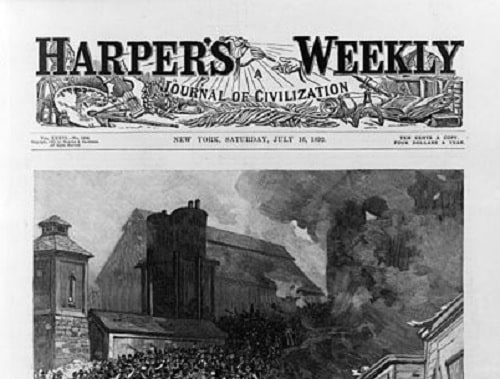
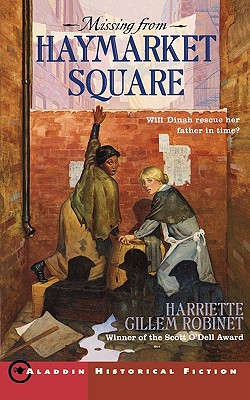
May 1 is International Workers’ Day. May Day began as a commemoration of the 1886 Haymarket Riot in Chicago. The day is officially recognized in much of the world, but not the United States.
Learn about the history of May Day from the Democracy Now! segment, “Historian Peter Linebaugh on “The Incomplete, True, Authentic & Wonderful History of May Day.”
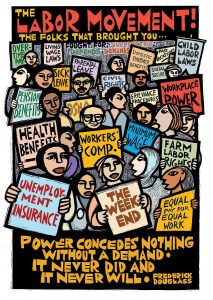
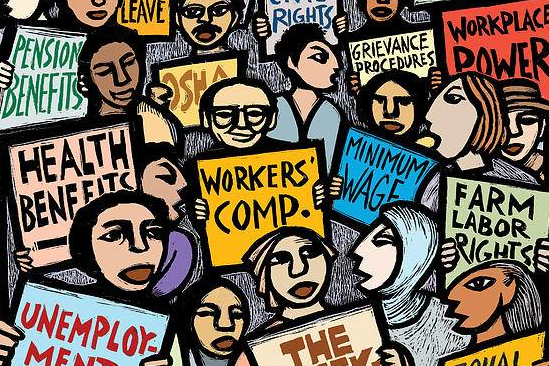
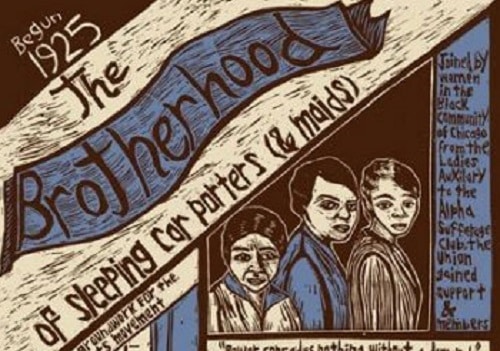
Poster (c) Ricardo Levins Morales Art Studio.
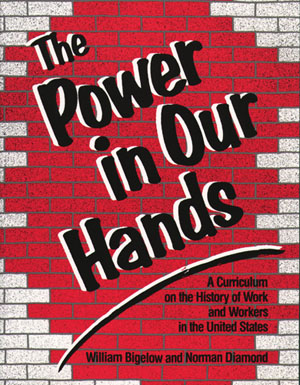
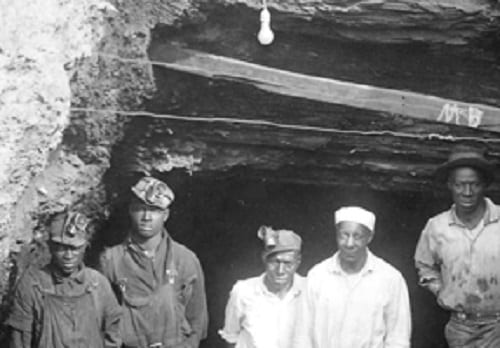
The Zinn Education Project offers lessons, books, films on labor history for students. Many are listed below.
We also recommend “The Labor Movement” poster by Ricardo Levins Morales. It can be ordered as a 11 x 17 poster or notecard.
The poster features the demands and victories of the Labor Movement over the decades and the words of Frederick Douglass:
Power concedes nothing without a demand — it never has, and it never will.
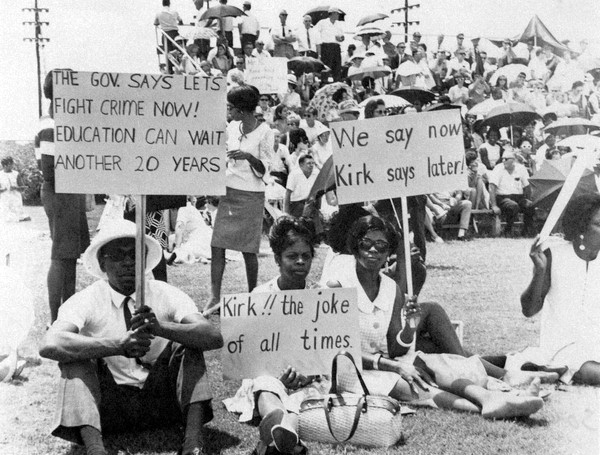
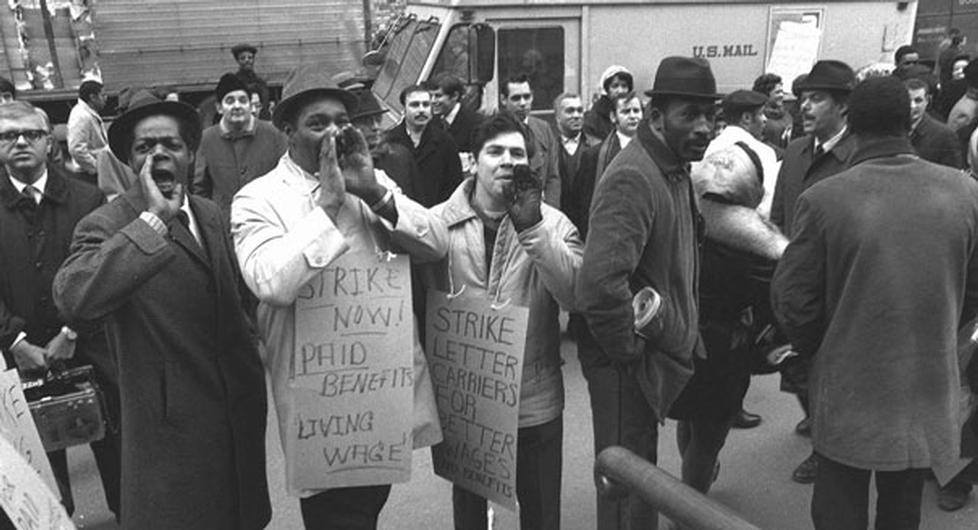
What could be more important for our students than to learn that progress toward greater justice in the world has occurred only when people have organized together and fought for it? But the right to teach about that labor history is jeopardized by anti-history laws, executive orders, book bans, and high-stakes testing.
May Day is a good day to remind ourselves — and our students — that people make history.
At a time when honest education is under attack, teaching the truth about May Day is an act of resistance. In a moment when those in power are working to erase or sanitize the history of labor struggles, teaching this history becomes even more urgent. When students learn about May Day, they learn that solidarity can cross lines of race, language, and nationality. They learn that injustice can be confronted. And they learn that ordinary people have always fought to transform their conditions — and that they can, too.
In honor of International Workers Day, please make a donation to the Zinn Education Project so that students learn the history of the labor movement and about labor struggles today.



Twitter
Google plus
LinkedIn