

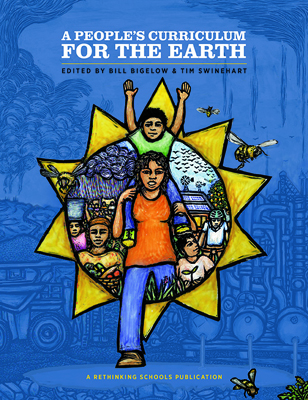
 A People’s Curriculum for the Earth is a collection of articles, role plays, simulations, stories, poems, and graphics to help breathe life into teaching about the environmental crisis.
The book features some of the best articles from Rethinking Schools magazine alongside classroom-friendly readings on climate change, energy, water, food, and pollution — as well as on people who are working to make things better.
At a time when it’s becoming increasingly obvious that life on Earth is at risk, here is a resource that helps students see what’s wrong and imagine solutions.
Here is an excerpt from the introduction to the book:
Shorter Showers?
In our “Earth in Crisis” group, teachers kept returning to our students’ responses: They wanted to know what they could do personally. Early in our work, we concluded that we need to help students recognize the inadequacy of responding to the environmental crisis solely as individuals. As we mention in the teaching ideas for Chapter 3, “Facing Climate Chaos” (p. 174), there are entire books that urge students to consider their individual carbon footprints, suggesting that our personal patterns of consumption are a root cause of global warming. Students are urged to think about the frequency of their baths, their electricity use, the stuff they buy. Yes, of course, we want young people — and everyone — to be mindful of the Earth as we go through our daily lives. And we want students to recognize the power they have — collectively or individually — to make the world a better place. But it’s wrong to direct students primarily toward individual solutions to create change.
Continue Reading Introduction
In his Chapter Five essay, “Forget Shorter Showers,” Derrick Jensen confronts this problematic celebration of individual action:
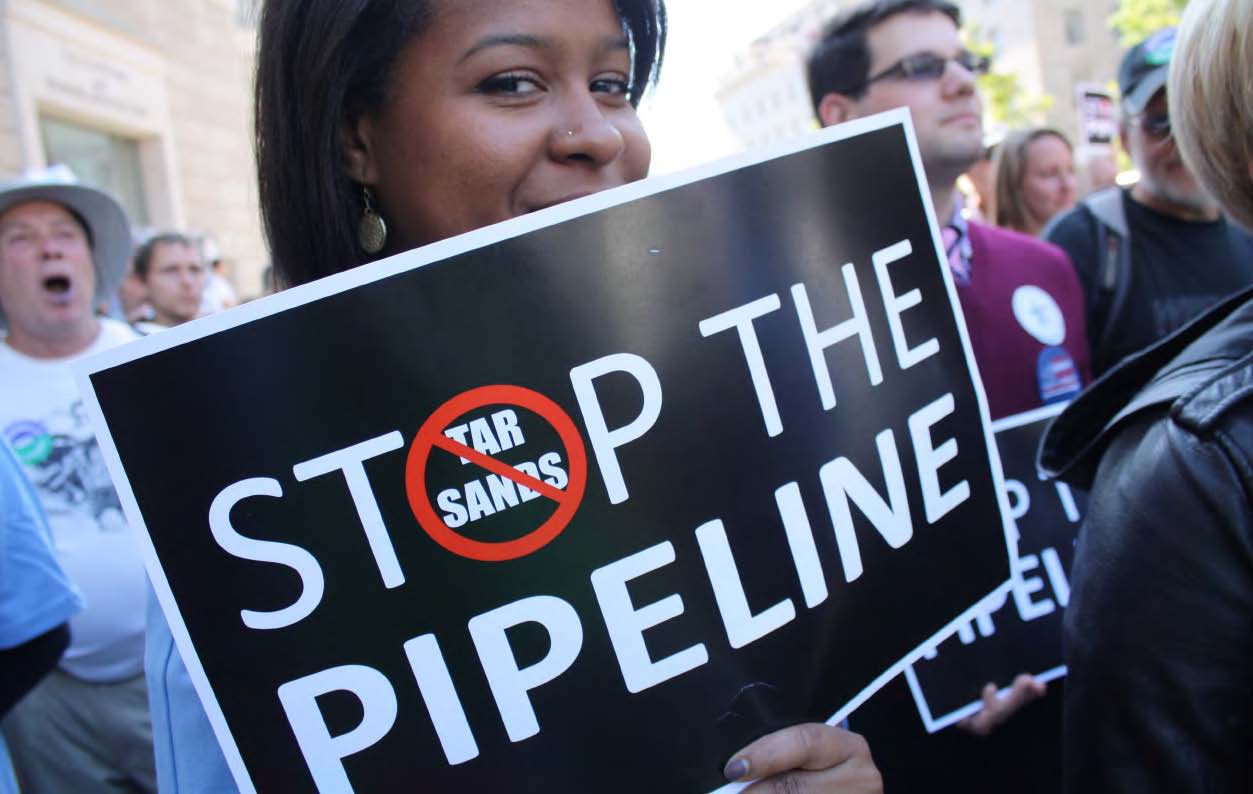
Consumer culture and the capitalist mindset have taught us to substitute acts of personal consumption (or enlightenment) for organized political resistance. Al Gore’s film An Inconvenient Truth helped raise consciousness about global warming. But did you notice that all of the solutions presented had to do with personal consumption — changing light bulbs, inflating tires, driving half as much — and had nothing to do with shifting power away from corporations, or stopping the growth economy that is destroying the planet? As students’ awareness of the environmental crisis grows, this consciousness can be misdirected by social forces that have an interest in how young people respond. The energy industry would much prefer that our students change their light bulbs, recycle their soda cans, or even install solar panels than organize a demonstration at the state capitol to shut a coal-fired power plant, testify at a public hearing against fracking, or otherwise gum up their fossil fuel machinery.
And there is another way that this celebration of the individual needs to be questioned in a people’s curriculum for the Earth. Individual property “rights” have long been seen as synonymous with “liberty.” “Liberty! Property!” was a cry of the American Revolution. But there were other more democratic cries as well, like Benjamin Franklin’s famous assertion that “Private Property. . . is a Creature of Society, and is subject to the Calls of that Society, whenever its Necessities shall require it, even to its last Farthing.”
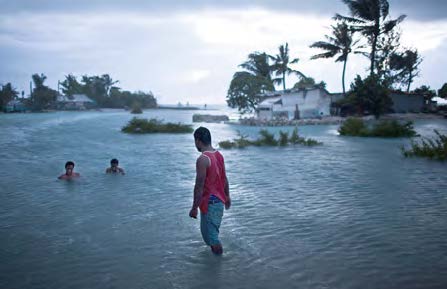
What happens to the Earth if we respect the “right” of the fossil fuel industry to manage their assets however they please? More and more, the headlines are filled with the answer to that question: superstorms, drought, heat waves, melting glaciers, ocean acidification, species extinction, floods, drowning islands. A curriculum on the climate, and the environmental crisis more broadly, needs to address patterns of ownership and decision making. Our curriculum needs to confront the myth that private property is, in fact, private. The fate of the Earth “belongs” to us all. Read full intro here.
Reviews
To really confront the climate crisis, we need to think differently, build differently, and teach differently. A People’s Curriculum for the Earth is an educator’s toolkit for our times. — Naomi Klein, author of The Shock Doctrine and This Changes Everything: Capitalism vs. the Climate
This volume is a marvelous example of justice in ALL facets of our lives—civil, social, educational, economic, and yes, environmental. Bravo to the Rethinking Schools team for pulling this collection together and making us think more holistically about what we mean when we talk about justice. — Gloria Ladson-Billings, Kellner Family Chair in Urban Education, University of Wisconsin-Madison
Bigelow and Swinehart have created a critical resource for today’s young people about humanity’s responsibility for the Earth. This book can engender the shift in perspective so needed at this point on the clock of the universe. — Gregory Smith, Professor of Education, Lewis & Clark College, co-author with David Sobel of Place- and Community-based Education in Schools
Table of Contents
Chapter 1: The Whole Thing Is Connected
We can continue the “enclosure of the commons,” begun so long ago — the privatization and commodification of nature — or we can recognize the fundamental truth that we are all connected and that there is nothing “private” about how we treat the Earth, or each other.
- Plastics and Poverty by Van Jones
- Smarter Than Your Average Planet by David Suzuki
- Interconnectedness — The Food Web by Kate Lyman
- Reading the World in a Loaf of Bread by Christian Parenti
- A Deadly Drought by Nash Colundalur
- The World Turned Upside Down by Leon Rosselson
- Stealing and Selling Nature by Tim Swinehart
- The Commons by David Rovics
- Two Views of Nature by Vandana Shiva
- The Principles of Environmental Justice
- Teaching ideas
Chapter 2: Grounding Our Teaching
Grounding our students in their communities doesn’t just connect them to nature; it also connects them to the ways their communities have been battered by powerful interests, and how race and class have shaped those communities.
- How My Schooling Taught Me Contempt for the Earth by Bill Bigelow
- A Pedagogy for Ecology by Ann Pelo
- Lessons from a Garden Spider by Kate Lyman
- “Before Today, I Was Afraid of Trees” by Doug Larkin
- Exploring Our Urban Wilderness by Mark Hansen
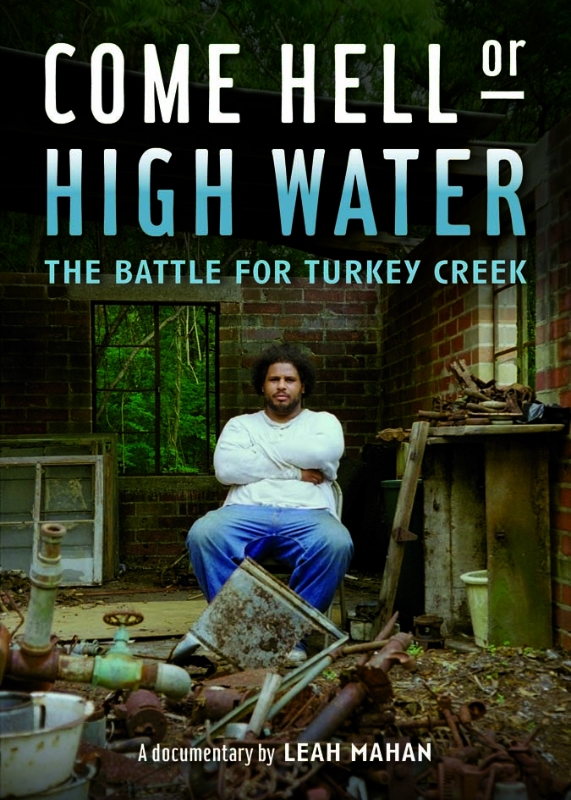
- Looking for Justice at Turkey Creek by Hardy Thames
- Students Blow the Whistle on Toxic Oil Contamination by Larry Miller and Danah Opland-Dobs
Chapter 3: Facing Climate Chaos
Articles in this chapter will help students recognize the significance of the climate crisis and see that the people being hit the hardest are the ones least responsible. Through various activities students consider root causes of the crisis in order to critically think about the deep social changes we will need to respond fairly and decisively.
- Farewell Sweet Ice by Matthew Gilbert
- Goodbye, Miami by Jeff Goodell
- Teaching the Climate Crisis by Bill Bigelow
- Climate Crisis Mixer by Bill Bigelow
- Climate Change Timeline
- Proof Positive by Robert Kunzig
- Ask Yourself These Questions by George Monbiot
- Carbon Matters by Jana Dean
- Paradise Lost by Brady Bennon
- Retreat of Andean Glaciers Foretells Global Water Woes by Carolyn Kormann
- “Don’t Take Our Voices Away” by Julie Treick O’Neill and Tim Swinehart
- Climate Change in Kwigillingok by Lauren G. McClanahan
- The Thingamabob Game by Bill Bigelow
- Remember the Carbon Footprint of War by Bruce E. Johansen
- Polar Bears on Mission Street by Rachel Cloues
- The Big Talk by Sandra Steingraber
- Who’s to Blame for the Climate Crisis?
- Bali Principles of Climate Justice
- Teaching Ideas
Chapter 4: Burning the Future
“Burning the Future” has a metaphorical ring, but it’s no metaphor — it’s literally true: We are burning the future. This chapter deals with the overall issue of fossil fuels and then is divided into three sections: coal, oil, and natural gas and fracking. Yes, we are burning the future. But nothing is inevitable. This is a key lesson from history, and from the activities included in this chapter.
“Black Waters” by Jean Richie
Introduction: Burning the Future
The Mystery of the Three Scary Numbers by Bill Bigelow
A Matter of Degrees by Bill McKibben
A Short History of the Three Ages of Carbon—and the Dangers Ahead by Michael T. Klare
Coal
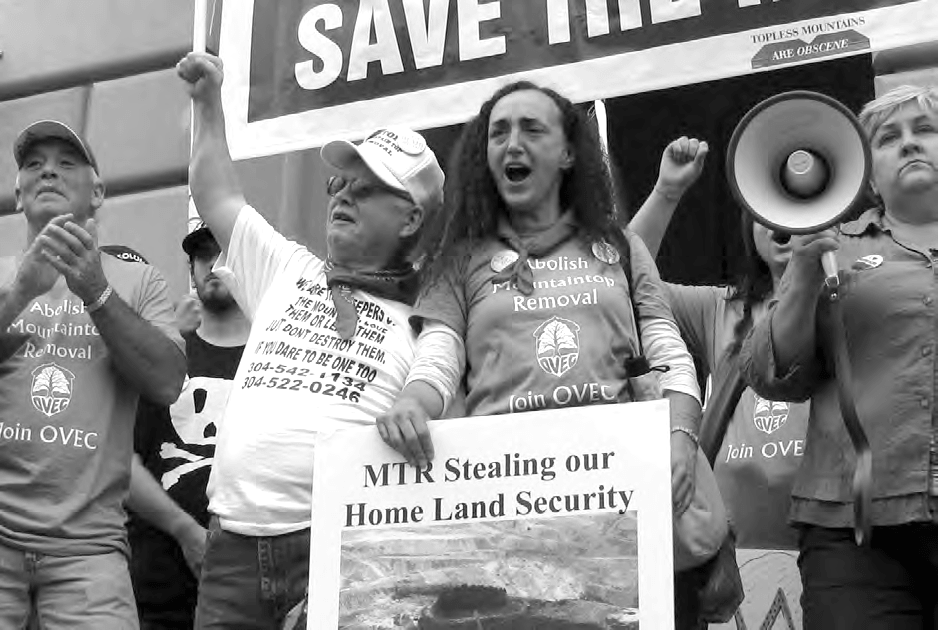
Coal, Chocolate Chip Cookies, and Mountaintop Removal By Bill Bigelow
An Insult to the Moon by Erik Reece
“They Can Bury Me in These Hills but I Ain’t Leavin” by Jeff Goodell
Coal at the Movies by Bill Bigelow
Exporting Coal and Climate Change by Bill Bigelow
This Much Mercury. . . Dashka Slater
Oil
Environmental Crime on Trial by Brady Bennon
“We Know What’s Goin’ On” by Terry Tempest Williams
Dirty Oil and Shovel-Ready Jobs by Abby McPhail
Natural Gas and Fracking
Teaching about Fracking by Julie Treick O’Neill
Fracking. . . Firsthand:letter to Illinois Assembly
Fracking Democracy by Sandra Steingraber
Life and Death in the Frack Zone by Walter Brasch
Divesting from Fossil Fuels
Teaching Ideas
Chapter 5: Teaching in a Toxic World
Articles in this chapter describe how “toxic trespass” happens in far too many ways in our lives — here and around the world. Because of the intimate nature of the toxic trespass, students’ first reaction may be self-protection or individual consumer choices, rather than collective action. This chapter provides abundant evidence that people are taking collective action.
Forget Shorter Showers by Derrick Jensen
Keep America Beautiful? By Elizabeth Royte
Science for the People by Tony Marks-Block
Combatting Nail Salon Toxics by Pauline Bartolone
Teaching about Toxins by Kelley Dawson Salas
Reading Chilpancingo by Linda Christensen
A Toxic Legacy on the Mexican Border by Kevin Sullivan
Measuring Water with Justice by Bob Peterson
Transparency of Water by Selene Gonzalez-Carillo and Martha Merson
Facing Cancer by Amy Lindahl
Teaching in a Nuclear World
Outrageous Hope by Gary Pace
“We Want to Stop It Now”: Fukushima’s Nuclear Refugees
“Kazue, Alive!” Hiroshima’s Nuclear Refugees by Kazue Miura
Uranium Mining, Native Resistance, and the Greener Path by Winona LaDuke
Teaching Ideas
Chapter 6: Food, Farming, and the Earth
Food embodies many of the ecological problems and social injustices highlighted throughout the book. And similarly, it calls out for activism that recognizes the interconnectedness of these issues.
Food Secrets by Michi Thacker
Got a Little More Than Milk by Tim Swinehart
Greening for All by Marcy Rein and Clifton Ross
Learning from Worms by Rachel Cloues
Hunger on Trial by Bill Bigelow
Ten Myths about Hunger by Frances Moore Lappe and Joseph Collins
King Corn: Teaching the Food Crisis by Tim Swinehart
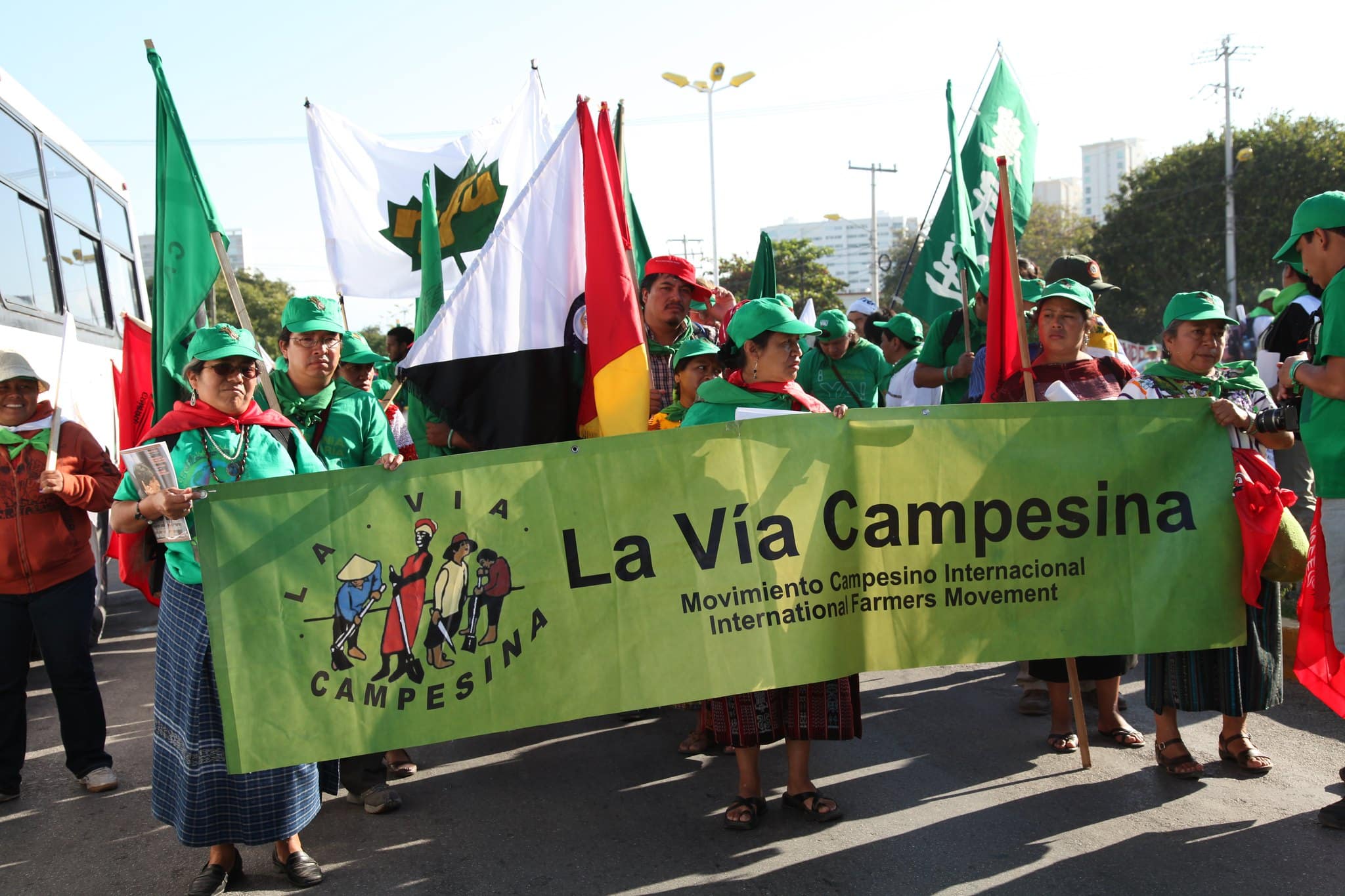
La Via Campesina Role play on food sovereignty by Bill Bigelow, Chris Buehler, Julie Treick O’Neill, and Tim Swinehart
Teaching ideas
Closing Thoughts
Teacher Testimonials
To introduce our Climate Change unit, we wanted to begin with empathy and a connection to the communities that are most affected by climate change.
My co-teacher and I decided to start with “The Whole Thing is Connected: Plastics and Poverty” from A People’s Curriculum for the Earth. This chapter and series of articles reinforces the idea of environmental racism — the idea that people of color are disproportionately affected by the deleterious affects of climate change, in addition to those who live in poverty (which often intersect, unfortunately). We wanted to ensure that our students understood that, even though recycling plastic seems like a good thing, this seemingly benevolent act could negatively affect those who live in places like “Cancer Alley,” where the toxins of burning plastic bottles (like the one we so carefully and expertly recycled) could cause harm. Empathy is the first step in making change. If your students do not connect to those are affected, there is no motivation to create action steps for change.
This was the first step of our much larger project, the Climate Change Challenge, where we asked students to come up with an innovative and creative solution to reduce the deleterious affects of climate change. One student came up with light switch that turned off if there were no sound waves for more than 30 minutes to save energy, and another group designed an App where you could report environmental “crimes,” similar to the Citizens App. Introducing the topic of climate change with this article on empathy versus straight up textbook content, really connects students to their projects and gives them a more human reason to care and emotionally invest in the future of our earth.
A People’s Curriculum for the Earth filled a very obvious gap in pedagogical methodology, between the crises of global environmental change and curriculum design. Official curricula evolve at a glacial pace, providing next to no help for practicing teachers in this context.
In my own practice, with my cohort of teacher candidates, we constructed an overview of the crisis manifestations after surveying the chapters and subchapters. We then focused on those manifestations that seemed most relevant for our local region and identified approaches for teaching & learning that could be implemented in our schools. Finally, we brainstormed on assessment measures that complement traditional standardized methods in those specific curricular areas.
A People’s Curriculum for the Earth is one of the rare books that marries human justice with earth justice. It is also one of the rare books that incorporates teachable lessons in the learning process for adults, teachers, and children.
I cannot rave enough about the book enough and the dire need for teachers in all classrooms, ones where the student body is diverse, and especially those where the students and teachers represent the dominant culture, to have a copy. It’s comprehensive and specific at the same time, and it provides practical, user-friendly resources. This book is perfect for teachers who need lesson samples that will ease the overload of meaningless activities demanded by systems of oppression.
This year I designed and taught a 12th grade environmental justice course that was offered for the first time at my school. I found A People’s Curriculum for the Earth: Teaching Climate Change and the Environmental Crisis incredibly helpful in framing climate justice and exploring climate solutions.
Often, I opened a unit of study with one of the many interactive lessons from the Zinn Education Project. From the The Thingamabob Game: A Simulation on Capitalism vs. the Climate to ‘Don’t Take Our Voices Away’: A Role Play on the Indigenous Peoples’ Global Summit on Climate Change, students gained insight into the root issues driving the climate crisis in a fun and interactive way. The students were highly engaged and took ownership in their learning. I found that when the students learned about climate issues from a first-hand perspective, the impact of their learning was much more profound and inspiring than simply reading about climate change. Moreover, students’ key takeaways from these lessons served as reference points as we explored topics like the Green New Deal, divestment, and COP 30 more deeply.
These lessons coupled with supplementary materials from a variety of climate writers made for a fulfilling first year of teaching environmental justice. I plan to continue using these resources next year and highly suggest it to anyone teaching about climate change and/or climate justice.

When I told my 8th grade social studies students that we would be exploring climate change, I didn’t receive the most receptive, encouraging responses. They made comments to the effect of, “We just studied this in science, why are we learning about this in social studies?”
A revealing question, one that exposes how compartmentalized and disconnected they saw this issue from society. Before this semester, having never delved into climate change as a social studies educator, I would have been at loss. Then, I turned to A People’s Curriculum for the Earth. The collection of primary-source based lessons and activities embedded in this book proved to be an invaluable and powerful resource.
Lessons like the Climate Change Mixer, Paradise Lost, and the Thingamabob simulation took my students from a place of what appeared to be indifference and complacency, to a place of inquiry, compassion, and activism.
The culminating activity involved having my students participate in a mock trial based on Bill Bigelow’s role play activity ‘Who’s to Blame for the Climate Crisis’? By this point of our study, my students were emotionally and intellectually ‘invested’ and were genuinely curious as to what or who is responsible for the environmental crisis.
A People’s Curriculum for the Earth prompted me as an educator to teach differently — more holistically, and more critically. It also reminded me of the importance of cultivating the learning conditions for students to make those intimate connections between themselves, other human beings, and the earth.
My organization, the Alliance for Sustainable Communities, used materials from A People’s Curriculum for the Earth to inspire group of people who (successfully) encouraged a local school district to adopt a comprehensive Climate and Sustainability Commitment. It was also a key reference and source for our Let’s Talk About Climate! project for interdisciplinary teaching about global warming and climate change at all grade levels.
In fifth grade students are exploring “Food, Farming, and Justice” in their research block. As the DEIBJ (Diversity, Equity, Inclusion, Belonging, and Justice) coach, I collaborated with the teachers and planned to facilitate the (Young) People’s Climate Change Mixer, a lesson from A People’s Curriculum of the Earth adapted by educator Rowan Shafer.
This lesson helped students explore the global effects of climate change and how it impacts people differently depending on where they live and the resources available to them. Each student was assigned a short article about a real person from somewhere in the world. After reading, they wrote a summary that explains who the person was, where they were from, how they were affected by — or in some cases, benefited from — climate change, and what solutions they may have offered.
The next part of the lesson involved a “Mixer and Scavenger Hunt.” Each student took on the role of the person they read about and mingled around the room, sharing “their story” with classmates. While listening, students completed a scavenger hunt to find people who were affected by climate change in different ways — such as someone whose experience connected climate change to water, or someone affected by farming or energy use.
After the mixer, students came back together for a rich group discussion. They were especially surprised to learn that climate change is not affecting everyone in the same way — some communities are experiencing drought, while others are dealing with severe flooding. They were also intrigued to discover that some people are actually benefiting from climate change — like oil companies gaining easier access to land due to melting glaciers.
These insights sparked thoughtful conversations about fairness, equity, and responsibility. We love using Zinn Education Project resources because they also help us achieve the goal of producing curious, informed, and compassionate thinkers who understand the complexities of the world around them.
ISBN: 9780942961577 | Rethinking Schools


I’m glad to see an enlightened approach to providing students with a better information base, no matter what age, to realize the depth and nuances involved in the real stories throughout history.
I knew of the potato famine,because of a disease destroying this food staple the Irish peasants relied upon and the failure by those running the farms, mainly for disinterested absentee landlords. Who only wanted a high return on their investment. This tragic disregard to provide sustenance while all around was plenty Happened because of my love of books and a desire to be reasonably well informed. It is a great asset towards all future learning, for a child to have that desire, that thirst for understanding which must be fostered..