

 Inspired by accounts of the women and men on the front lines of the Civil Rights Movement, Freedom Song chronicles a family nearly torn apart by the impact of the movement on a small Mississippi town. It places heroism squarely on the shoulders of the local people, the unsung volunteers who risked their lives to make change at the grassroots level. Effective for young people since the story is seen through the eyes of a grade-school student. [Description from Rethinking Schools.]
Danny Glover stars in and executive-produces Freedom Song, a powerful film written and directed by Phil Alden Robinson (Field of Dreams). Vondie Curtis Hall, Vicellous Reon Shannon, Loretta Devine, and Glynn Turman also star in the two hour film, which tells the compelling story of the impact of the Civil Rights Movement on a small Mississippi town.
Freedom Song is set in the small town of Quinlan, Mississippi, in 1961. [Note that the history is based on the actual town of McComb, Mississippi.] The Civil Rights Movement is in full force, making its way through the cities, towns and rural communities of the South. The story is told through the eyes of Shannon’s character, an African-American teenager inspired by the arrival of an organizer from the Student Nonviolent Coordinating Committee (SNCC). The young man joins the crusade to desegregate Quinlan, even though his involvement threatens to destroy his relationship with his father (Glover).
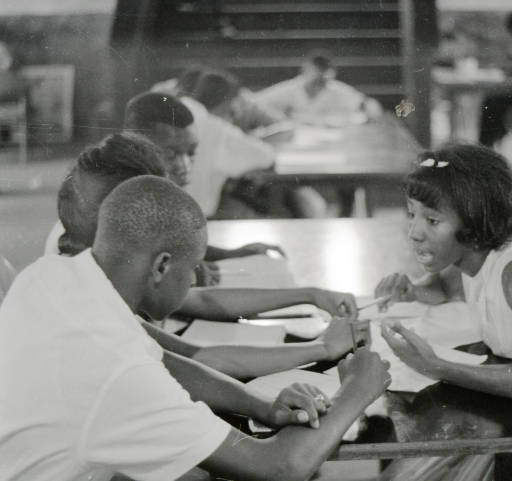
SNCC trains Owen and a group of his school friends to lead peaceful protests against segregation. The protests include sit-ins at public buildings, such as libraries, bus stations and businesses. They are also taught to help African-Americans register to vote — an act that typically is met with brutal resistance by the forces of segregation. In chronicling the effect of the movement on the volunteers, their families, and their community, Freedom Song places heroism squarely on the shoulders of the local people — the unsung volunteers who risked their lives to affect change at the grassroots level.
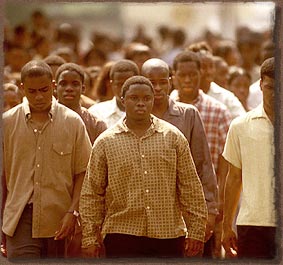
Photo by Erik Heinila, TNT Productions, 2000.
Phil Robinson explained,
We chose to focus on a small town because we thought if we tried to tell the larger story of the Civil Rights Movement, we could only scratch the surface of such a broad canvas. Instead, we decided to pick the smallest possible corner and try to get deeper into the people’s lives. This one brief period in Quinlan had successes, failures, beatings, jailings and a murder. It was an extraordinary microcosm of the Civil Rights Movement.
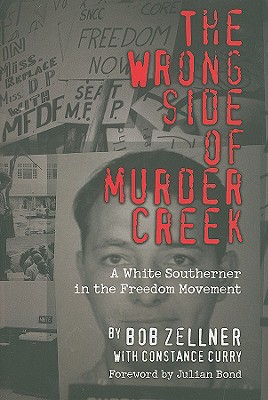
Robinson crafted the script from hundreds of first-hand accounts by former members of SNCC. Civil rights veterans such as Bob Moses, former SNCC chairman Chuck McDew, Dave Dennis, Bob Zellner, and historian Dr. Vincent Harding served as consultants on Freedom Song. The teenaged children of McDew and Dennis played extras in one scene, in which they were given the unique opportunity to walk a day in their fathers’ shoes.
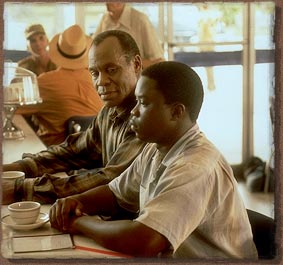
Photo by Erik Heinila, TNT Productions, 2000.
Phil Robinson added,
When you talk to people who were on the front lines of the Civil Rights Movement, it’s stunning how often they point to “the elders” — the men and women who never marched, or sat-in, or rode Freedom buses — as the great sources of strength and inspiration and wisdom that fueled the movement. Together with the energy of the young students, many of whose names have never been recorded by history, they were true American heroes, and we felt their story had never adequately been told on film. Their courage and accomplishment has inspired freedom movements all over the world — from South Africa to Tiananmen Square.
Freedom Song’s innovative score is by noted gospel group Sweet Honey in the Rock (founded by SNCC veteran Dr. Bernice Johnson Reagon) and Academy Award-winning composer James Horner. Singer/songwriter Carole King wrote and performs the end title song “Song of Freedom” with Sweet Honey in the Rock. [Film description from TNT website.]
Produced by Carrie Productions.
View Online via BMETV
Related Resources
When the Movement Came to McComb
This video documents a gathering of key people from McComb and from the national Civil Rights Movement, talking about the history of SNCC in McComb in preparation for the production of the film, Freedom Song. From TNT Productions. Not for commercial use. 35 minutes. [Temporarily unavailable.]
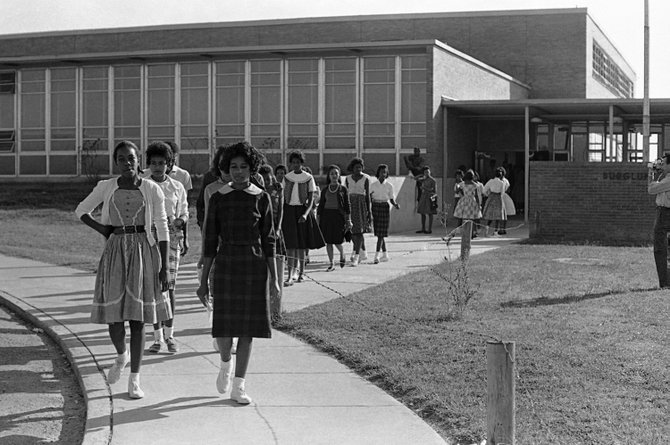
Burglund High School Walkout – 50 Year Anniversary
High school students in McComb, Mississippi produced a mini-documentary with interviews of people who participated in the high school student walkout dramatized in Freedom Song. This is a powerful resource to show your students after they have seen the film Freedom Song. The mini-documentary was produced by students at the Business and Technology School in a Digital Media course and the interviews were conducted by students in the McComb High School Local Culture course. Read an article about the production of the film during the summer of 2011.
NHD Film from McComb Legacies on Vimeo.
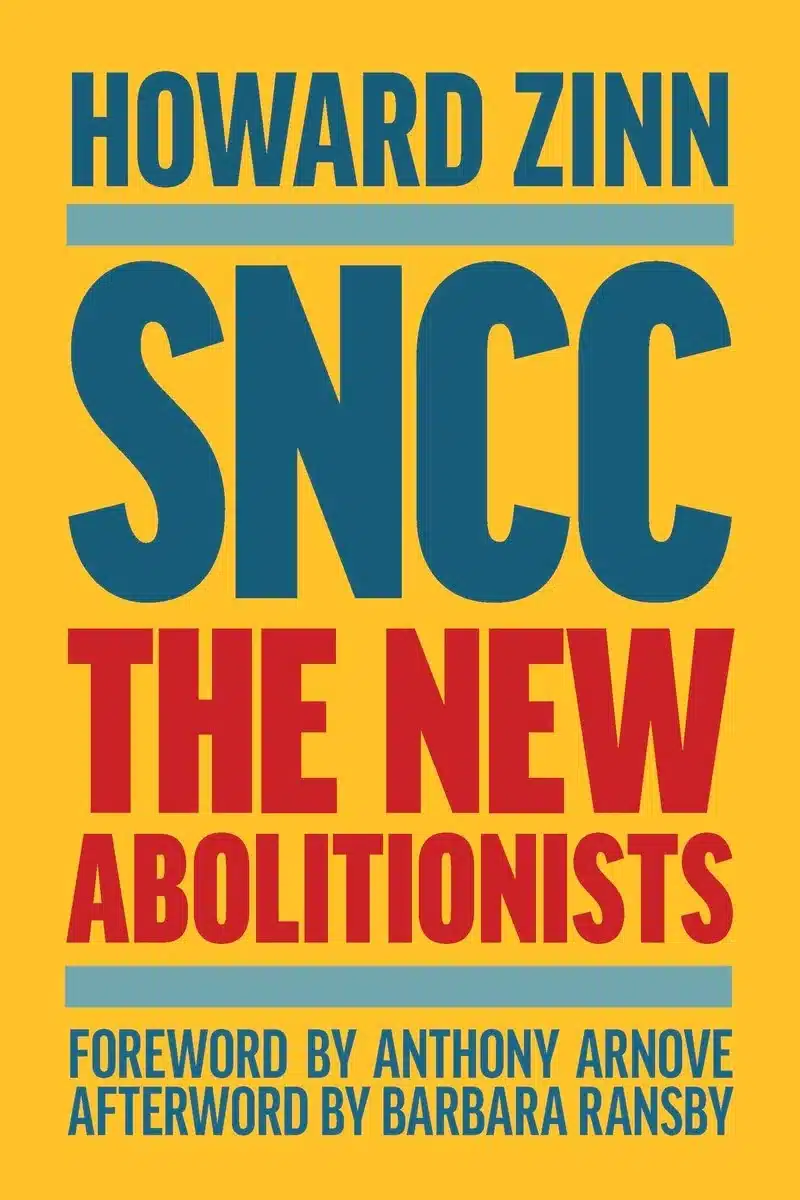
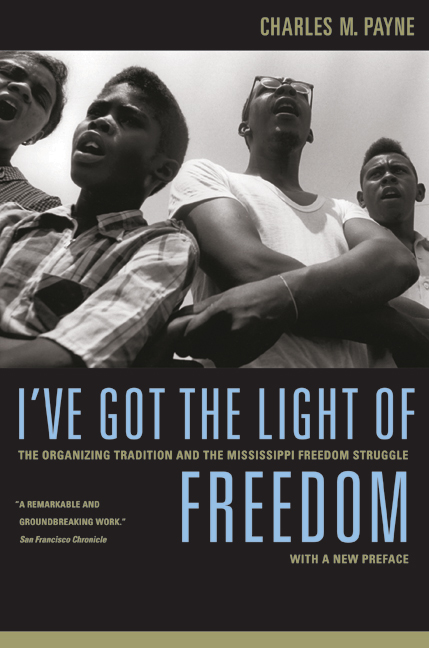
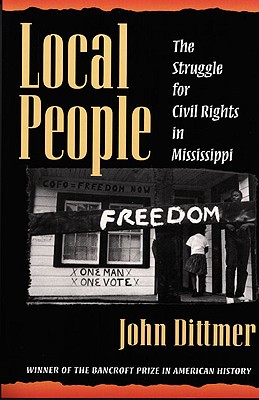
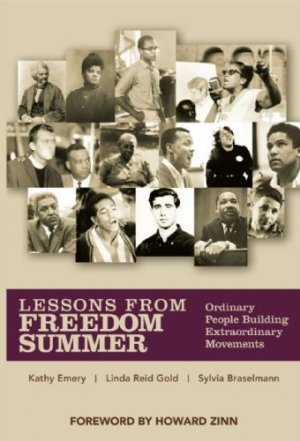
Find resources below to teach and learn more about SNCC and the Civil Rights Movement in Mississippi.


Twitter
Google plus
LinkedIn