

 By Howard Zinn
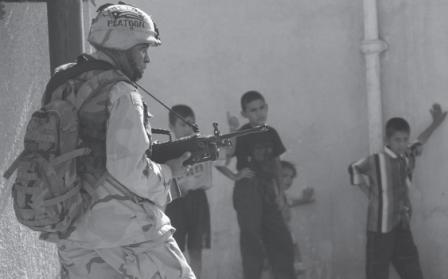
In all the solemn statements by self-important politicians and newspaper columnists about a coming war against Iraq, and even in the troubled comments by some who are opposed to the war, there is something missing. The talk is about strategy and tactics, geopolitics and personalities. It is about air war and ground war, weapons of mass destruction, arms inspections, alliances, oil, and “regime change.”
What is missing is what an American war on Iraq will do to tens of thousands or hundreds of thousands of ordinary human beings who are not concerned with geopolitics and military strategy, and who just want their children to live, to grow up. They are not concerned with “national security” but with personal security, with food and shelter and medical care and peace. [Continue reading by selecting “Download to Read in Full” below.]
This article was originally published by Rethinking Schools.
Classroom Story
Every Memorial Day, I use the article What War Looks Like to teach about the real — and unseen and unspoken — costs of war. As Howard Zinn said, “wars, especially in our time, are always wars against children, indeed our children.” I ask the students to think small about big wars and the human costs on both sides of the conflict. I think of the hundreds of thousands of Iraqis displaced, injured, and dead due to the U.S. invasion in 2002.
Recently, I think of conversations that my students and I were having about a potential war in Iran and again mentioned that any war is one against children, women, and other innocents. Our current wars are never only felt by the soldiers fighting them. I believe strongly that for our society to live peacefully with other countries, students must know the human costs of war on every side of any conflict.
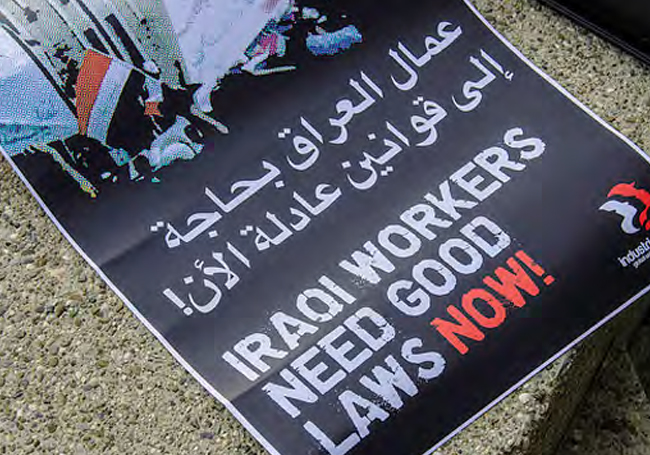
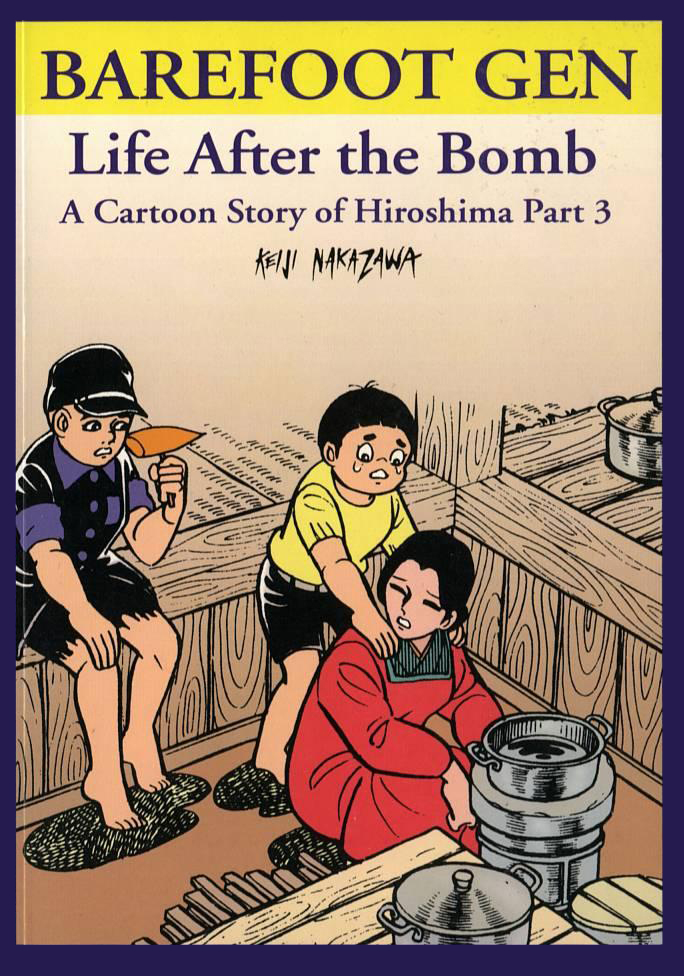
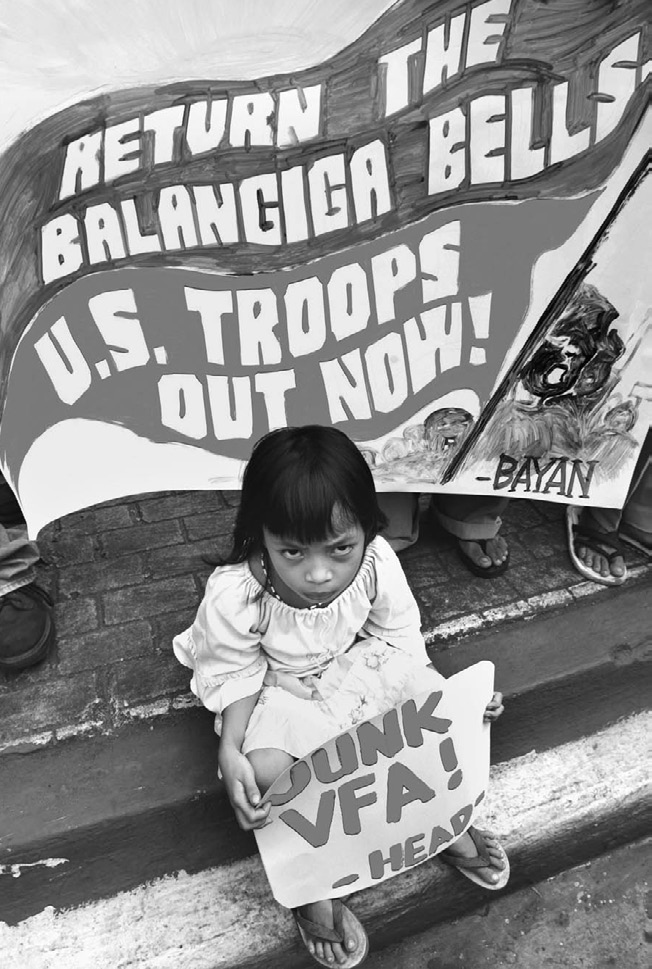
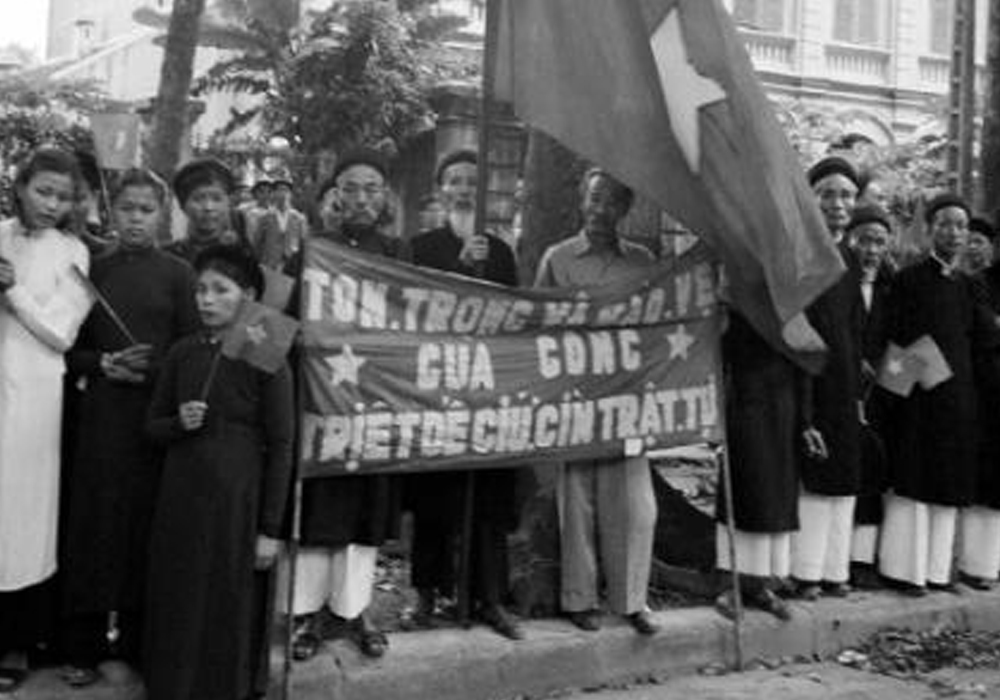


War, fought conventionally, is a tragic affair. However, conflicts fought using “peace armies” would be less costly financially and in lives lost. Gandhi proposed such armies and small scale examples have been done in UN peacekeeping forces, Nonviolent Peace Force, Christian Peacekeeping Teams, and Witness for Peace. Details of such armies can be read about in Gene Keyes’ essay “Force Without Firepower”. (www.wholeearth.com/Force Without Firepower)
I urge all readers of the Zinn Education Project to read this hopeful work and use its ideas whenever they can.
Randy Converse