

 Whenever I tell my students that I was in the military, they just stare at me in disbelief; my pacifist leanings are well known within the tiny community where I teach. However, when I tell them that I joined in order to afford the cost of college, there is a unanimous nod of understanding. The financial worry of college is heavy on their eleventh grade minds, and the idea of four years of service doesn’t sound too bad when the recruiter waves $50,000 in their faces. As odd a match as I was to the military, I soon found that I wasn’t alone. Among the reasons why my peers joined, none included such patriotic declarations as “to serve my country” or “to defend Democracy.” Instead, the reasons were, more often than not, simply financial. We were mostly just working-class kids looking for any chance at a real opportunity. Indeed, Alex Molnar’s letter to President Bush was the letter all of our parents wanted to write and the letter no politician wants to answer, because it picks at the scab of class issues in the military.
As a soldier, I was part of the massive public affairs machine during the 1991 Gulf War, doing “Hi, Mom”s for the troops as my commander escorted media pools to sanitized “events” so that the journalists could file enough copy and capture enough footage to earn their day’s pay. It was disheartening to see how the journalists responded — unquestioningly, and thankfully. I was never quite sure if they were massively incompetent or if they understood our sleight of hand, but didn’t mind as long as the show was entertaining. The lesson was clear: there is a serious vacuum in our Fourth Estate, and it has become part of the class problem in this country. The selections in Chapter 22 are a vital tool for showing students the darker side of United States military intervention and the role the media play in keeping it secret. It is a side we won’t see on TV but will hear about from the ordinary soldiers and citizens like those in this book.
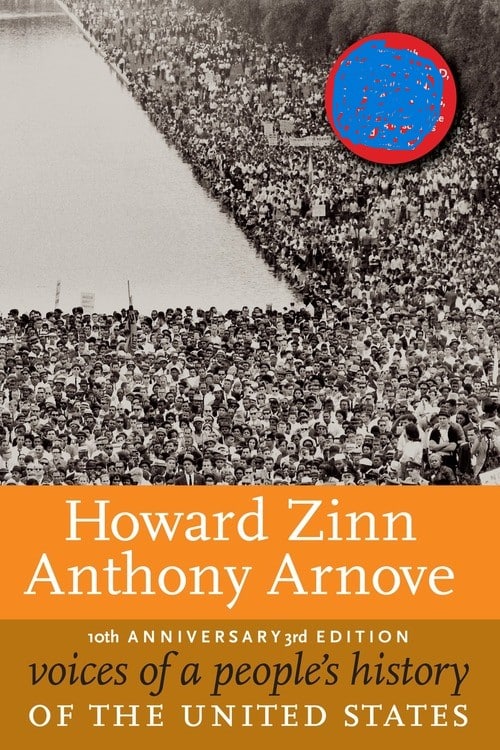
Reprinted from Teaching with Voices of a People’s History of the United States, published by Seven Stories Press.



Twitter
Google plus
LinkedIn