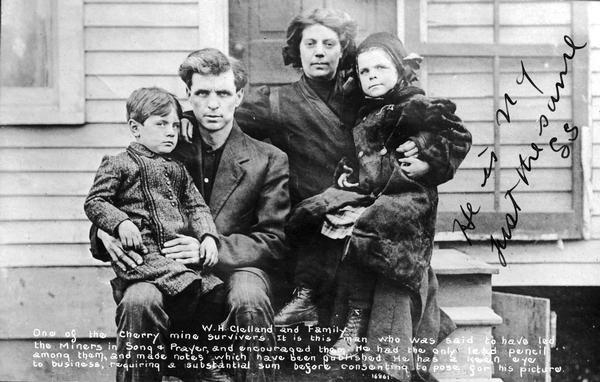
A disaster in the Cherry Mine in Cherry, Illinois, killed 259 boys and men.
Continue reading
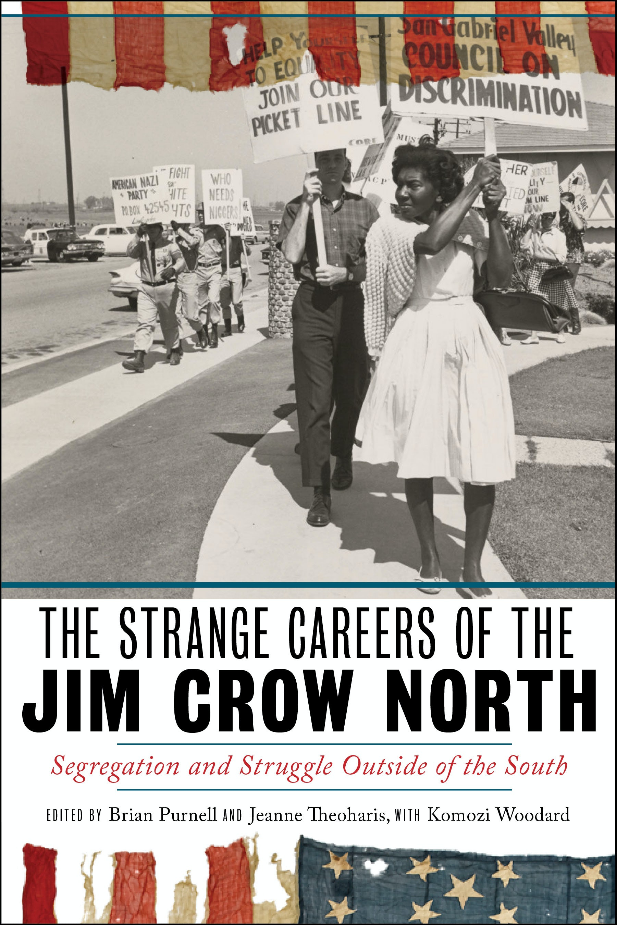
Book — Non-fiction. Edited by Brian Purnell and Jeanne Theoharis with Komozi Woodard. 2019. 352 pages.
This important work shows how the Jim Crow North maintained inequality in the nation’s most liberal places, and chronicles how activists worked to undo those inequities born of Northern Jim Crow.
Continue reading
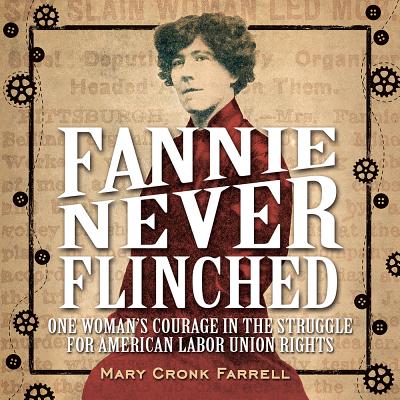
Book — Non-fiction. By Mary Cronk Farrell. 2016. 56 pages.
Biography of labor union activist Fannie Sellins.
Continue reading
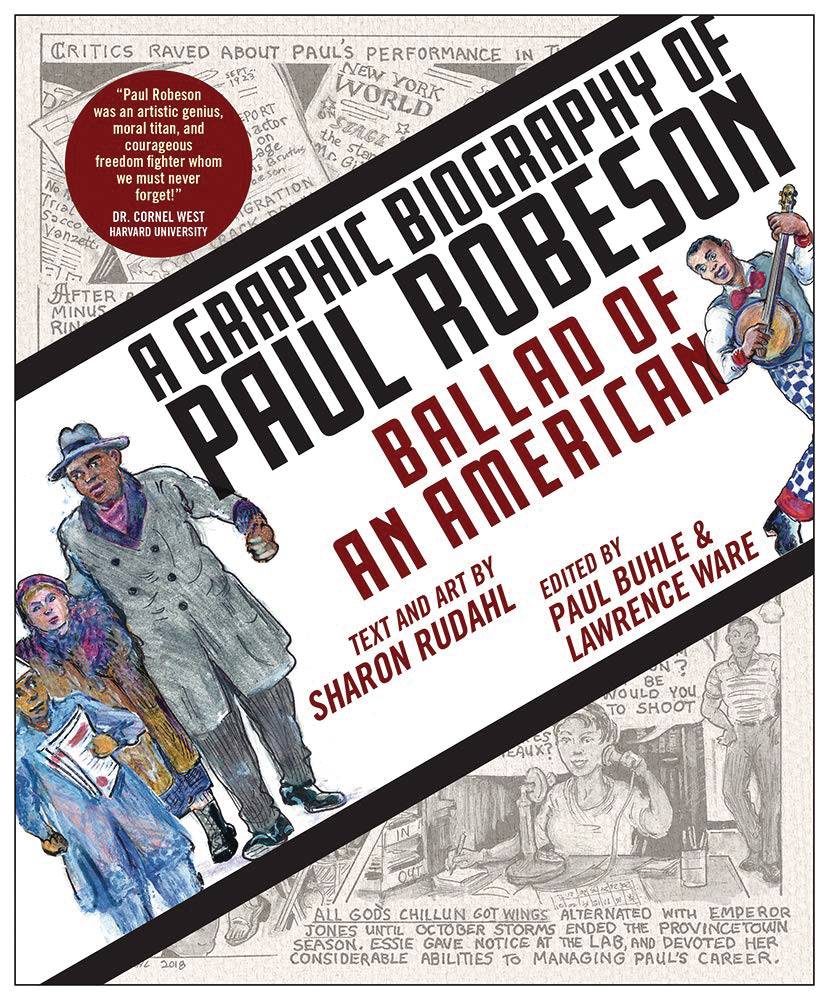
Book — Non-fiction. Written and illustrated by Sharon Rudahl. Edited by Paul Buhle and Lawrence Ware. 2020. 142 pages.
The first-ever graphic biography of Paul Robeson charts Robeson’s career as a singer, actor, scholar, athlete, and activist who achieved global fame.
Continue reading
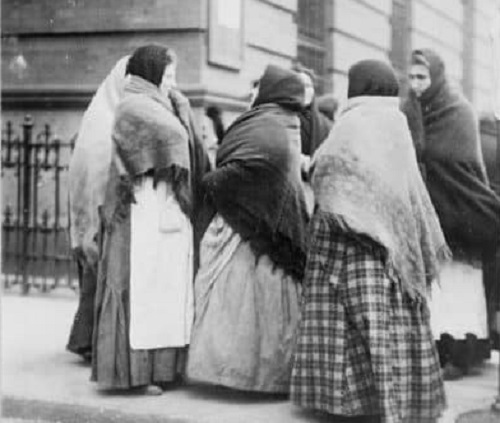
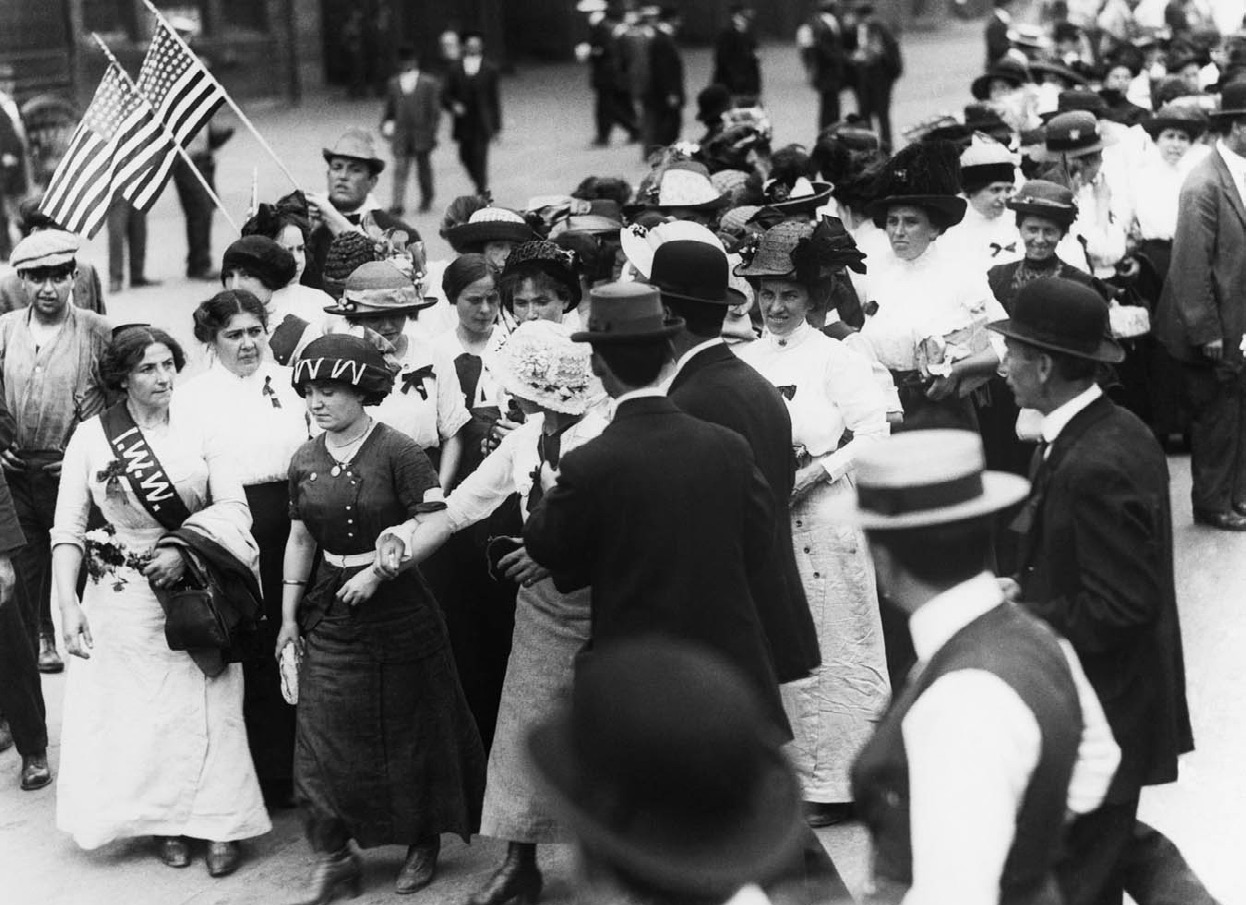
Months of organizing work by 16-year-old Pauline Newman culminated in the start of the largest rent strike in New York City’s history.
Continue reading
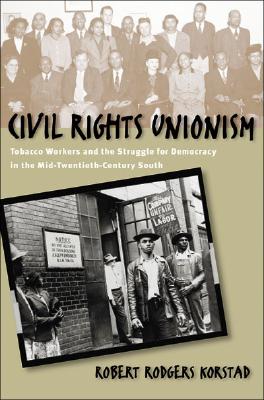
Book — Non-fiction. By Robert Rodgers Korstad. 2003. 576 pages.
Chronicles the rise and fall of the union that represented thousands of African American tobacco factory workers in Winston-Salem, N.C.
Continue reading
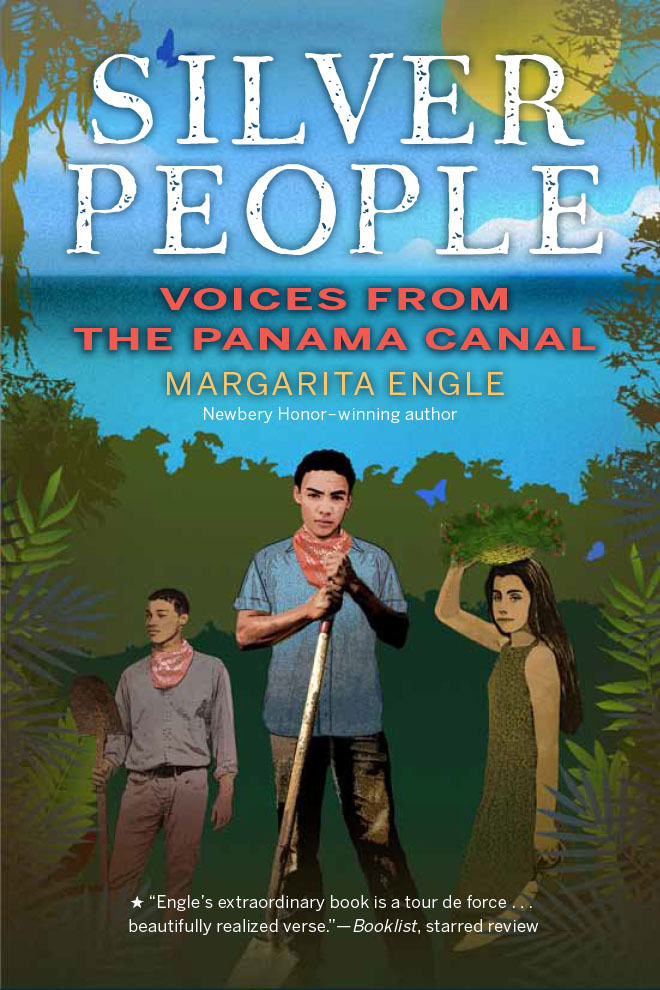
Book — Fiction. By Margarita Engle. 2016. 272 pages.
Historical fiction in free verse about the building of the Panama Canal.
Continue reading
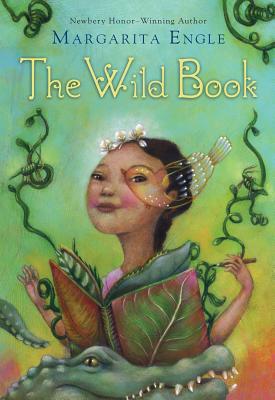
Book — Fiction. By Margarita Engle. 2012. 144 pages.
A portrait in verse of a young girl struggling with dyslexia in Cuba at the turn of the 20th century.
Continue reading
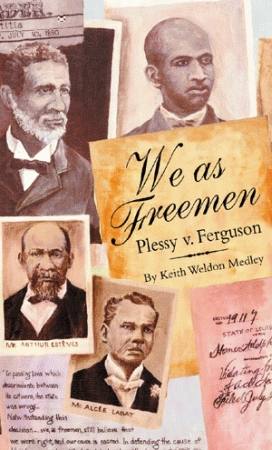
Book — Non-fiction. By Keith Medley. 2012. 256 pages.
This book documents the untold history of the organizing leading up the Plessy v. Ferguson case.
Continue reading
Teaching Activity. By Bill Bigelow and Bob Peterson. Rethinking Schools. 4 pages.
Using photographs to spark creative writing and critical thinking about child labor issues and social justice.
Continue reading
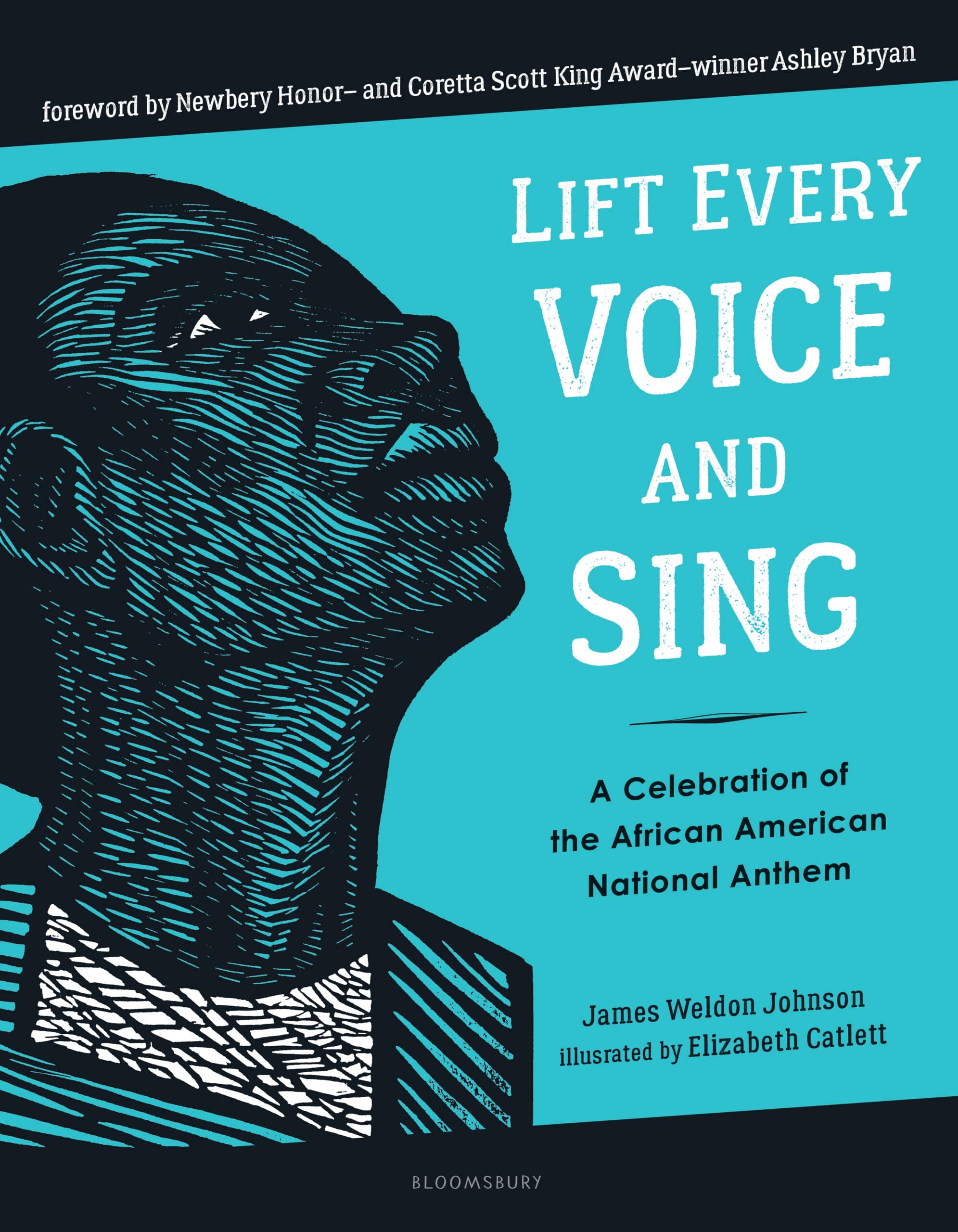
“Lift Every Voice and Sing” was first publicly performed by 500 school children in Jacksonville, Florida. Later, the NAACP adopted the song as the Black National Anthem. The lyrics spoke out against racism and Jim Crow laws.
Continue reading
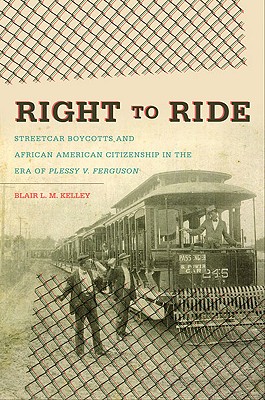
Book — Non-fiction. By Blair L. M. Kelley. 2010. 280 pages.
Examines acts of protest and resistance to segregated trains and streetcars during the early Jim Crow era.
Continue reading
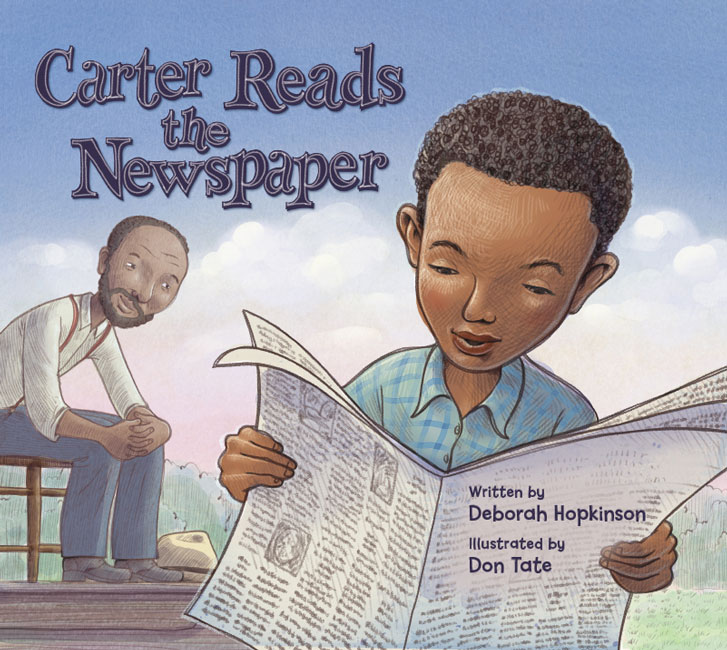
Picture book. By Deborah Hopkinson. Illustrated by Don Tate. 2019. 36 pages.
This picture book chronicles the young life of Dr. Carter G. Woodson, an Appalachian-born Harvard scholar and advocate for African American history. He founded Negro History Week in 1926 (which grew into Black History Month), the Association for the Study of African American Life and History (ASALH), and the Journal of Negro History.
Continue reading
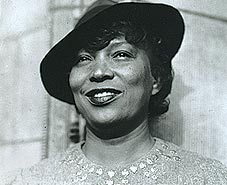
Film. By Kristy Andersen. 2008. 84 minutes.
Documentary about the life, literature, and research of Zora Neale Hurston.
Continue reading
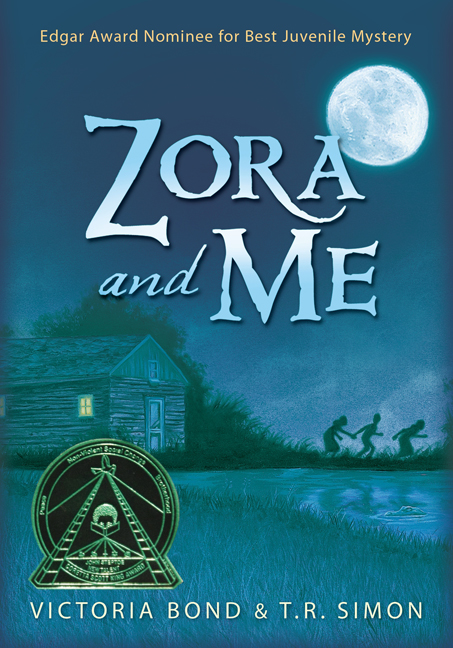
Book — Fiction. By Victoria Bond and T. R. Simon. 2010. 186 pages.
A coming-of-age story inspired by the early life of Zora Neale Hurston for ages 10 and up.
Continue reading
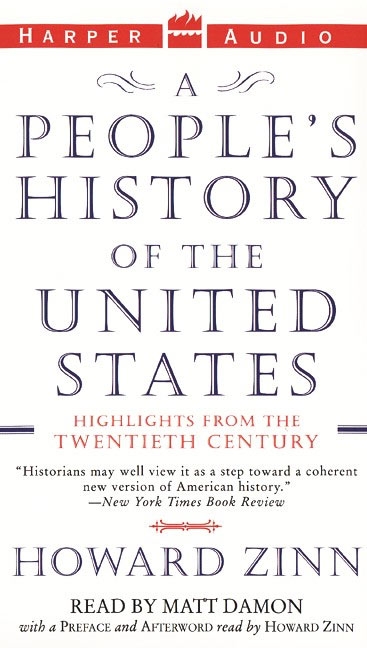
Audio. By Howard Zinn. Read by Matt Damon. 2003. 8 hours, 44 minutes.
Audio book version of excerpted highlights from A People's History of the United States.
Continue reading
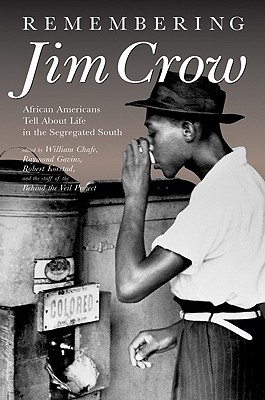
Book — Non-fiction (with CD). Edited by William H. Chafe, Raymond Gavins and Robert Korstad. 2008. 346 pages.
Extensive oral history of African American life under segregation.
Continue reading
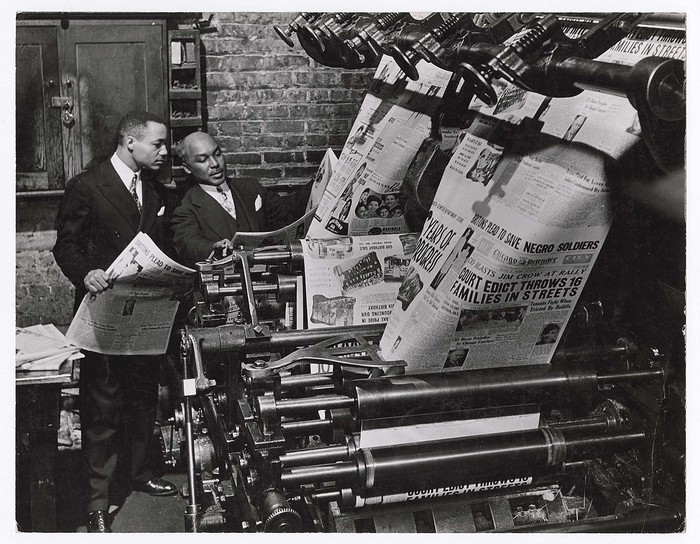
Robert Sengstacke Abbott founded the highly influential newspaper, the Chicago Defender, with the tagline “American Race Prejudice Must Be Destroyed.”
Continue reading
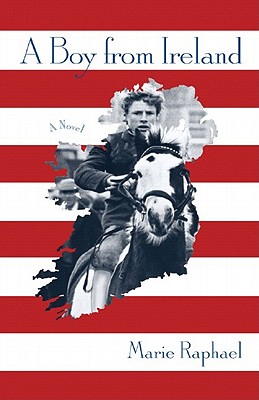
Book — Fiction. By Marie Raphael. 2007. 217 pages.
Historical fiction about the life of the Irish in New York City at the beginning of the 20th century for ages 12+.
Continue reading
Teaching Activity. By Gayle Olson-Raymer. 17 pages.
Questions and teaching ideas for Chapter 13 of Voices of a People's History of the United States on the labor movement at the turn of the century.
Continue reading
Teaching Activity. By Dale Weiss. Rethinking Schools. 3 pages.
A teacher's reflections about a curriculum unit on women's rights contextualizes the history of the feminist movement within the broader struggle of people working for greater equality in the United States.
Continue reading
Teaching Activity. By Bill Bigelow. Rethinking Schools. 3 pages.
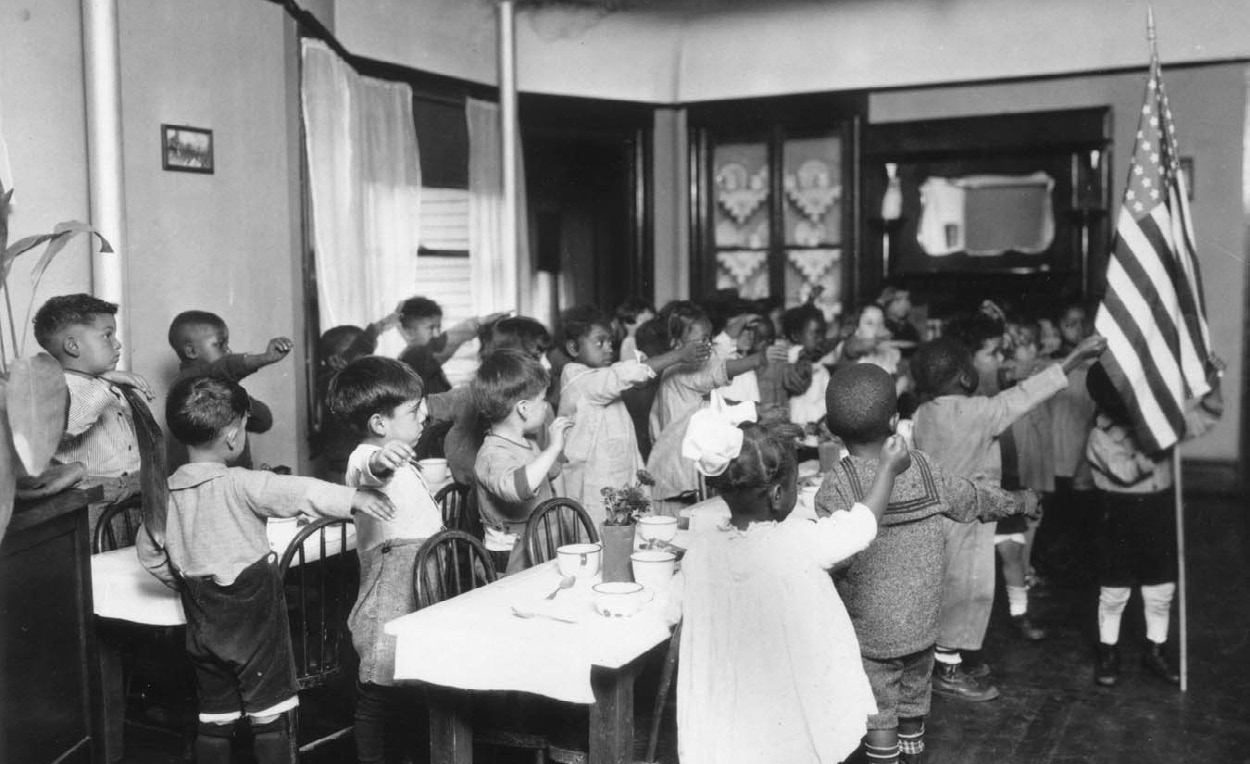
Discussion questions and teaching ideas for examining the history of the Pledge of Allegiance and the political milieu in which it was written.
Continue reading
Teaching Activity. By Wayne Wah Kwai Au. Rethinking Schools. 5 pages.
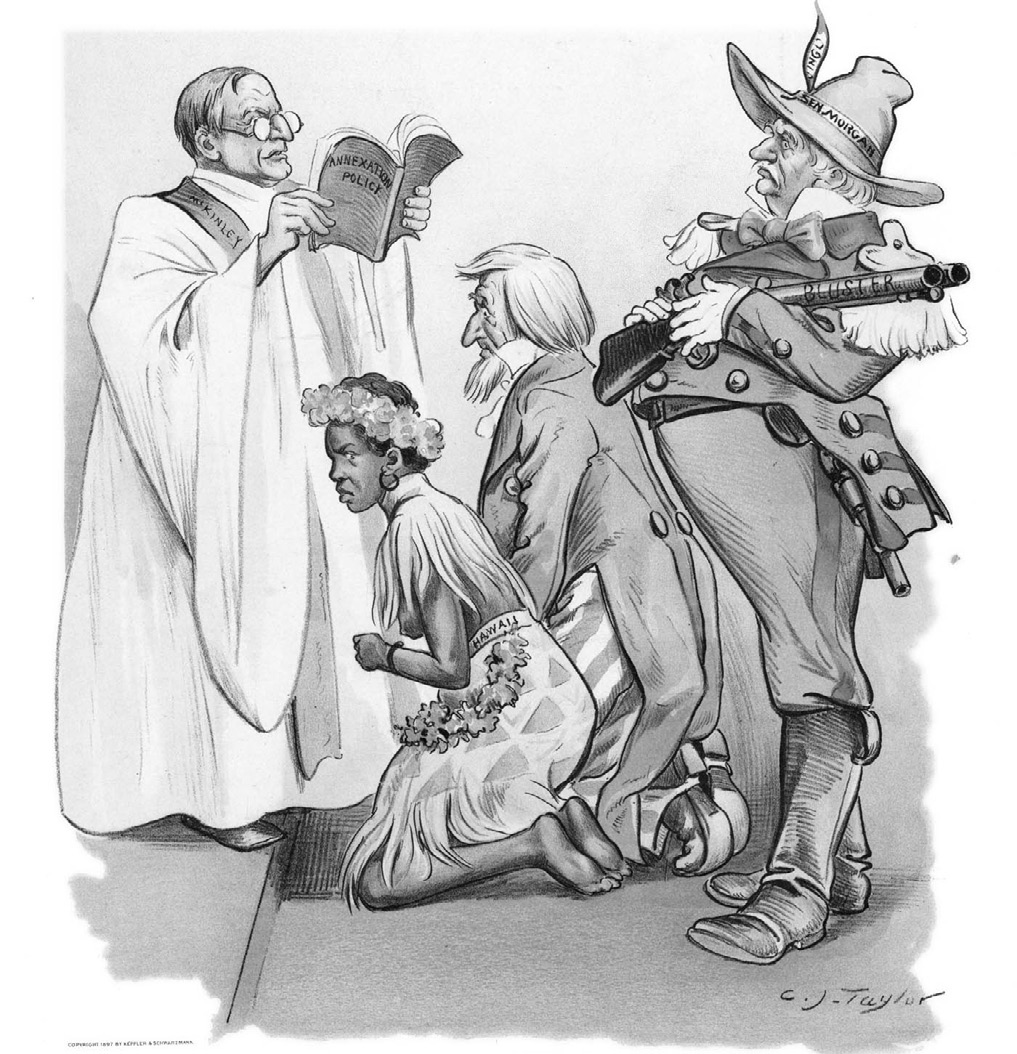
Lesson on the history of Hawai'i and the impact of colonization and tourism.
Continue reading
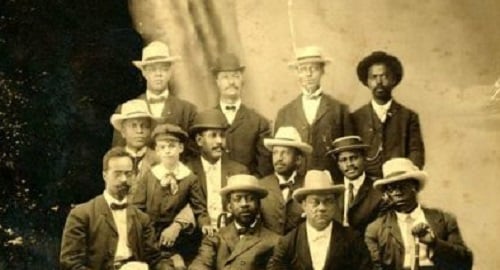
The Niagara Movement — starting as a conference of Black leaders in upstate New York — was formed, paving the way for the creation of the NAACP.
Continue reading