Audio. By Howard Zinn. Read by Matt Damon. 2003. 8 hours, 44 minutes.
Audio book version of excerpted highlights from A People's History of the United States.
Continue reading
Book — Non-fiction. By Alfred Blumrosen and Ruth Blumrosen. 2006. 304 pages.
A detailed account of the role slavery played in the Revolutionary War and the writing of the U.S. Constitution.
Continue reading
Book — Non-fiction. By Ray Raphael. 2003. 288 pages.
The events leading up to the American Revolution.
Continue reading
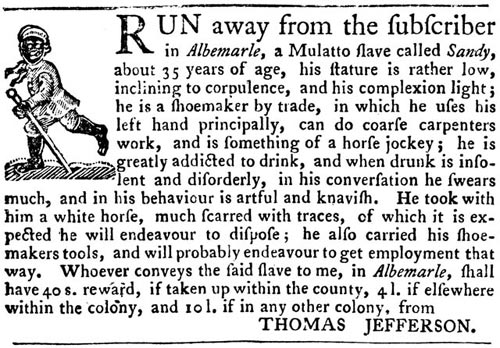
Teaching Activity. By Thom Thacker and Michael A. Lord. Rethinking Schools. 4 pages.
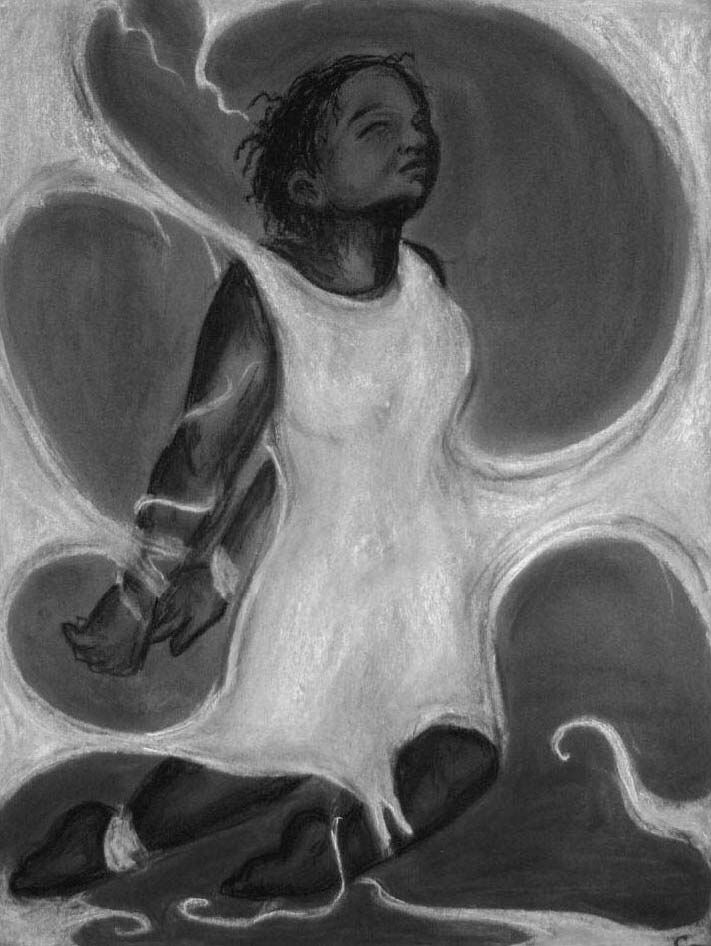
An art contest is used as the basis from which students can examine primary historical documents (advertisements for runaway slaves) to gain a deeper understanding of the institution of slavery in the North.
Continue reading
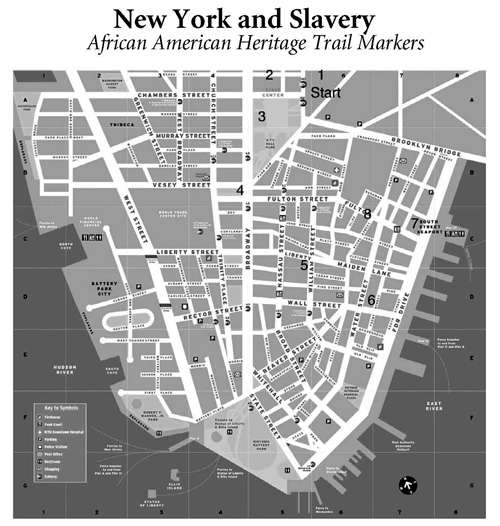
Teaching Activity. By Alan J. Singer. Rethinking Schools. 7 pages.
How a teacher and his students organized a tour of the hidden history of slavery in New York.
Continue reading
Teaching Activity. By Gayle Olson-Raymer. 16 pages.
Questions and teaching ideas for Chapter 5 of Voices of a People's History of the United States on the Revolutionary War as "a rich man's war and a poor man's fight," as well as the failure of early Americans to complete a full revolution.
Continue reading
Teaching Activity. By Gayle Olsen-Raymer. 15 pages.
Questions and teaching ideas for Chapter 3 of Voices of a People's History of the United States on the role and dissent of indentured servants in American colonial history.
Continue reading
Book — Non-fiction. Edited by Milton Meltzer. 1987. 224 pages.
First hand accounts and primary documents on the American Revolution.
Continue reading
Teaching Activity. By Bill Bigelow. 6 pages.
A lesson on the countless colonial laws enacted to create division and inequality based on race. This helps students understand the origins of racism in the United States and who benefits.
Continue reading
Background Reading. By Ray Raphael. 7 pages.
Based on his book Founding Myths, Raphael critiques the textbook portrayal of the American Revolution. The textbooks say that "a few special people forged American freedom" which "misrepresents, and even contradicts, the spirit of the American Revolution."
Continue reading
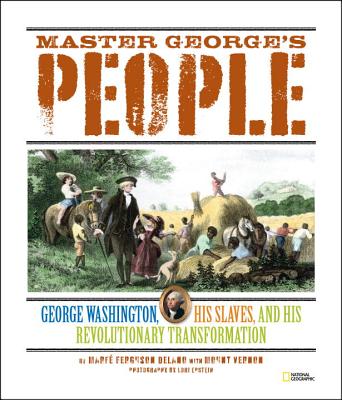
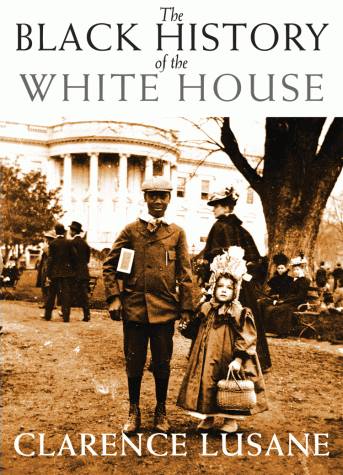
Article. By Clarence Lusane. 2014.
Critical review of an upper elementary non-fiction book about George Washington and the people he kept in bondage.
Continue reading
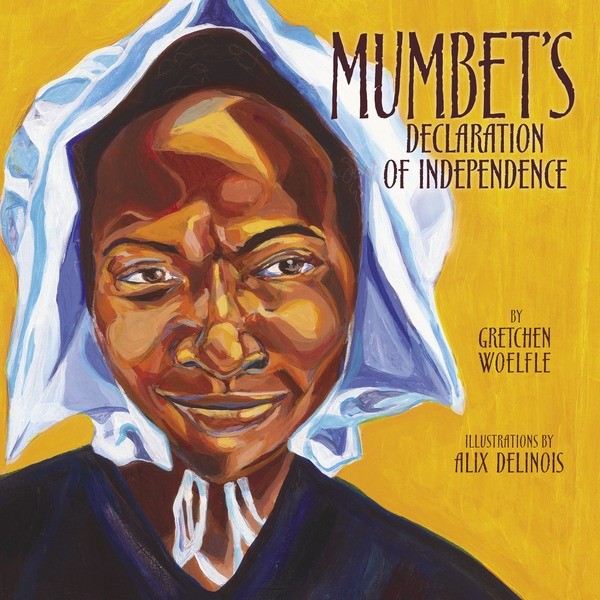
Picture book. By Gretchen Woelfle, with illustrations by Alix Delinois. 2014. 32 pages.
Picture book about true story of Elizabeth Freeman, a woman who challenged the legality of her enslavement.
Continue reading
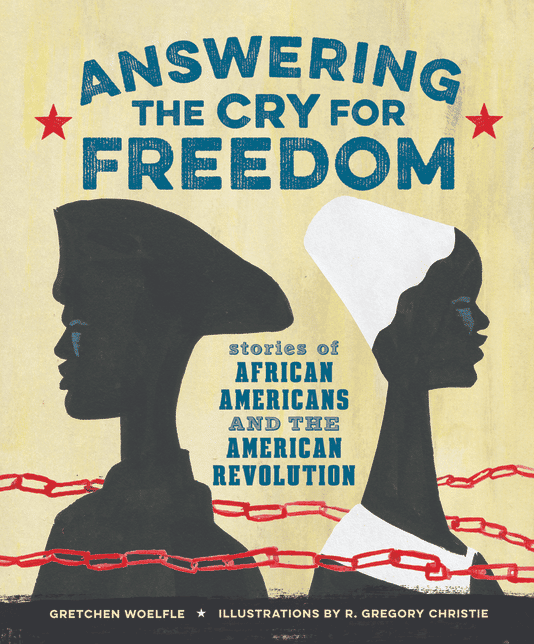
Book — Non-fiction. By Gretchen Woelfle. Illustrated by R. Gregory Christie. 2016. 238 pages.
Profiles of African American, free and enslaved, during the American Revolution for upper elementary to middle school.
Continue reading
Digital collection. Crowdsourcing project that provides access to information, through thousands of print advertisements, about freedom-seekers and their would-be enslavers in the 18th and 19th centuries.
Continue reading
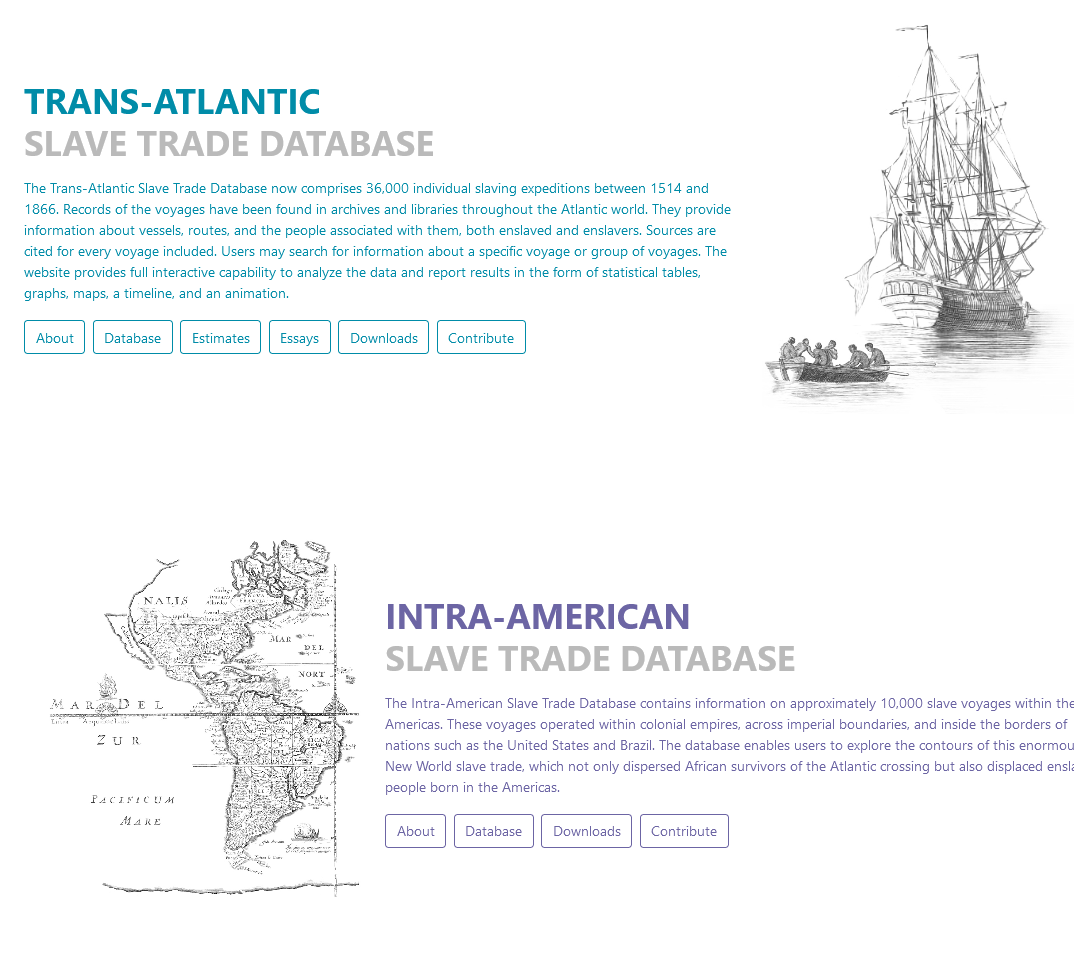
Digital collection.
Through this website, over 130,000 voyages made in the Trans-Atlantic and Intra-American slave trade can be searched, filtered, and sorted by variables including the port of origin, the number of enslaved Africans on board, and the ship's name.
Continue reading
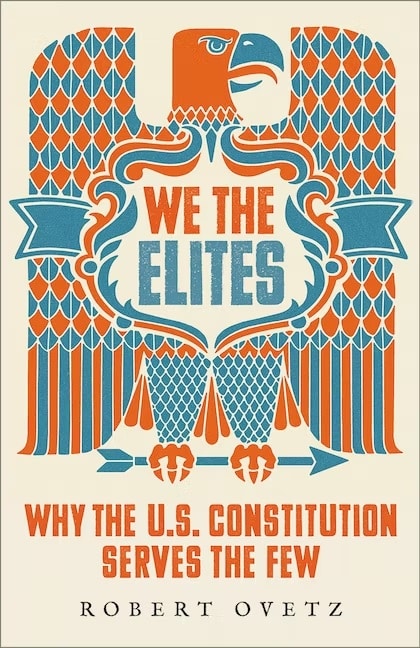
Book — Non-fiction. By Robert Ovetz. 2022. 240 pages.
This collection of essays exposes the U.S. Constitution for what it really is — a rulebook to protect capitalism for the elites.
Continue reading
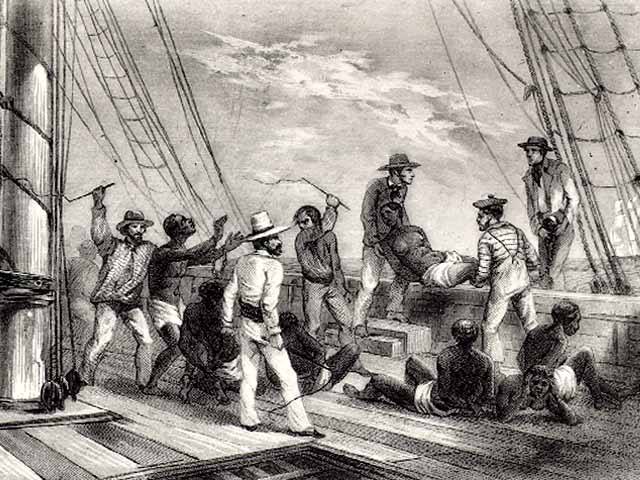
During the Zong Massacre, a ship captain ordered that 54 enslaved Africans be thrown overboard and killed.
Continue reading
Teaching Activity. By Bill Bigelow. 24 pages.
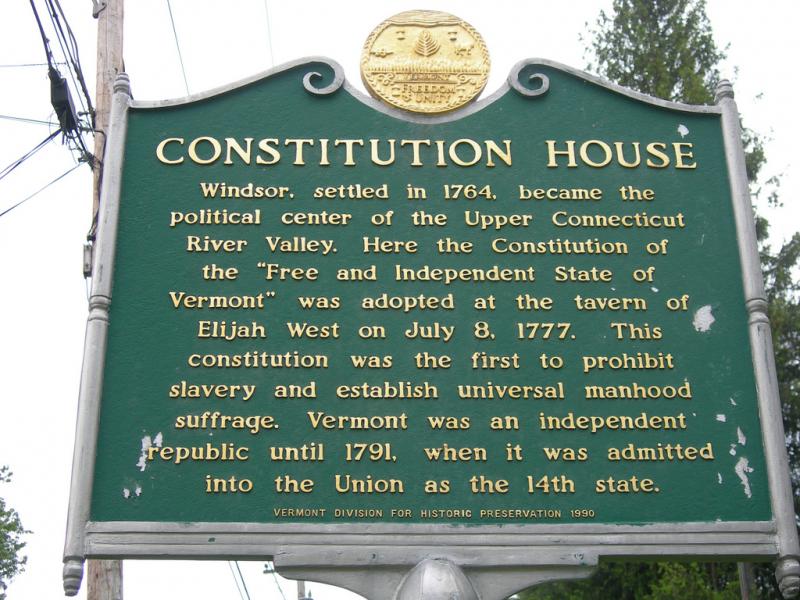
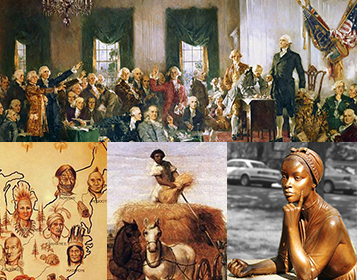
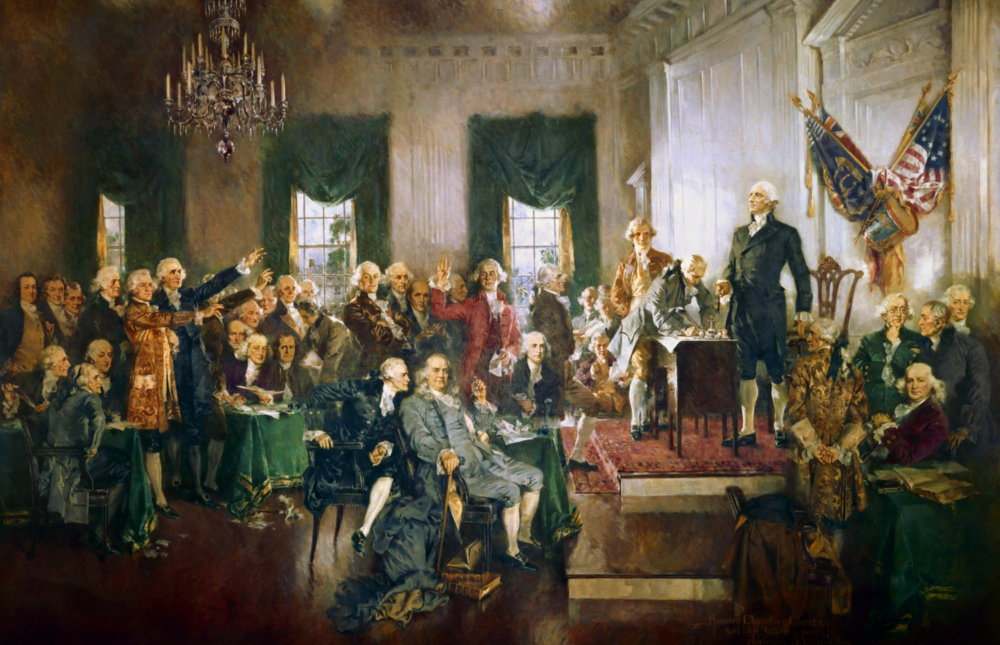
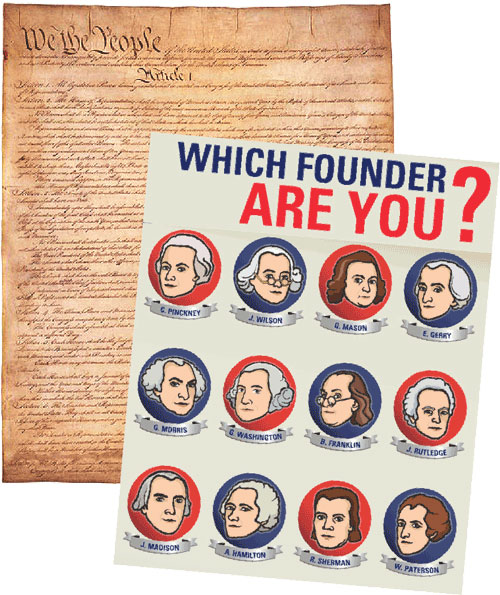
The U.S. Constitution endorsed slavery and favored the interests of the owning classes. What kind of Constitution would have resulted from founders who were representative of the entire country? That is the question addressed in this role play activity.
Continue reading
Teaching Activity. By Bob Peterson. Rethinking Schools. 14 pages.
A role play on the Constitutional Convention which brings to life the social forces active during and immediately following the American Revolution with focus on two key topics: suffrage and slavery. An elementary school adaptation of the Constitution Role Play by Bill Bigelow. Roles available in Spanish.
Teaching Activity by Bob Peterson
Continue reading
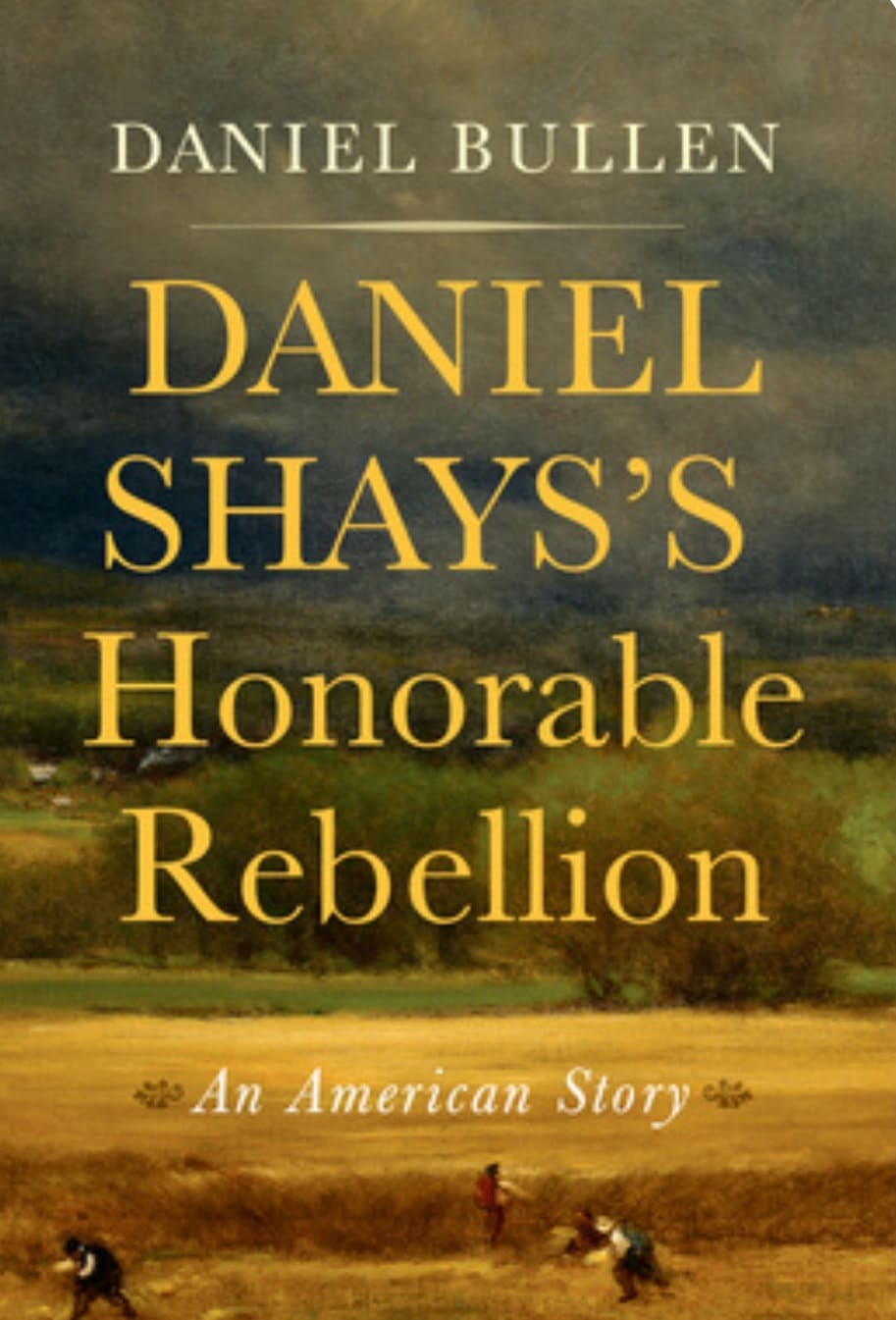
Book — Non-fiction. By Daniel Bullen. 2021. 320 pages.
A history of Shays’ Rebellion, where farmers challenged the state’s authority to seize their farms for flagrantly unjust taxes, told from the protesters’ perspective.
Continue reading
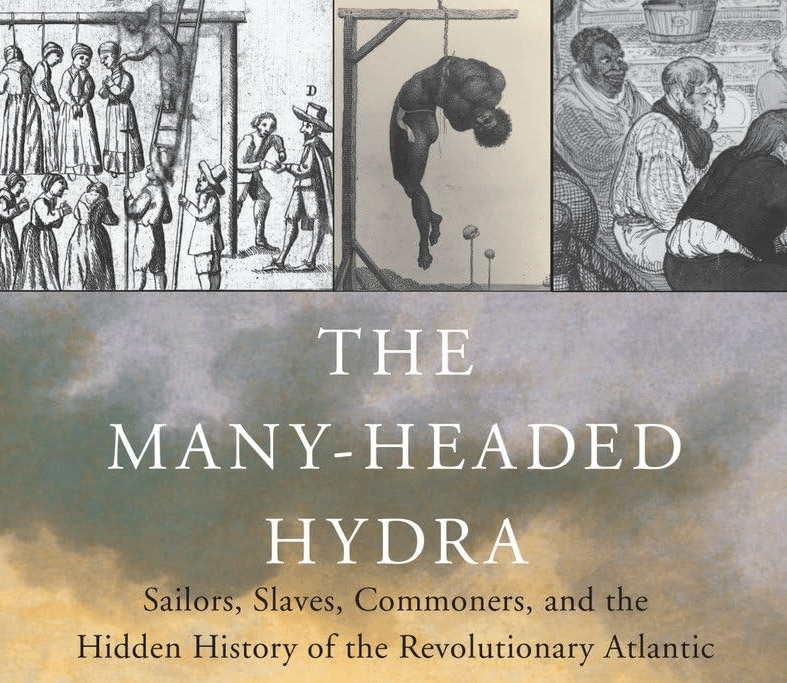
Book — Non-fiction. By Peter Linebaugh and Marcus Rediker. 2013. 448 pages.
A sweeping history of the role of the dispossessed in the making of the modern world.
Continue reading