Teaching Activity. By Gayle Olson-Raymer. 18 pages.
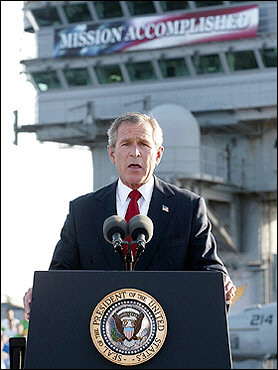
Questions and teaching ideas for Chapter 24 of Voices of a People’s History of the United States on George W. Bush, the "War on Terror," Afghanistan, Iraq, and the Patriot Act.
Continue reading
Radio program and podcast.
Daily news radio program, hosted by Amy Goodman and Juan Gonzalez, with voices rarely heard in corporate media.
Continue reading
Website.
A clearinghouse of over 150 speakers, performers, scholars, artists, exhibits and films, representing a wide range of social and political movements.
Continue reading
Book — Fiction. By Walter Dean Myers. 2009. 320 pages.
Young adult novel about a U.S. soldier in Iraq.
Teaching Activity by Walter Dean Myers
Continue reading
Article. By Bob Peterson.
A critique of social studies textbooks and the rationale for a campaign to rethink them.
Continue reading
Book — Non-fiction. By Eric Schlosser. 2006. 318 pages.
Geared to the young consumer, takes a bite out of fast-food industry.
Continue reading
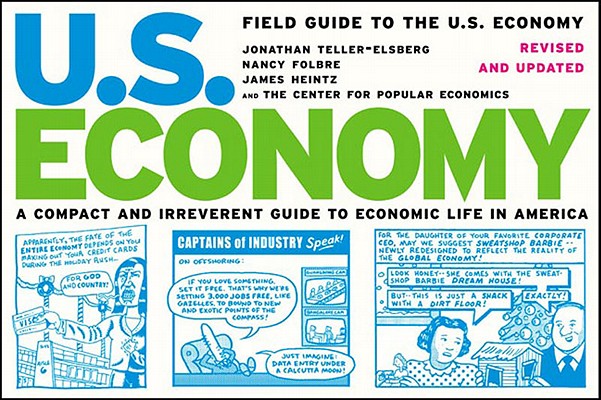
Book — Non-fiction. By Jonathan Teller-Elsberg, James Heintz and Nancy Folbre. 2006. 256 pages.
Easy to read graphs make complex economic data accessible to all ages.
Continue reading
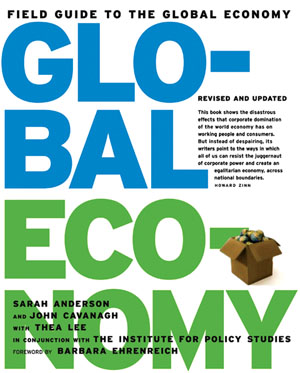
Book — Non-fiction. By Sarah Anderson, John Cavanagh, and Thea Lee. 2005. 160 pages.
The economics of globalization in easy to read charts.
Continue reading
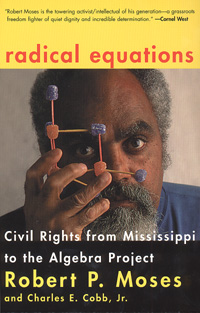
Book — Non-fiction. By Robert P. Moses and Charles E. Cobb Jr. 2001. 256 pages.
Algebra Project founder on math literacy and civil rights.
Continue reading
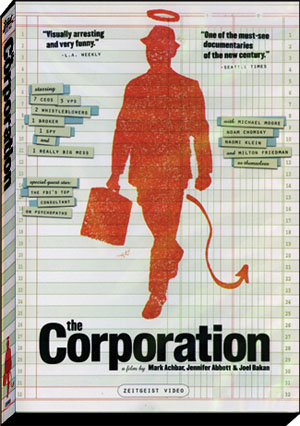
Film. By Mark Achbar, Jennifer Abbott, and Joel Bakan. 2004. 145 minutes.
This award-winning documentary examines the nature, evolution, impacts, and future of the modern business corporation and the increasing role it plays in society and our everyday lives.
Continue reading
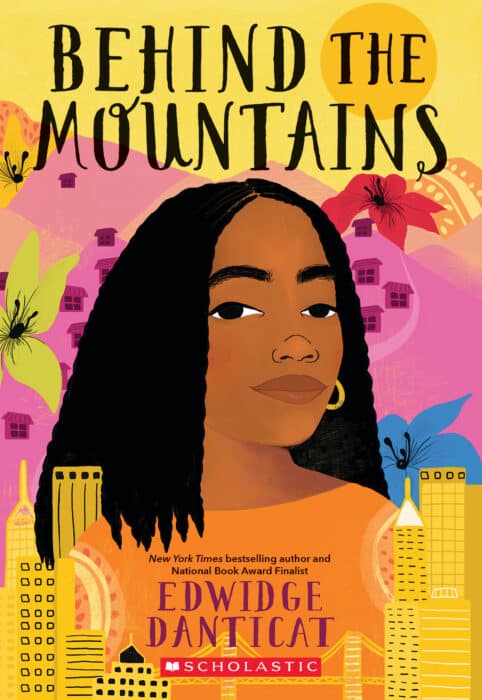
Book — Fiction. By Edwidge Danticat. 2004. 192 pages.
A riveting novel detailing the struggles of a young Haitian girl as she adjusts to life in New York.
Continue reading
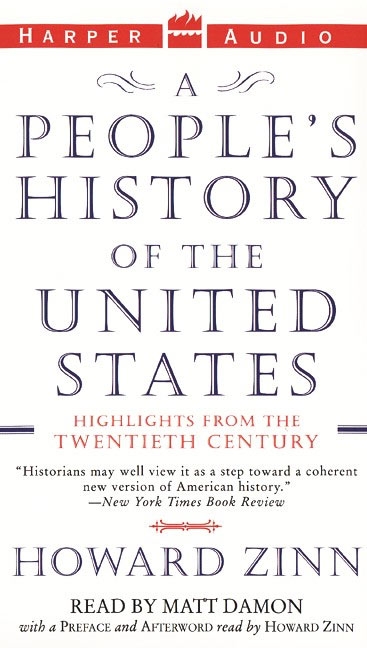
Audio. By Howard Zinn. Read by Matt Damon. 2003. 8 hours, 44 minutes.
Audio book version of excerpted highlights from A People's History of the United States.
Continue reading
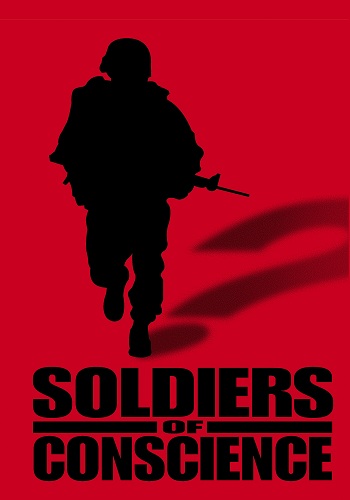
Film. By Catherine Ryan and Gary Weimberg. 2007. 86 minutes.
Documentary about war, peace, and U.S. soldiers in Iraq, from active military to conscientious objectors, wrestling with conscience over killing in war.
Continue reading
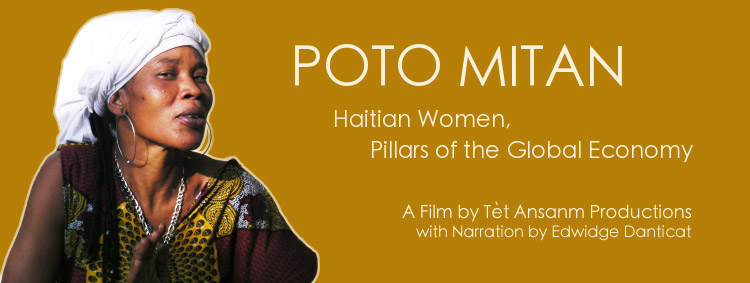
Film and website. Produced by Mary Becker and Renée Bergan. Written and narrated by Edwidge Danticat. 2009. 50 minutes.
Documentary about Haiti and global economics told through the lives of five women.
Continue reading
Film. By Rachael Kamel/JT Takagi. 2002. 60 minutes.
The struggles of immigrants through the personal stories of families in communities in California, Texas, and Iowa.
Continue reading
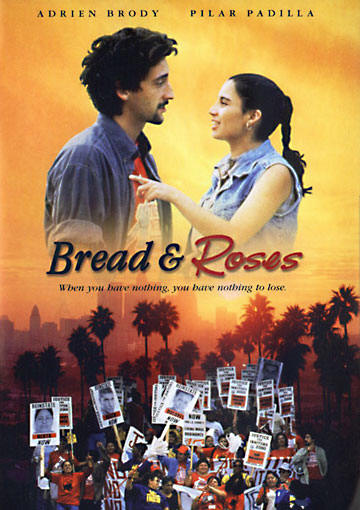
Film. By Ken Loach. 2001. 106 minutes.
A compelling, fictionalized account of an actual labor campaign in Los Angeles.
Continue reading
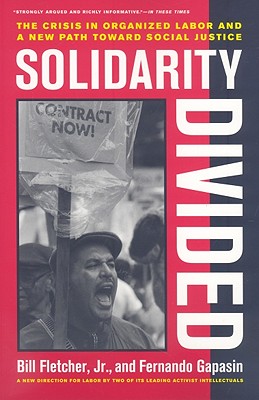
Book — Non-fiction. By Bill Fletcher Jr. and Fernando Gapasin 2009. 304 pages.
A critical examination of labor's current crisis and a plan for social justice in the 21st century.
Continue reading
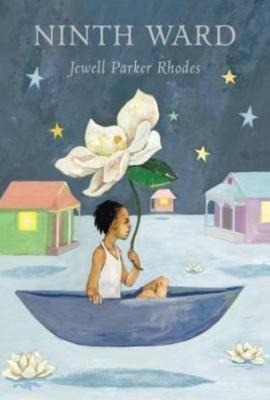
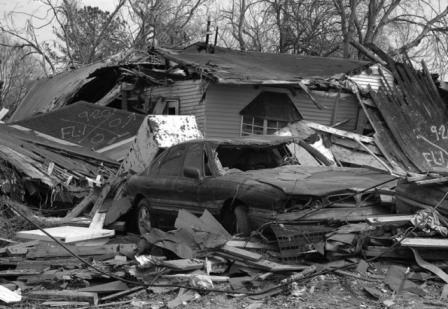
Book — Historical fiction. By Jewell Parker Rhodes. 2010. 224 pages.
Historical fiction for grades 6-12 about the devastation when the levees broke in New Orleans and how people drew on their wits, community, and history to survive.
Continue reading
Book — Non-fiction. By Harriet Rohmer. 2009. 109 pages.
Presents the true stories of 12 people across North America who are challenging environmental devastation. Written for middle school readers.
Continue reading
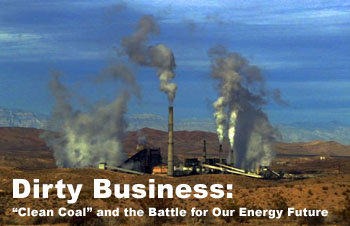
Film. Produced by Peter Bull, Justin Weinstein, Alex Gibney. 2010. 88 minutes.
A feature documentary that addresses the questions: Can coal be made clean? Can renewables and efficiency happen on a scale large enough to replace coal?
Continue reading
Film clip. Voices of a People's History.
Rachel Corrie's "Letter from Palestine" (2003) read by her mother, Cindy Corrie.
Continue reading
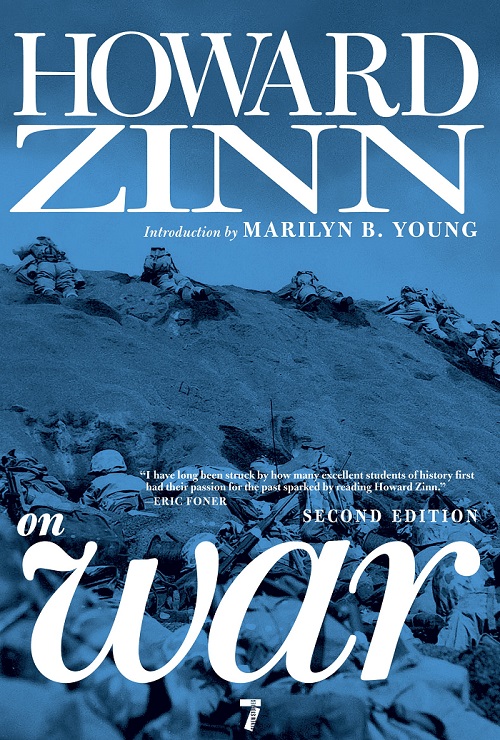
Book — Non-fiction. By Howard Zinn. Introduction by Marilyn B. Young. 2011. 272 pages.
Essays spanning 1962 to 2006 that examine specific wars, wartime incidents, and the force of non-violence to move beyond war, if we are to survive.
Teaching Activity by Howard Zinn
Continue reading
Teaching Activity. By Renée Watson. Rethinking Schools. 7 pages.
A teacher's reflection on the power of poetry to spark critical discussion and reflection on current issues of inequality surrounding disaster response in the United States.
Continue reading
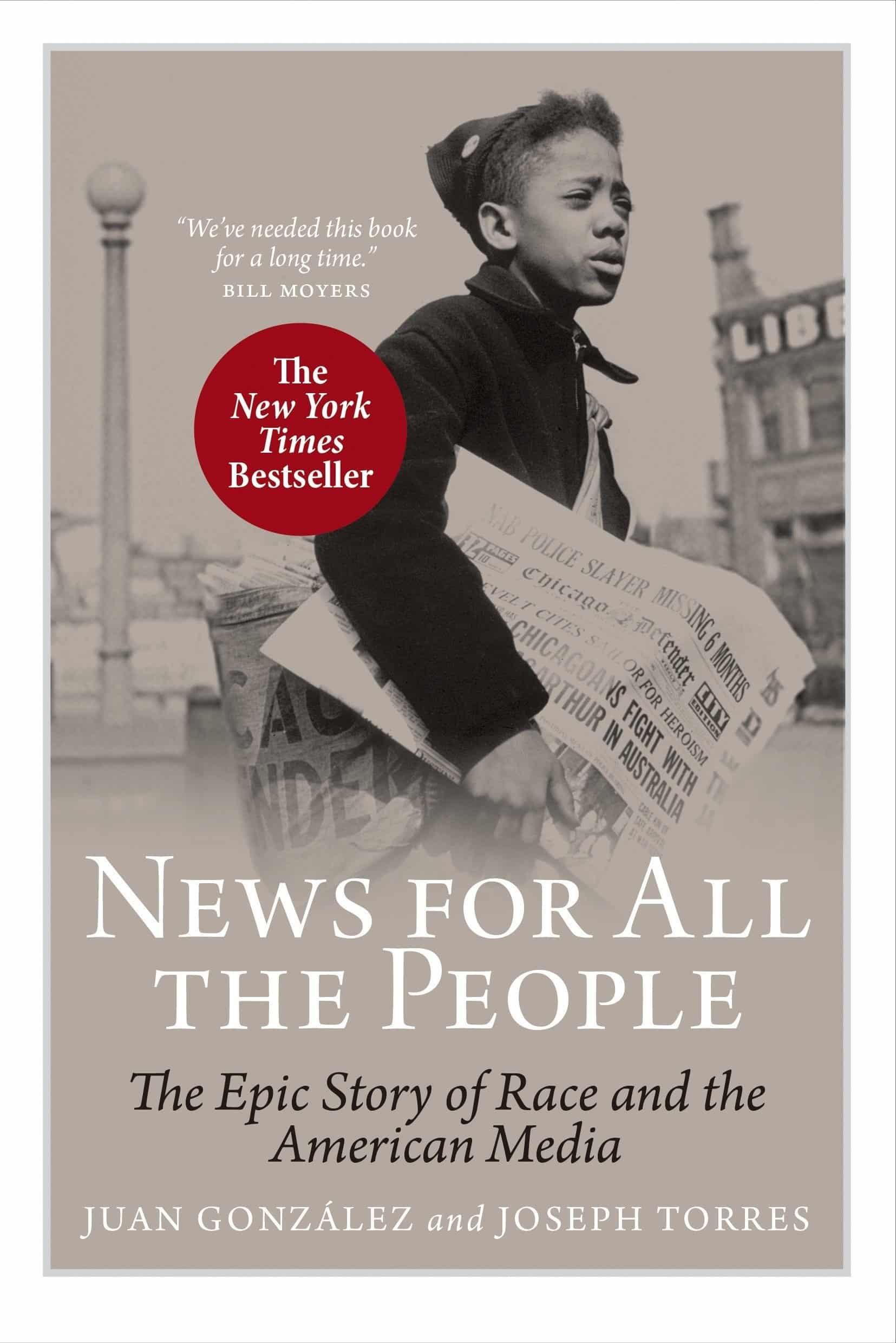
Book — Non-fiction. By Juan González and Joseph Torres. 2011. 256 pages.
The history of media in the United States, through the lens of race.
Continue reading