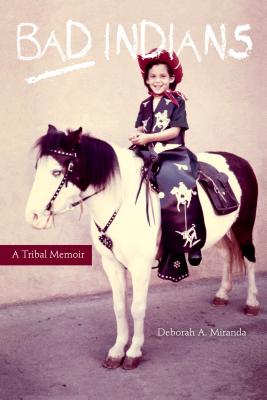
Book — Non-fiction and prose. Deborah A. Miranda. 2012. 240 pages.
A compilation of documents, photos, and memoir that recounts the establishment of missions in California and the impact on Indigenous people—then and today.
Continue reading
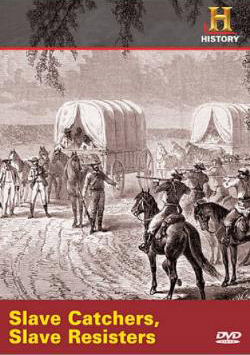
Film. Produced by Judy Richardson, Northern Light Productions for History Channel. 2005. 100 minutes.
Documentary on the many rebellions by enslaved people and other forms of resistance.
Continue reading
Audio. By Howard Zinn. Read by Matt Damon. 2003. 8 hours, 44 minutes.
Audio book version of excerpted highlights from A People's History of the United States.
Continue reading
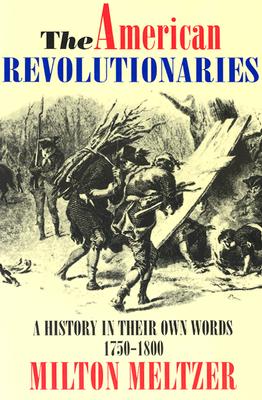
Book — Non-fiction. Edited by Milton Meltzer. 1987. 224 pages.
First hand accounts and primary documents on the American Revolution.
Continue reading
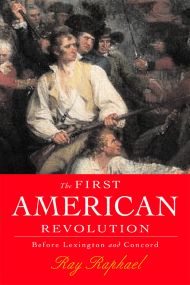
Book — Non-fiction. By Ray Raphael. 2003. 288 pages.
The events leading up to the American Revolution.
Continue reading
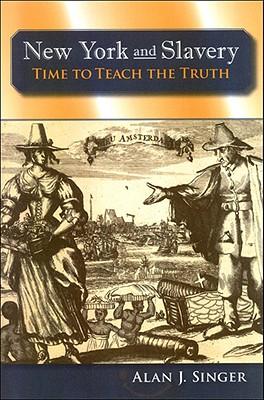
Teaching Guide. By Alan J. Singer. 2008. 178 pages.
Narrative description of slavery in the north and strategies for engaging young people as historians on the topic.
Continue reading
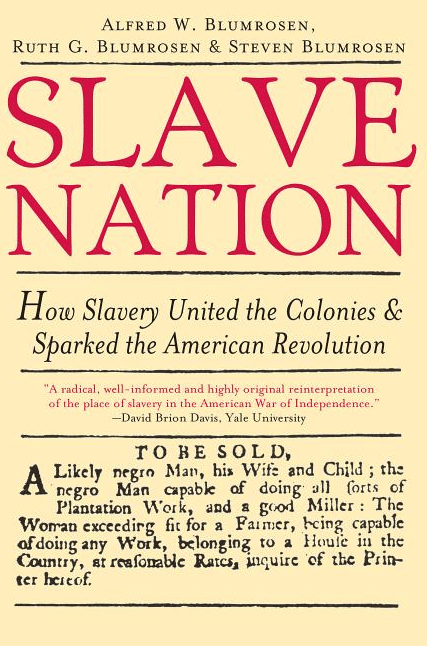
Book — Non-fiction. By Alfred Blumrosen and Ruth Blumrosen. 2006. 304 pages.
A detailed account of the role slavery played in the Revolutionary War and the writing of the U.S. Constitution.
Continue reading
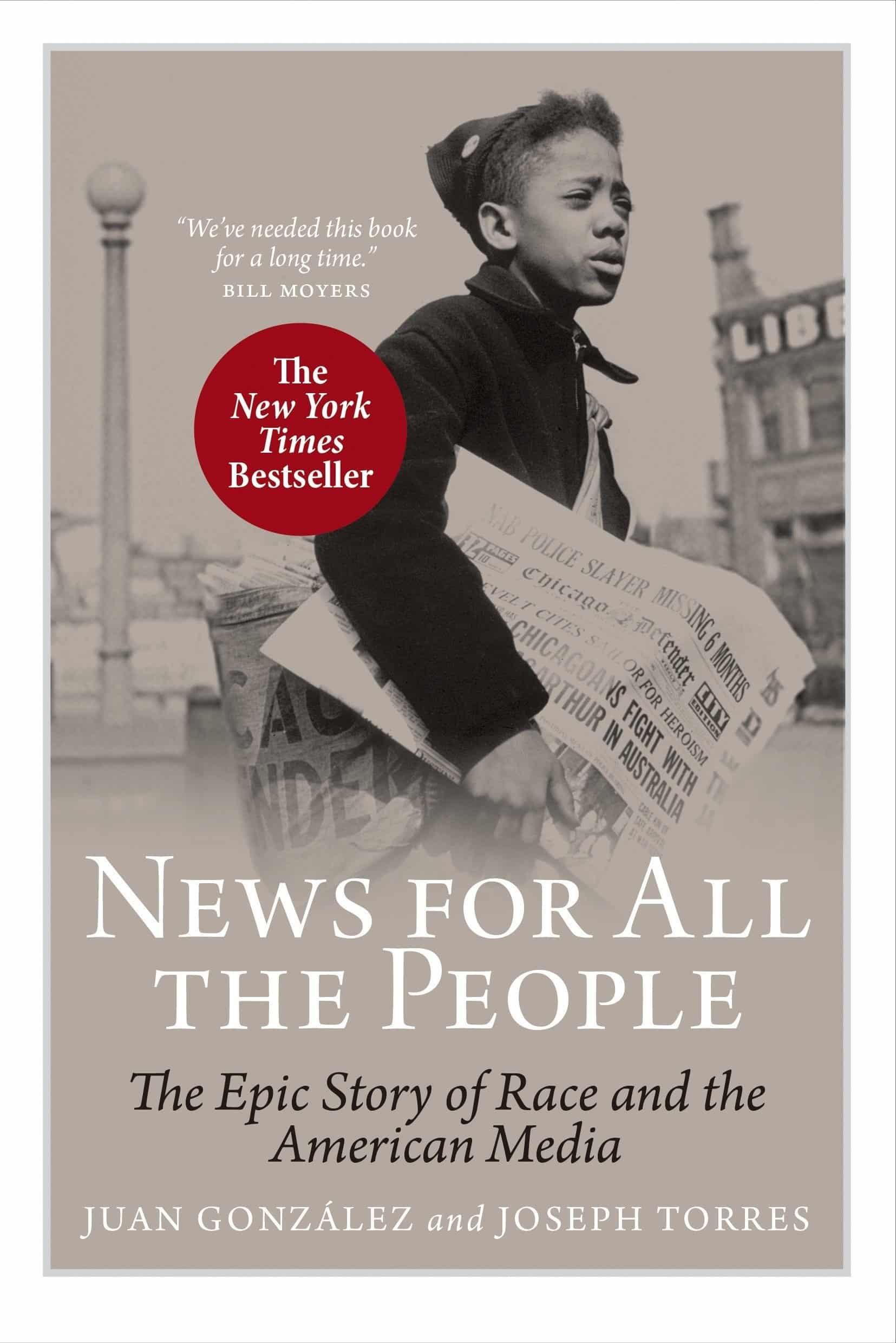
Book — Non-fiction. By Juan González and Joseph Torres. 2011. 256 pages.
The history of media in the United States, through the lens of race.
Continue reading
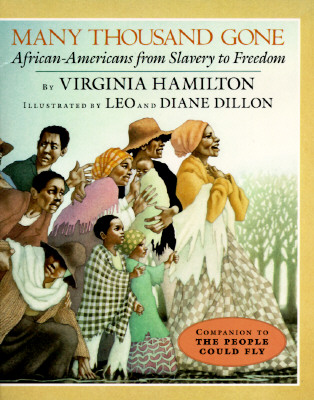
Book — Non-fiction. By Virginia Hamilton. 2002. 160 pages.
An illustrated account of slavery for children based on historical records, personal narratives, and biographies for ages 8 - 12. Includes profiles of Harriet Tubman, Sojourner Truth, and Frederick Douglass.
Continue reading
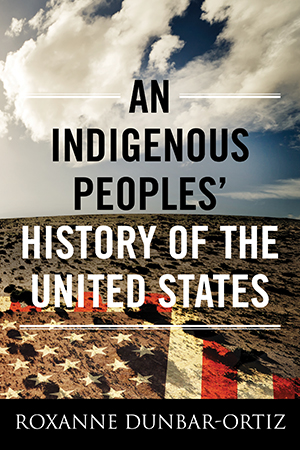
Book — Non-fiction. By Roxanne Dunbar-Ortiz. 2015. 312 pages.
Four hundred years of Native American history from a bottom-up perspective.
Continue reading
Teaching Activity. By Thom Thacker and Michael A. Lord. Rethinking Schools. 4 pages.
An art contest is used as the basis from which students can examine primary historical documents (advertisements for runaway slaves) to gain a deeper understanding of the institution of slavery in the North.
Continue reading
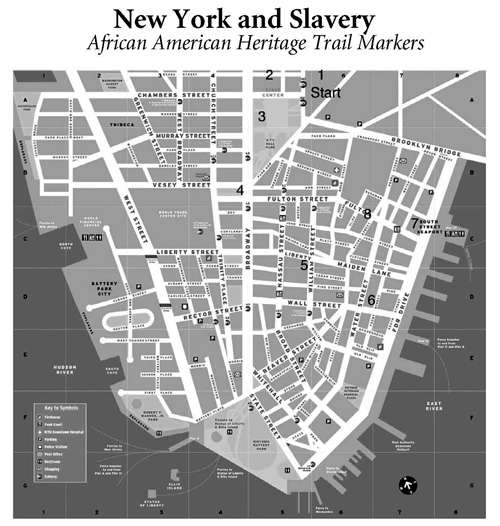
Teaching Activity. By Alan J. Singer. Rethinking Schools. 7 pages.
How a teacher and his students organized a tour of the hidden history of slavery in New York.
Continue reading
Teaching Activity. By Gayle Olson-Raymer. 16 pages.
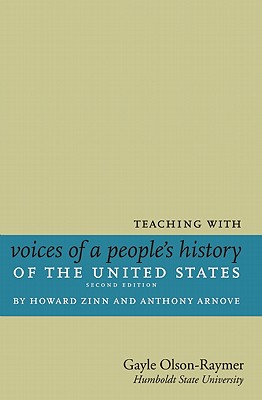
Questions and teaching ideas for Chapter 5 of Voices of a People's History of the United States on the Revolutionary War as "a rich man's war and a poor man's fight," as well as the failure of early Americans to complete a full revolution.
Continue reading
Teaching Activity. By Gayle Olsen-Raymer. 15 pages.
Questions and teaching ideas for Chapter 3 of Voices of a People's History of the United States on the role and dissent of indentured servants in American colonial history.
Continue reading
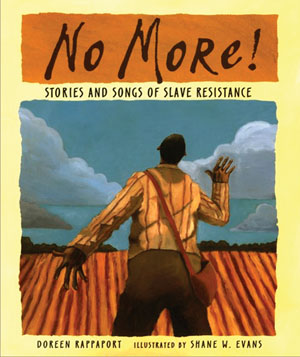
Picture book. By Doreen Rappaport. Illustrated by Shane W. Evans. 2005. 64 pages.
Picture book for upper elementary/middle school on the many forms of resistance to slavery.
Continue reading
Teaching Activity. By Bill Bigelow. 6 pages.
A lesson on the countless colonial laws enacted to create division and inequality based on race. This helps students understand the origins of racism in the United States and who benefits.
Continue reading
Background Reading. By Ray Raphael. 7 pages.
Based on his book Founding Myths, Raphael critiques the textbook portrayal of the American Revolution. The textbooks say that "a few special people forged American freedom" which "misrepresents, and even contradicts, the spirit of the American Revolution."
Continue reading
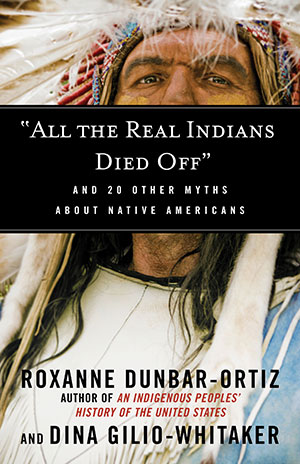
Book — Non-fiction. By Roxanne Dunbar-Ortiz and Dina Gilio-Whitaker. 2016. 224 pages.
Deconstructs persistent myths about American Indians rooted in fear and prejudice — an astute and lively primer of European-Indian relations.
Continue reading
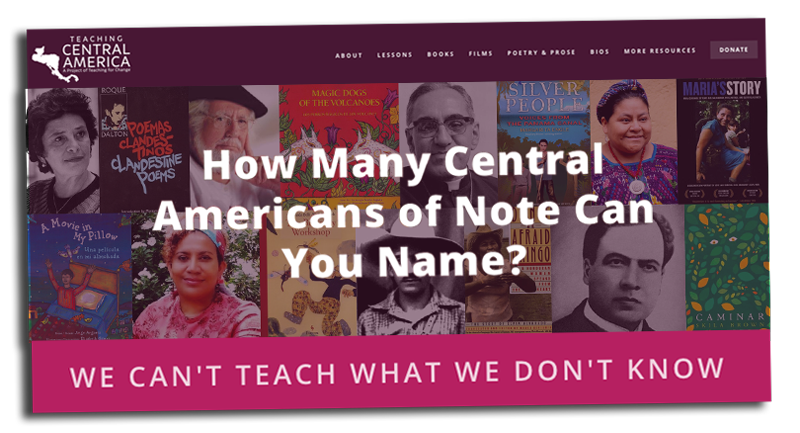
Website.
An online collection of lessons, book lists, biographies of noted historical figures, and readings for free use by classroom teachers.
Continue reading
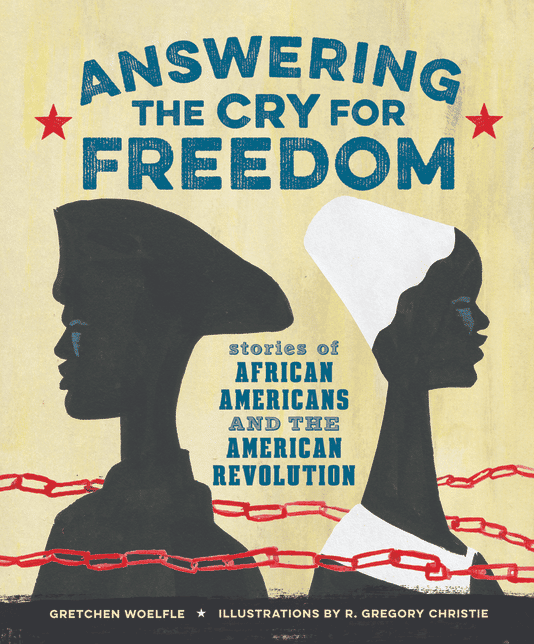
Book — Non-fiction. By Gretchen Woelfle. Illustrated by R. Gregory Christie. 2016. 238 pages.
Profiles of African American, free and enslaved, during the American Revolution for upper elementary to middle school.
Continue reading
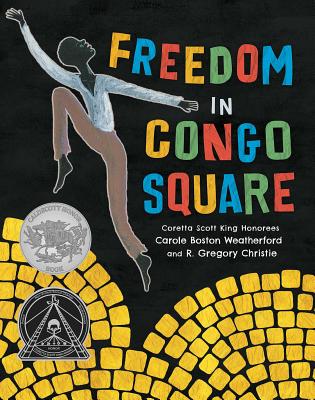
Book — Non-fiction. By Carole Boston Weatherford. Illustrated by R. Gregory Christie. 2016. 40 pages.
Introduces children to the brutality of slavery and the role of culture in resistance.
Continue reading
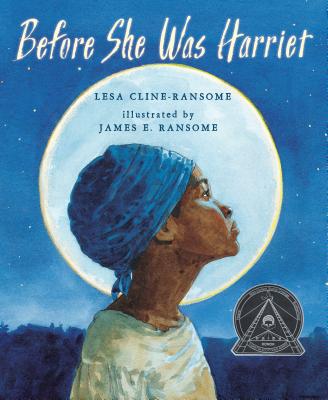
Picture book. By Lesa Cline-Ransome and James E. Ransome. 2017. 32 pages.
An illustrated biography of Harriet Tubman written in verse.
Continue reading
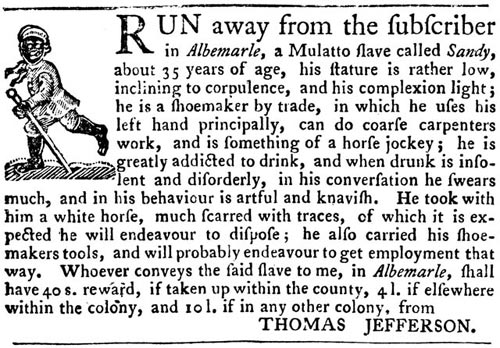
Digital collection. Crowdsourcing project that provides access to information, through thousands of print advertisements, about freedom-seekers and their would-be enslavers in the 18th and 19th centuries.
Continue reading
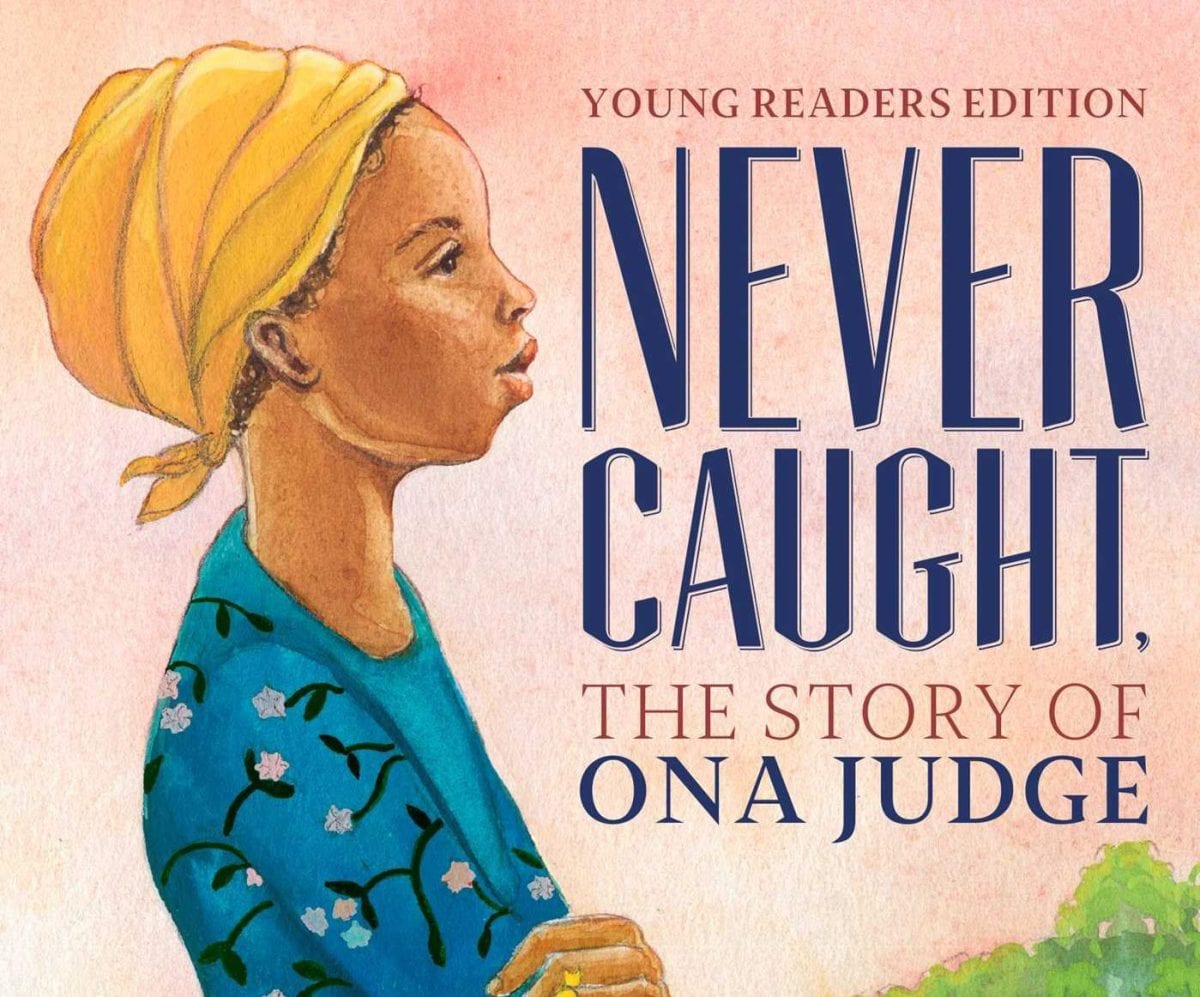
Book — Non-fiction. By Erica Armstrong Dunbar and Kathleen Van Cleve. 2019. 272 pages.
This is the true story of Ona Judge who escaped from enslavement by George and Martha Washington.
Continue reading
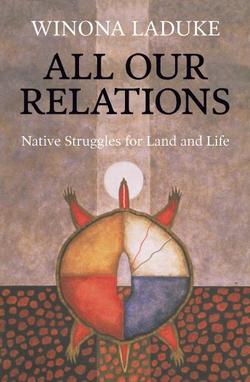
Book — Non-fiction. By Winona LaDuke. 1999.
Native American activists provide testimonies to indigenous efforts to resist oppression and fight both cultural and environmental degradation in the face of U.S. colonialism.
Continue reading