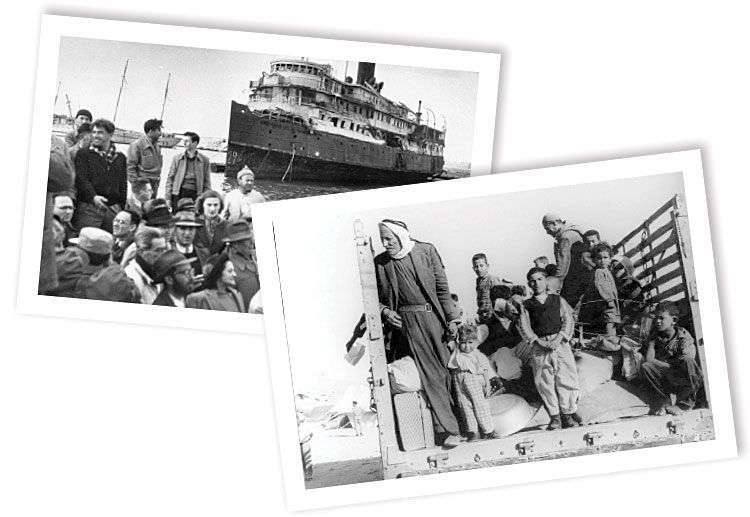
Lessons and books for K-12 on the history of Palestine and the current crisis.
Continue reading
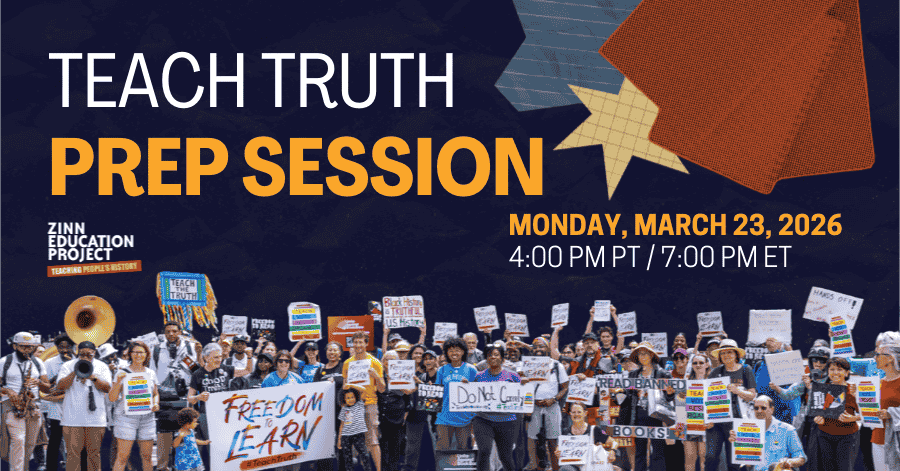
At this Teach Truth Prep Session, participants will hear from the growing chorus of diverse voices speaking out to defend students’ freedom to learn and educators’ freedom to teach.
Continue reading
Resources to introduce the U.S.-Israeli war against the people of Iran in the context of history and imperialism.
Continue reading
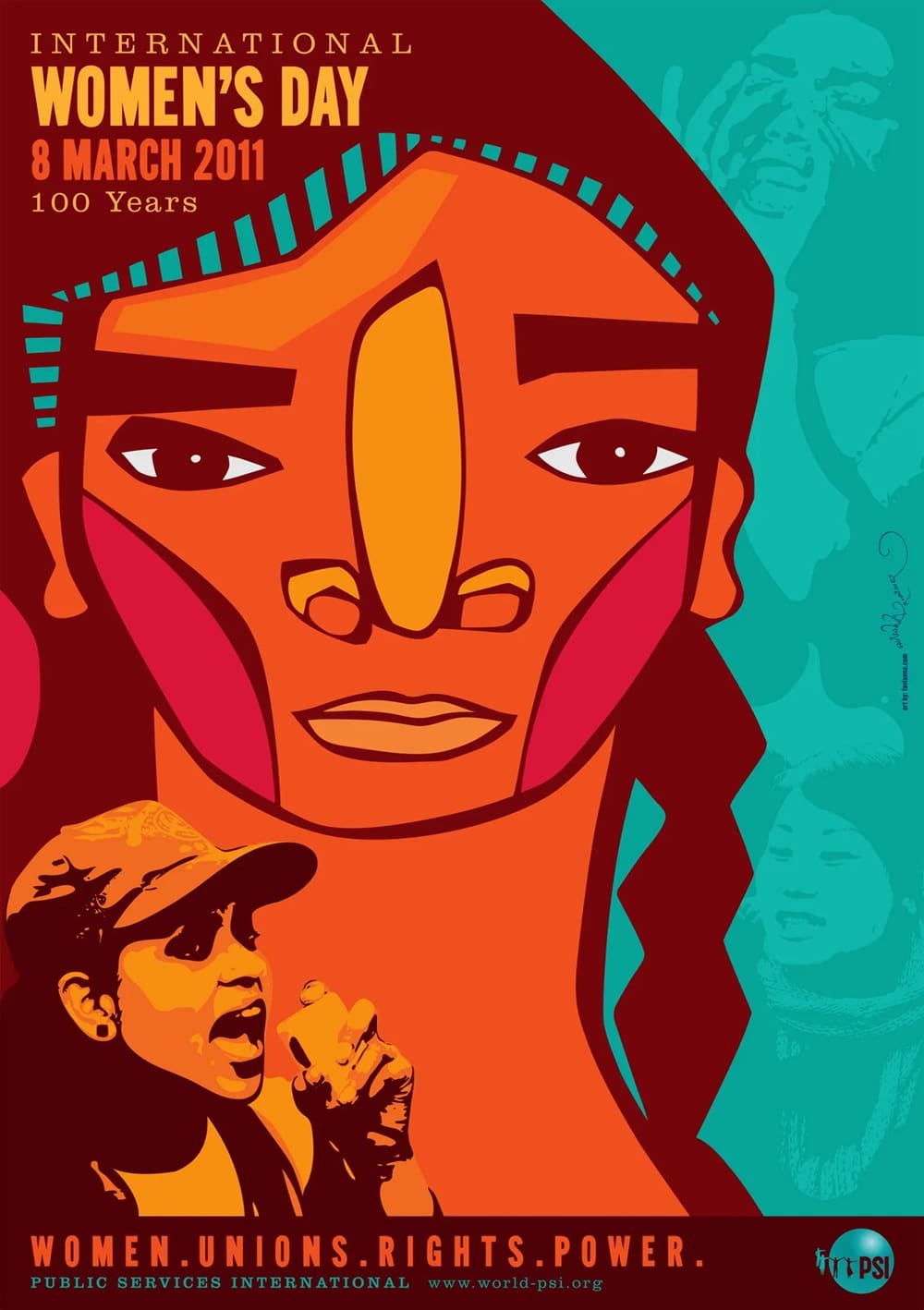
For International Women’s Day and Women’s History Month, we offer a collection of classroom resources, including bios of women in labor history, a class on A Black Women's History of the United States, a SNCC toolkit on women & gender, this day in people's history posts, a lesson on Black women and voting rights, a lesson on Seneca Falls, recommended children's books, and more.
Continue reading
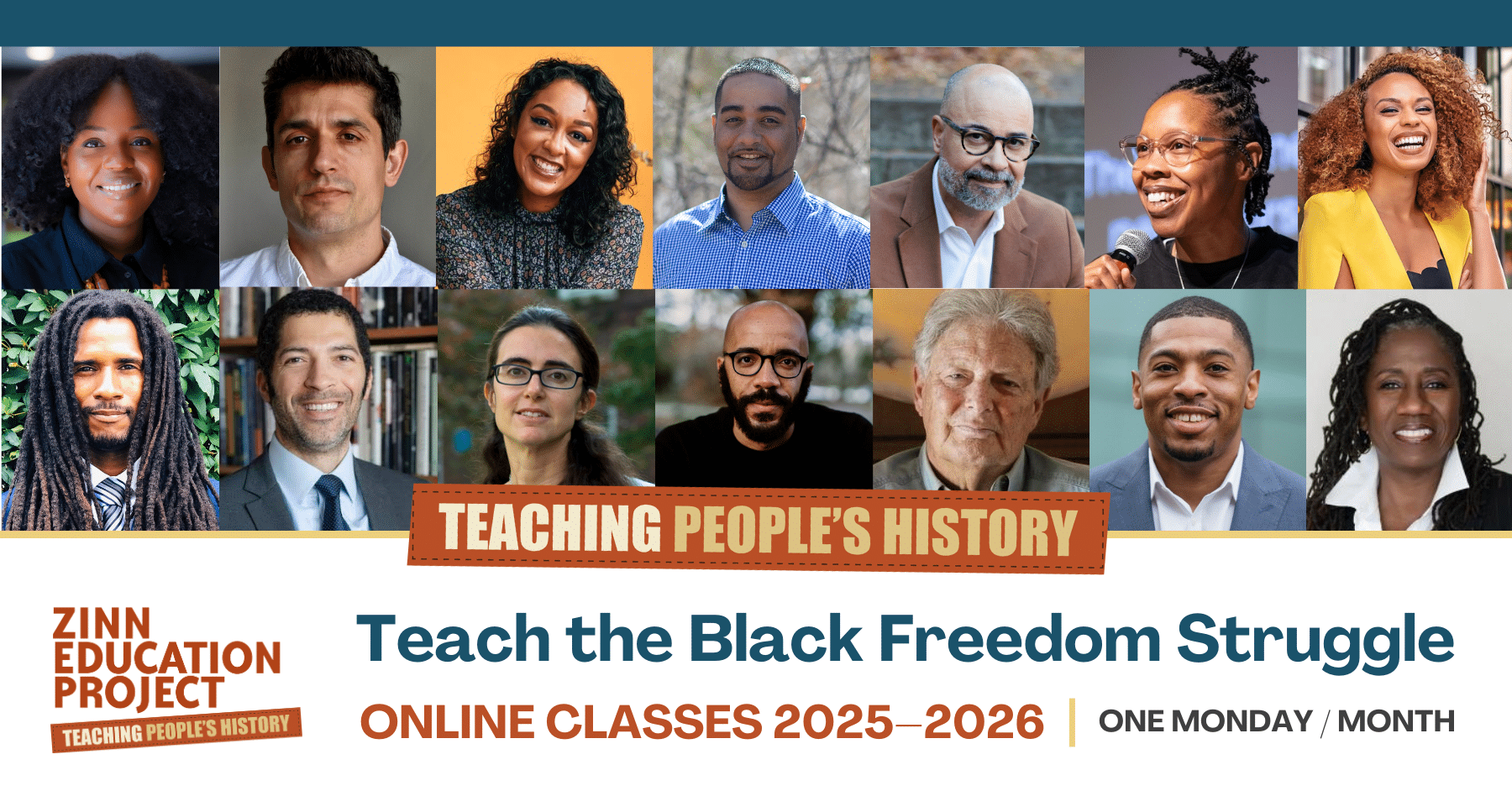
Online classes for educators on teaching the Black Freedom Struggle. People's historians interviewed by classroom teachers and teacher educators.
Continue reading
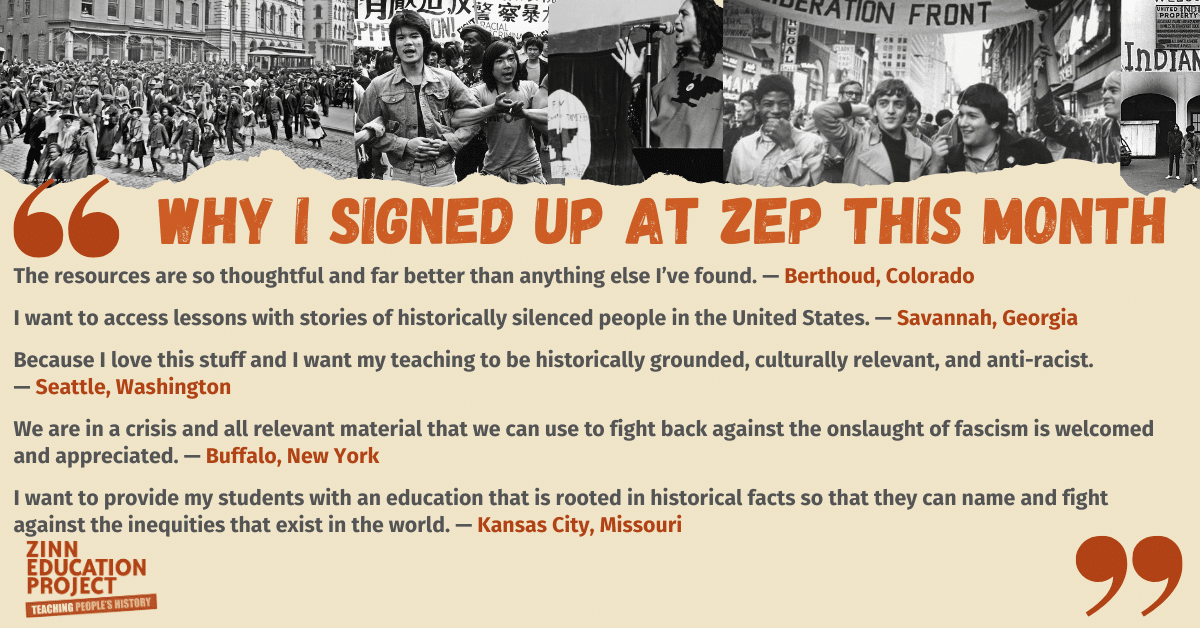
Hundreds of educators register for free each month at the Zinn Education Project to access lessons and other resources. Here’s why.
Continue reading
Our annual Prentiss Charney fellowship offers support for a cohort of people’s history educator leaders to study, learn, and organize together. Read spotlights from both Prentiss Charney Fellows cohorts.
Continue reading
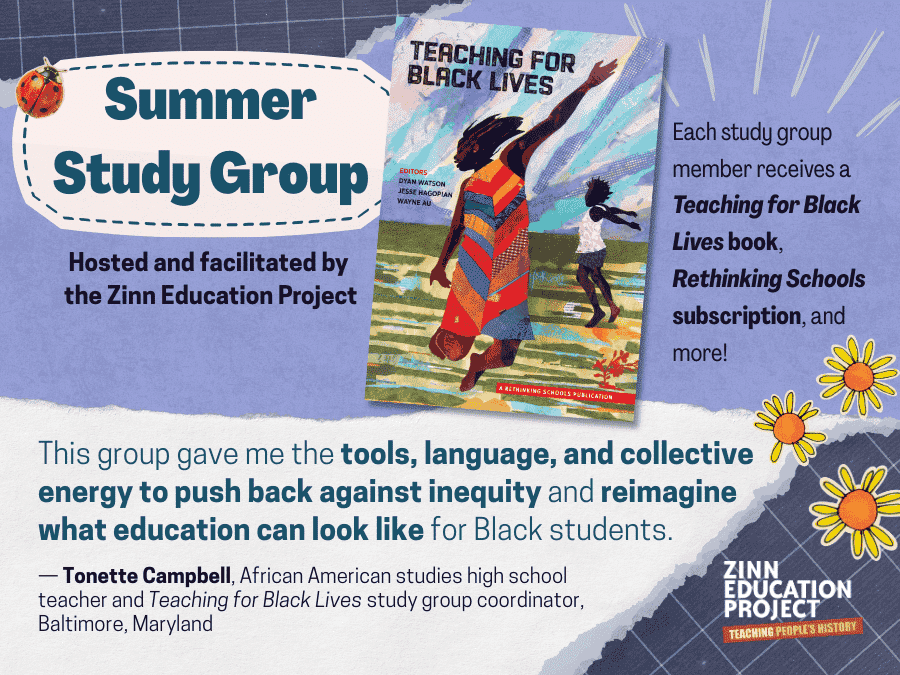
In the summer of 2026, the Zinn Education Project will host and facilitate a Teaching for Black Lives study group for educators across the United States.
Continue reading
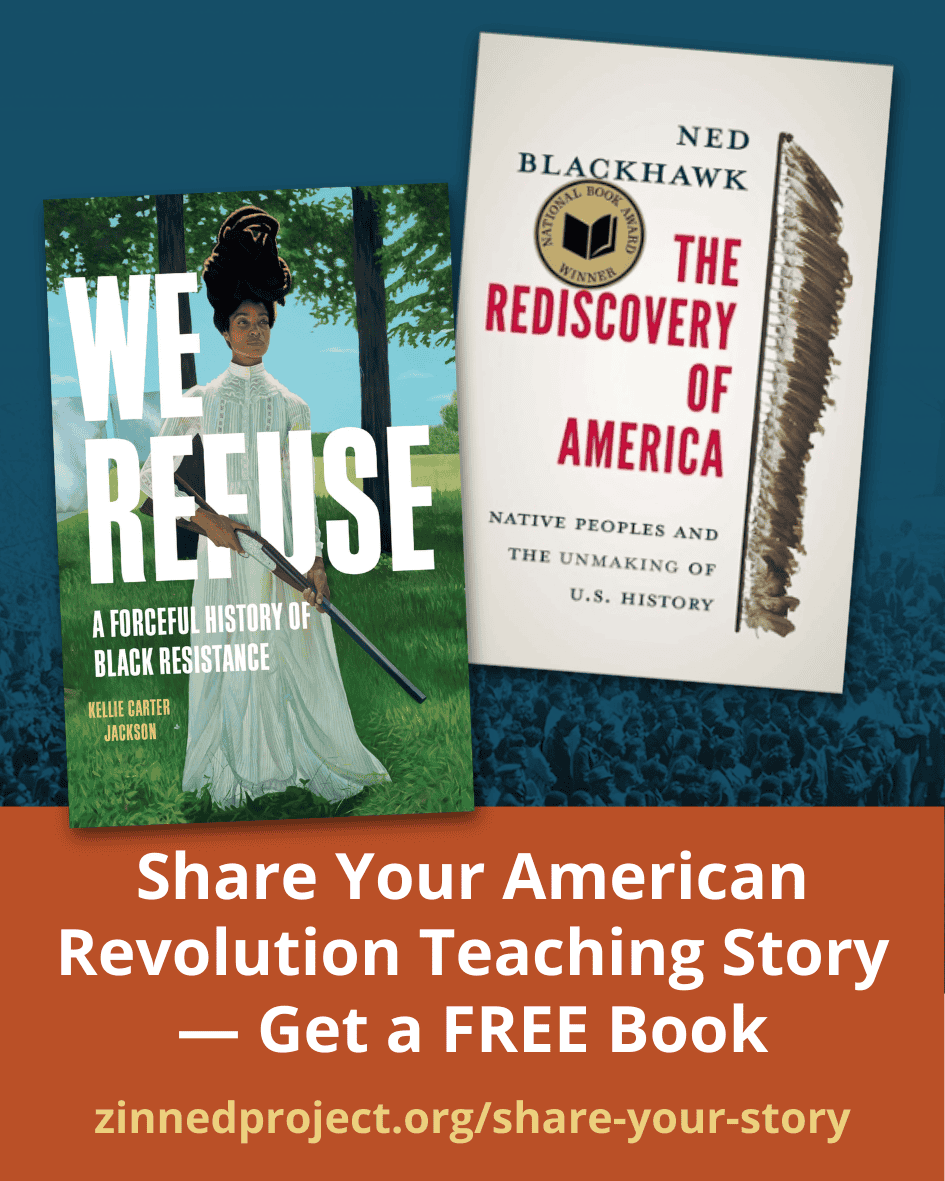
In appreciation for teaching stories about the lessons on the American Revolution, we offer The Rediscovery of America: Native Peoples and The Unmaking of U.S. History by Ned Blackhawk or We Refuse: A Forceful History of Black Resistance by Kellie Carter Jackson.
Continue reading
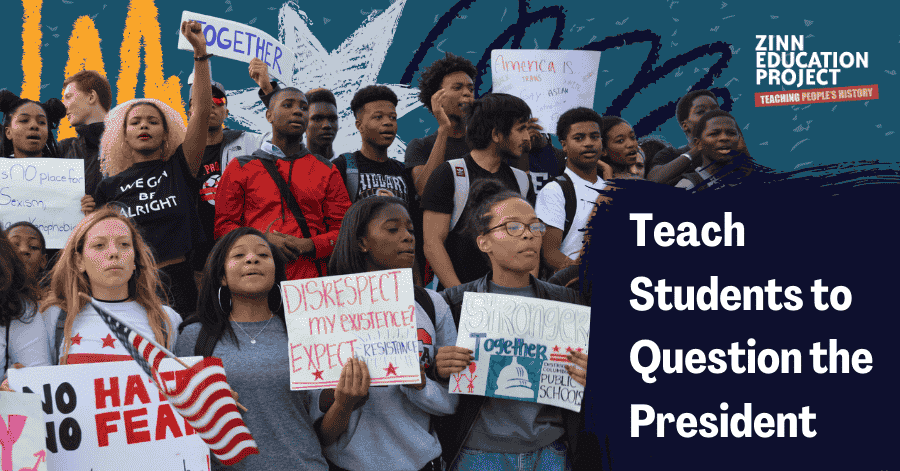
This Presidents Day, rather than mythologize past presidents as kinder and gentler than Trump, let's remind students that this country has been at its best when people have organized to question and challenge presidents — opposing presidential support for slavery, war, invasion, segregation, and injustice of all kinds.
Continue reading
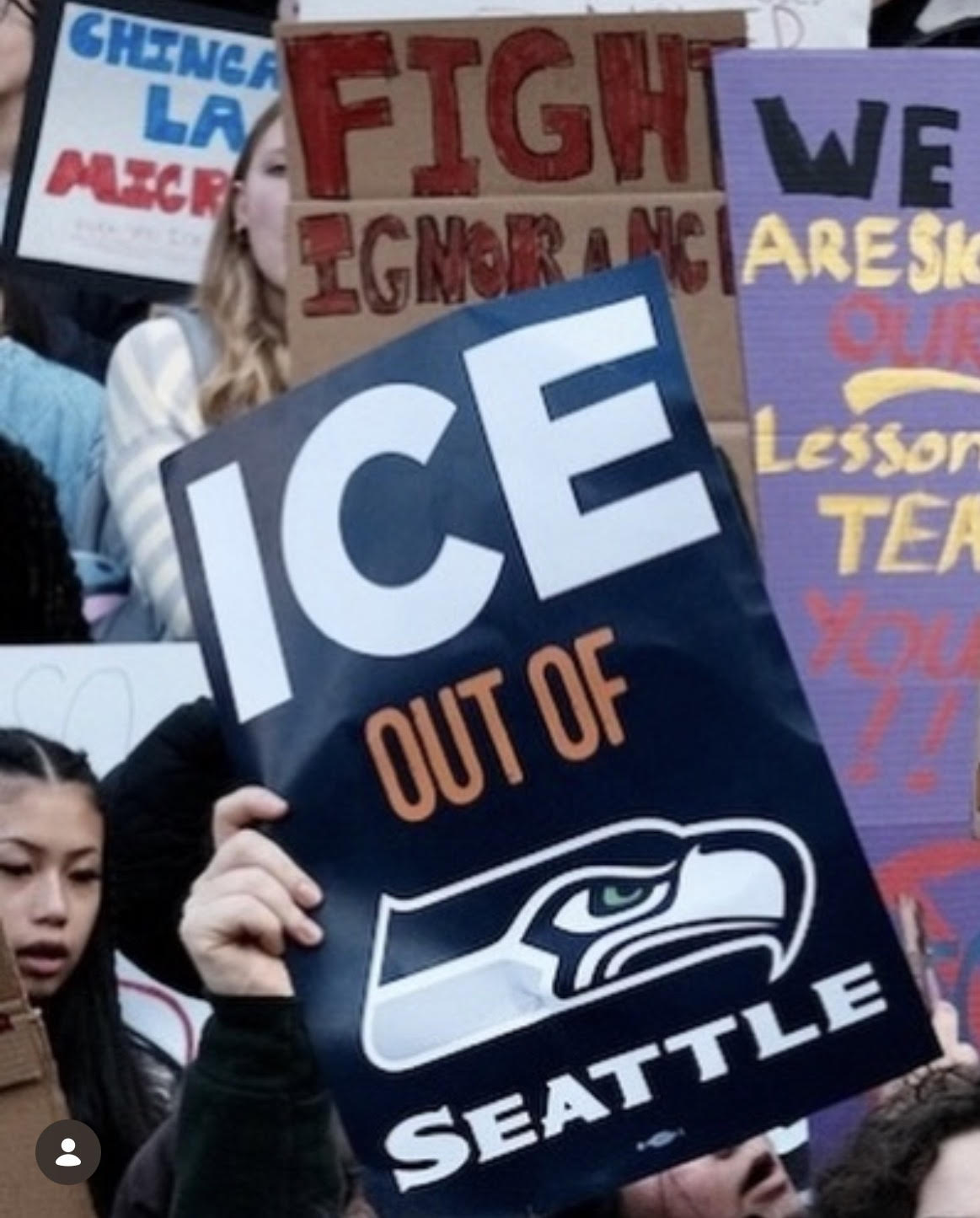
While the Seattle Seahawks just won the Superbowl, they have also been champions for educators.
Continue reading
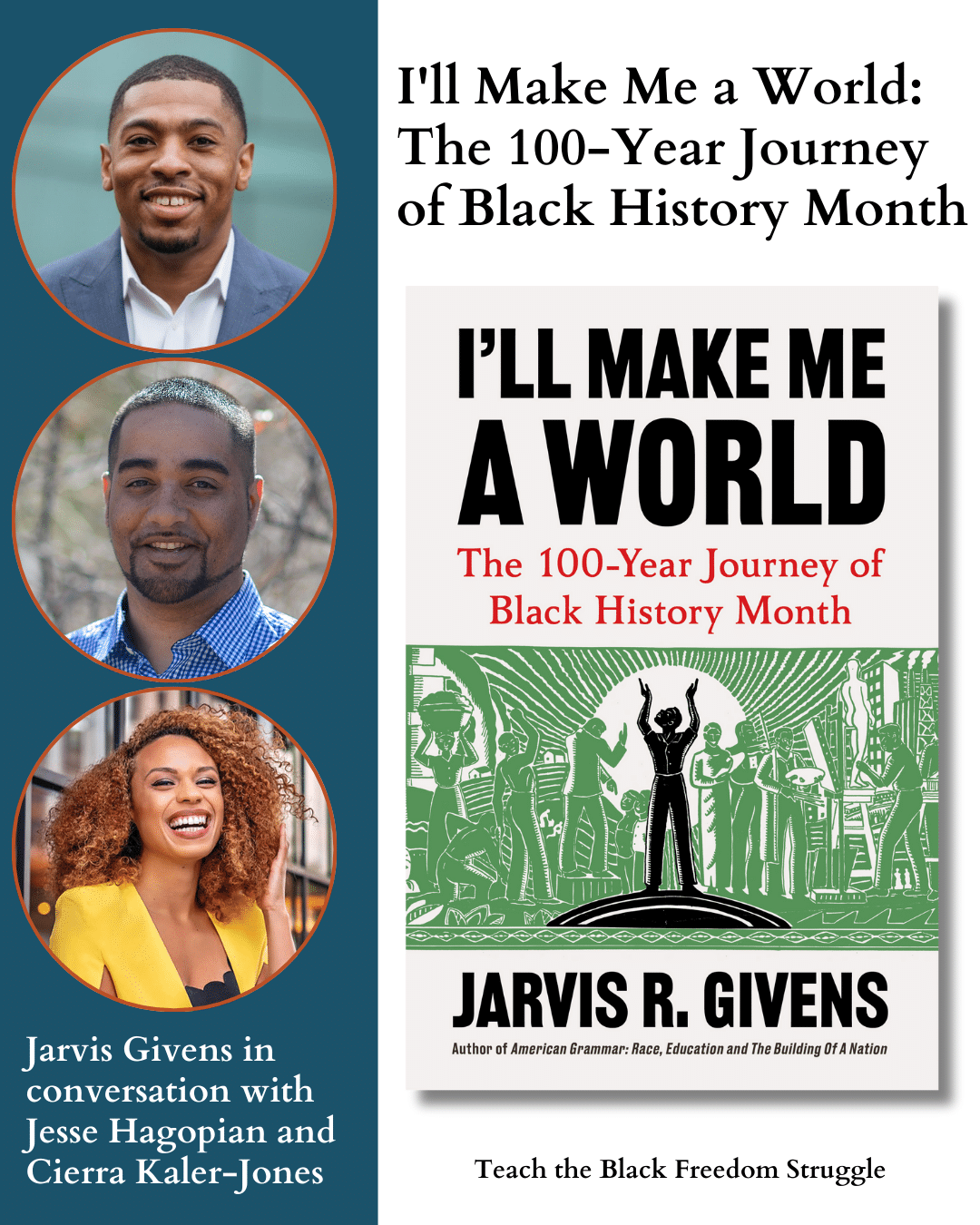
Historian Jarvis Givens joined Rethinking Schools executive director Cierra Kaler-Jones and editor Jesse Hagopian to discuss his latest book, I’ll Make Me a World: The 100-Year Journey of Black History Month. This class was part of the Zinn Education Project’s Teach the Black Freedom Struggle online people’s history series.
Continue reading
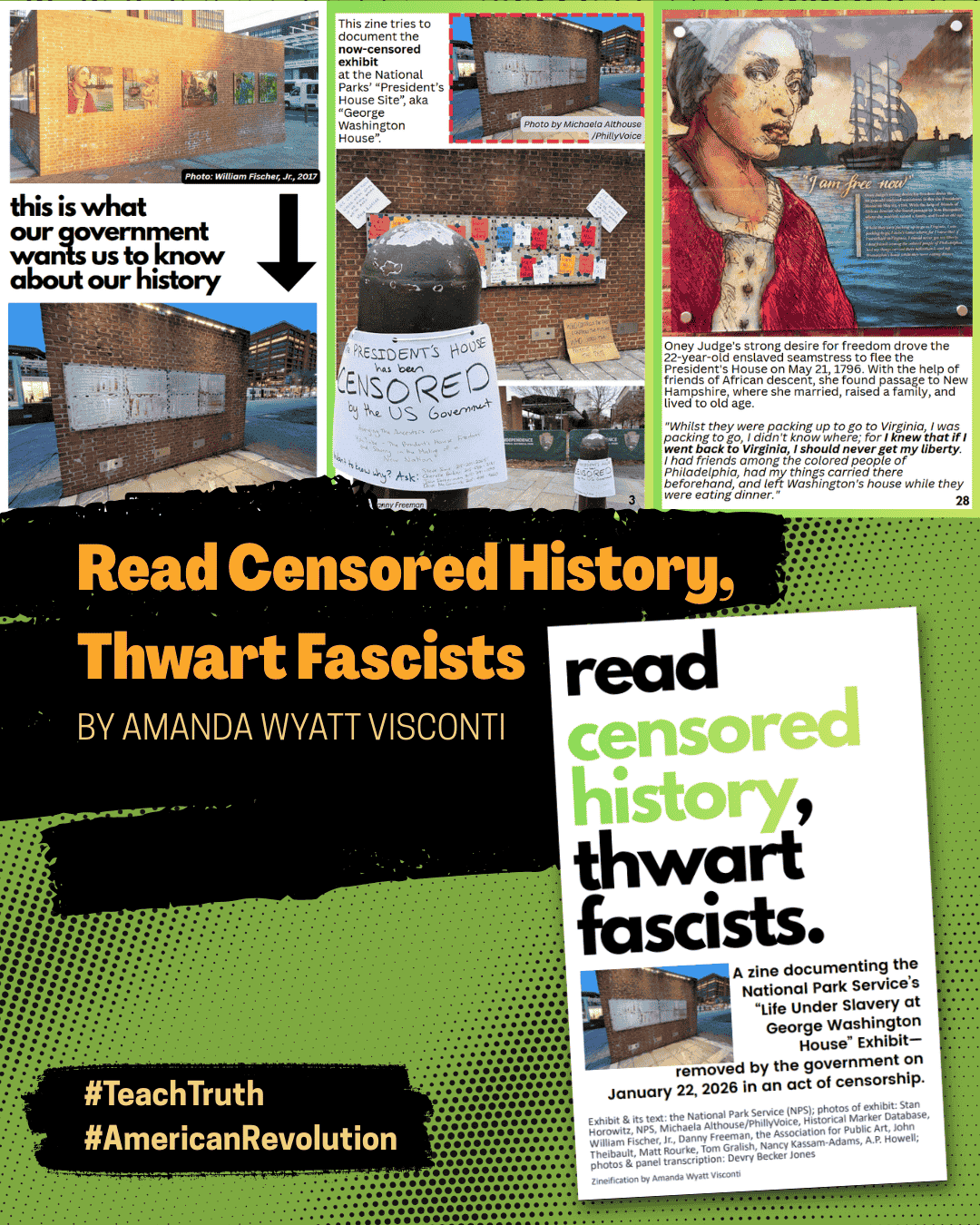
The federal government tore down a memorial to people enslaved by George Washington at his Philadelphia residence, in the shadow of Independence Hall.
Continue reading
To prepare for media interviews and anyone else with questions about the teaching truthfully about the American Revolution, we offer a list of FAQs and suggested responses.
Continue reading
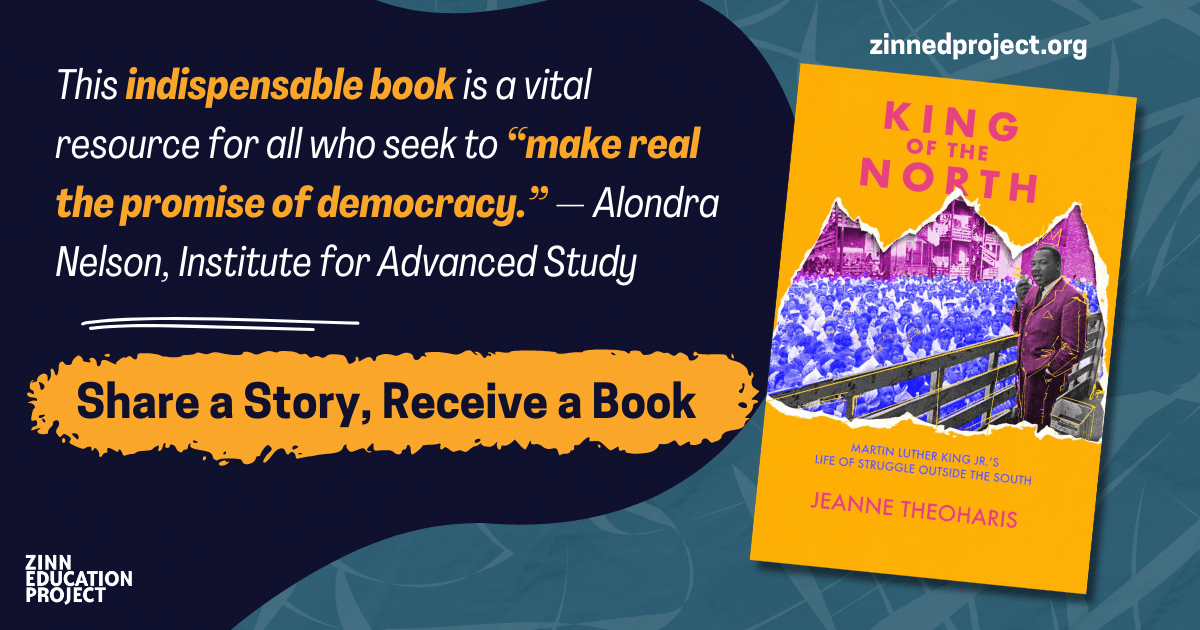
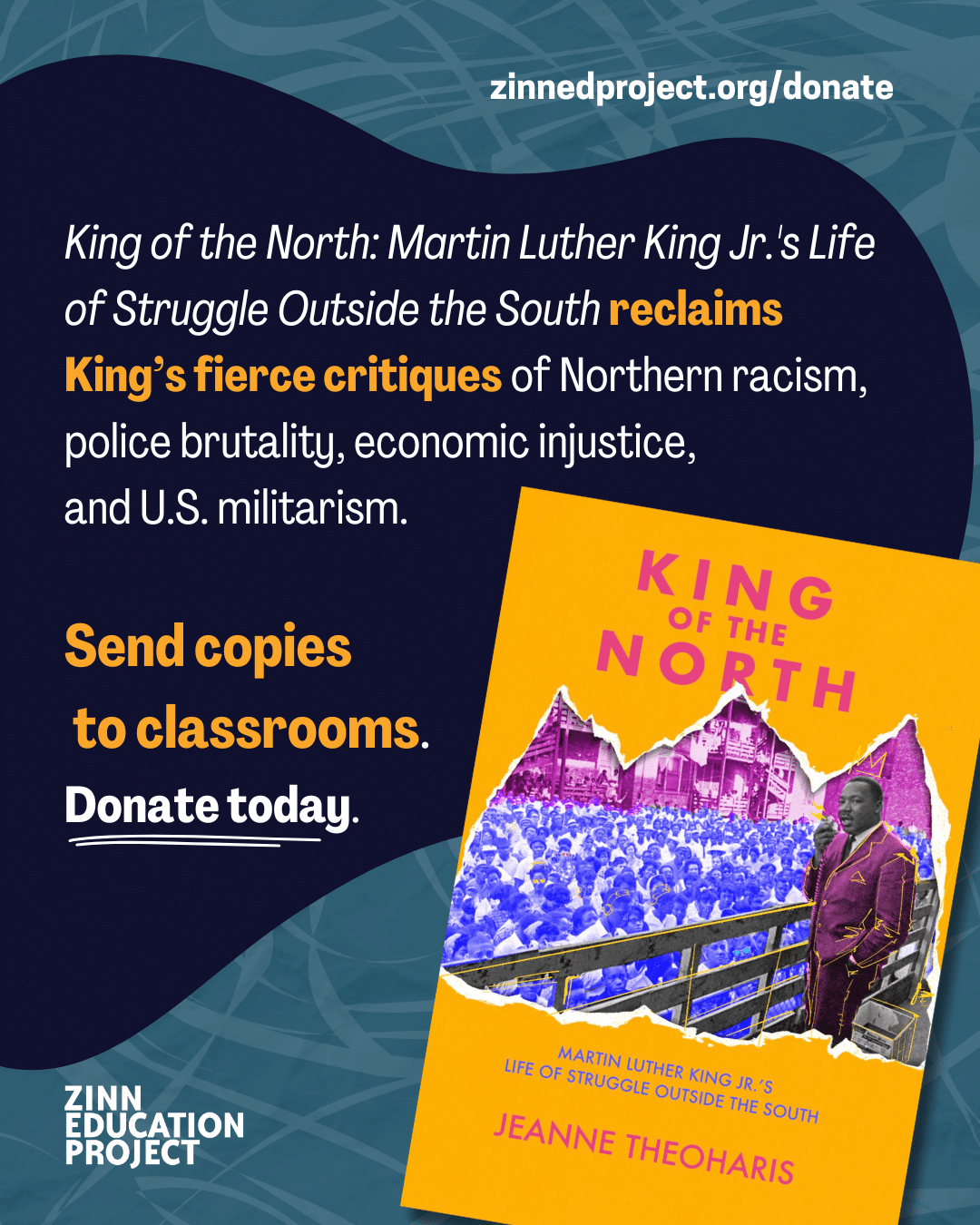
Thanks to generous donors, we can offer hardback copies of King of the North: Martin Luther King’s Freedom Struggle Outside of the South to teachers in exchange for stories about using any of our lessons about Martin Luther King and the Civil Rights Movement in the North.
Continue reading
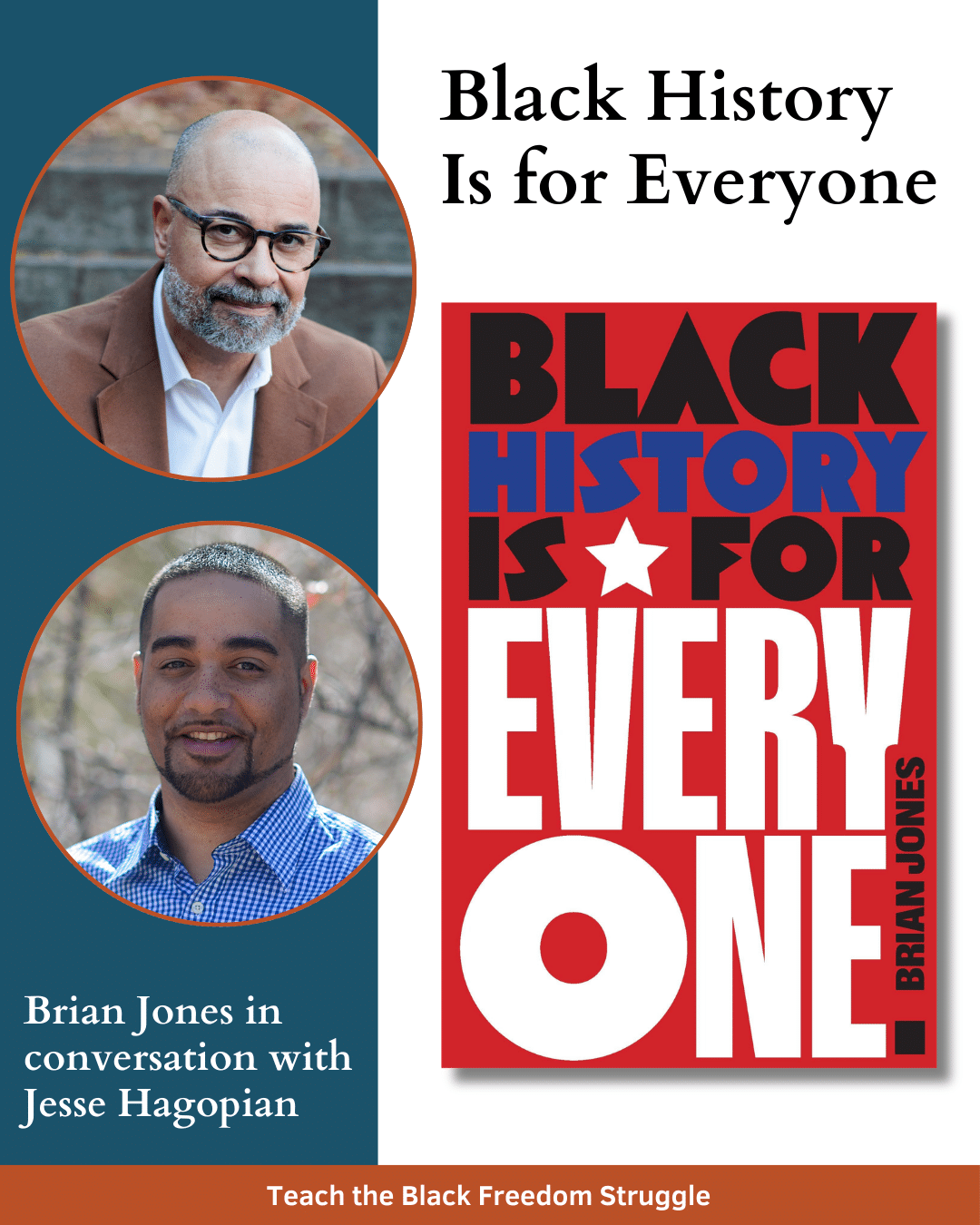
Educator Brian Jones spoke about his latest book Black History Is for Everyone, a look at how the study of Black history challenges our understanding of race, nation, and the stories we tell about who we are. This class was part of the Zinn Education Project’s Teach the Black Freedom Struggle online people’s history series.
Continue reading
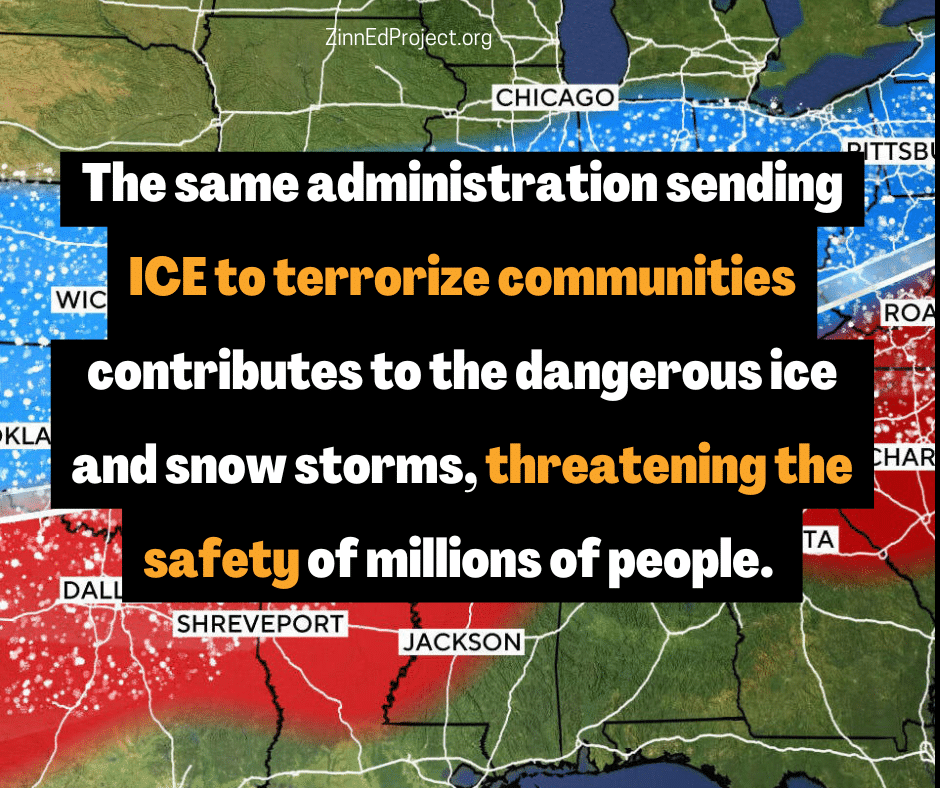
The same administration sending ICE to terrorize communities contributes to the dangerous ice and snow storms, threatening the safety of millions this weekend. Fossil fuel extraction helps turn annual snow (and heat, fires, and rain storms) into extreme weather.
Continue reading
“Outside agitators” is a trope used throughout history in response to slave resistance, Reconstruction, the labor movement, the anti-apartheid movement, the Civil Rights Movement, and more to dismiss and repress the legitimate agency, intellect, and concerns of local people.
Continue reading
Resources about Dr. Martin Luther King Jr., beyond the traditional narrative.
Continue reading
King of the North by Jeanne Theoharis fundamentally reshapes how we understand Martin Luther King Jr.’s politics and partnerships. Help us send this book to schools.
Continue reading
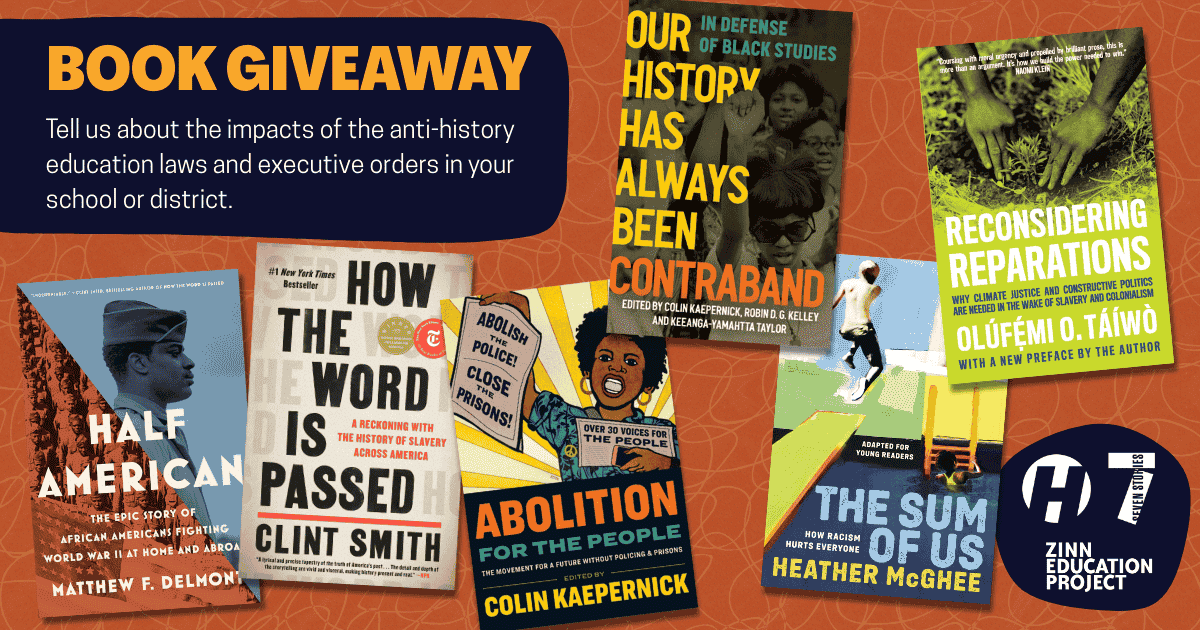
For the 5th annual Teach Truth Day of Action, Seven Stories Press, Haymarket Books, and One Signal Publishers donated books that address the censorship of people's history.
Continue reading
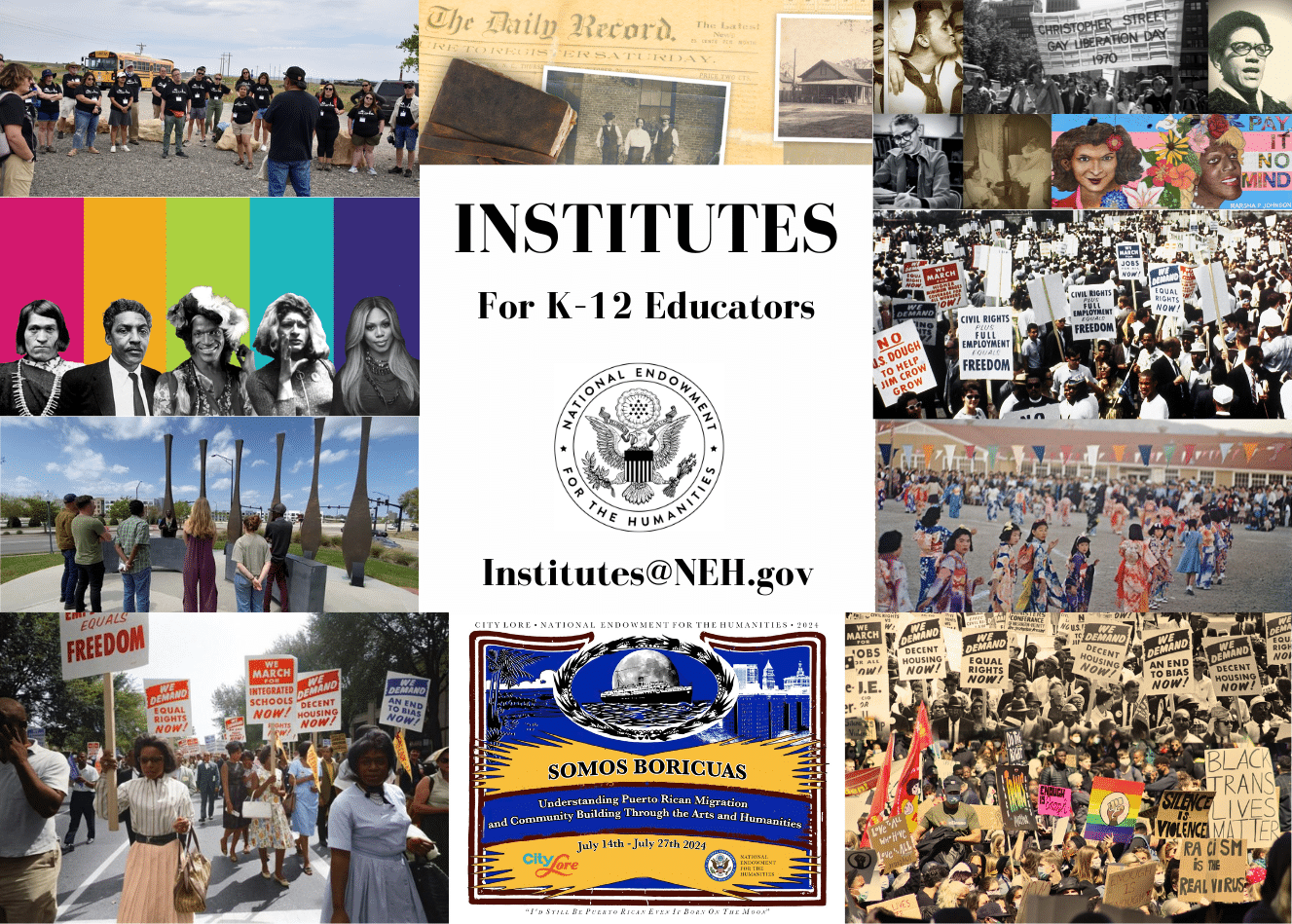
Tuition-free opportunities for K–12 educators to study a variety of humanities topics.
Continue reading
After five years of coordinating national Teach Truth Days of Action, the Zinn Education Project is helping usher the movement into a new phase — deepening its reach by embedding the fight for honest education in year-round social justice organizing rather than leading a single day of action ourselves, and bringing the demand for the #FreedomtoLearn to the growing number of coalition-led protests. We are also focusing on the American Revolution 250 in 2026.
Continue reading
Michael Charney (March 31, 1950 – January 2, 2026) was a passionate educator, political strategist, and labor organizer, committed to ensuring students and the broader community learn the truth about U.S. history and have a voice in their own education. Here is a brief introduction to Charney's life and philosophy.
Continue reading
Educators are teaching in perilous times. We face a white supremacist backlash — funded by billionaires — against the 2020 uprising for Black lives, when tens of millions built a multiracial movement against systemic racism.
Continue reading